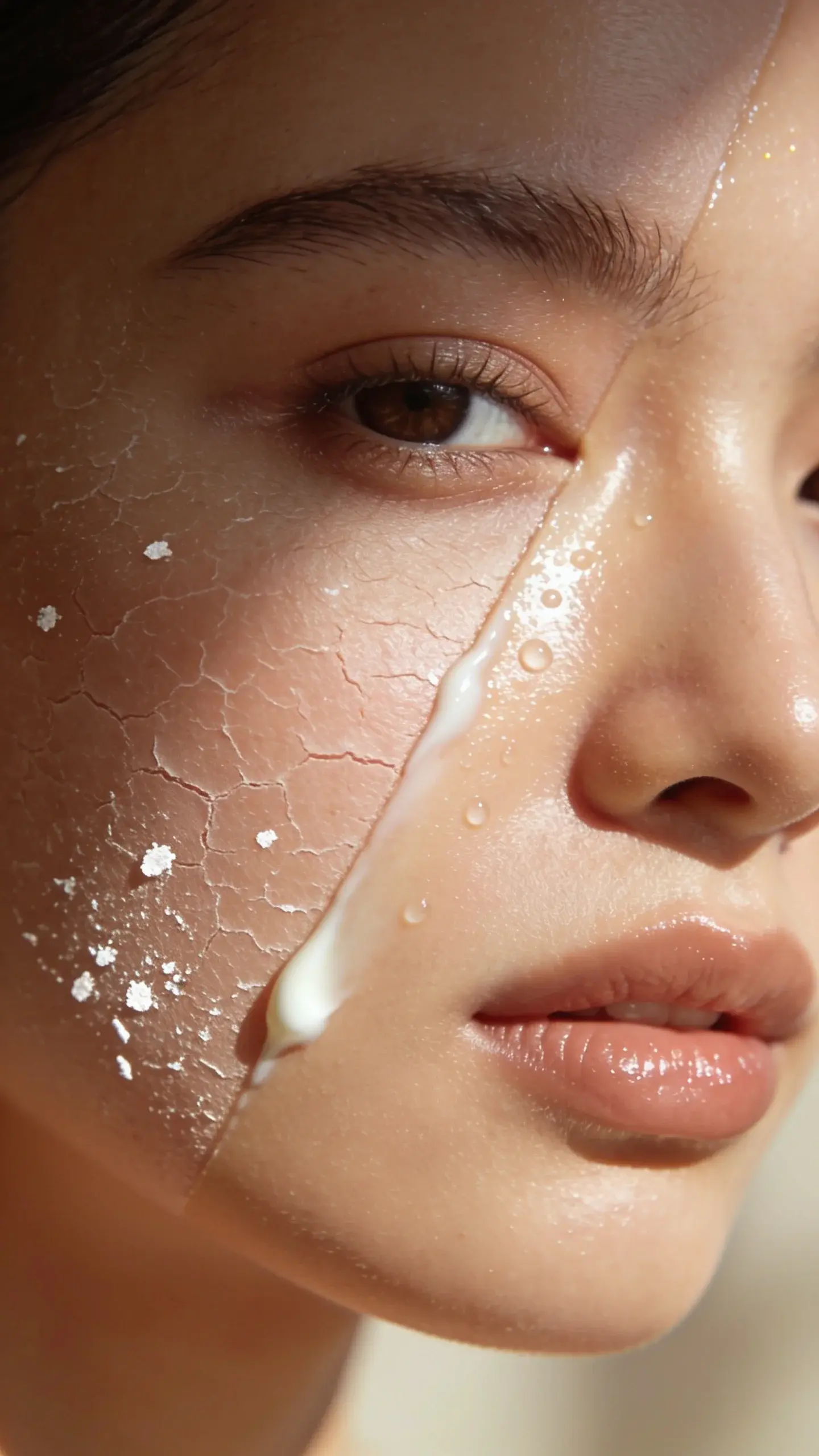
Dry skin that drinks moisturizer like a latte? You’re not imagining it. The right formula can turn tight, flaky, makeup-eating skin into smooth, bouncy, “I-slept-eight-hours” skin. I asked what dermatologists consistently recommend, then road-tested the winners. Let’s skip the hype and get you the good stuff—fast.
Why Dry Skin Needs More Than “Just Hydration”
Dry skin isn’t just thirst—it’s a broken moisture barrier waving a tiny white flag. When that barrier leaks, water evaporates and irritants sneak in. So you need a moisturizer that does three jobs:
- Humectants pull water into the skin (hello, glycerin and hyaluronic acid).
- Emollients smooth rough texture (think squalane, cholesterol, fatty alcohols).
- Occlusives lock everything in (petrolatum, shea butter, dimethicone).
Blend them right and your skin stops feeling like parchment. Simple math, happy face.
Dermatologist-Favorite Ingredients (And Why They Matter)
1) Hyaluronic Acid & Glycerin: Your Moisture Magnets
These grab water like they’re hoarding it for winter. You want multi-weight hyaluronic acid or just plain trusty glycerin. Both plump without greasiness.
2) Ceramides: The Brick-And-Mortar MVP
Dry skin often lacks ceramides—the fats that seal your barrier. Look for ceramides 1, 3, and 6-II and cholesterol in the same formula. This combo rebuilds the wall, not just decorates it.
3) Squalane & Fatty Acids: Lightweight Nourishers
Squalane is like training wheels for your barrier—super compatible with skin, never heavy. Fatty acids (linoleic acid especially) calm and soften.
4) Occlusives: The Overnight Insurance Policy
A whisper of petrolatum or dimethicone prevents overnight water loss. No, petrolatum doesn’t clog pores when formulated well. Dermatologists keep recommending it for a reason.
5) Extras Derms Actually Like
– Niacinamide to reduce redness and improve barrier function
– Colloidal oatmeal to soothe itchy, angry dryness
– Panthenol for calming hydration
– Urea (2–10%) to gently exfoliate flakes while hydrating
Top Moisturizer Types For Dry Skin (Pick Your Texture)
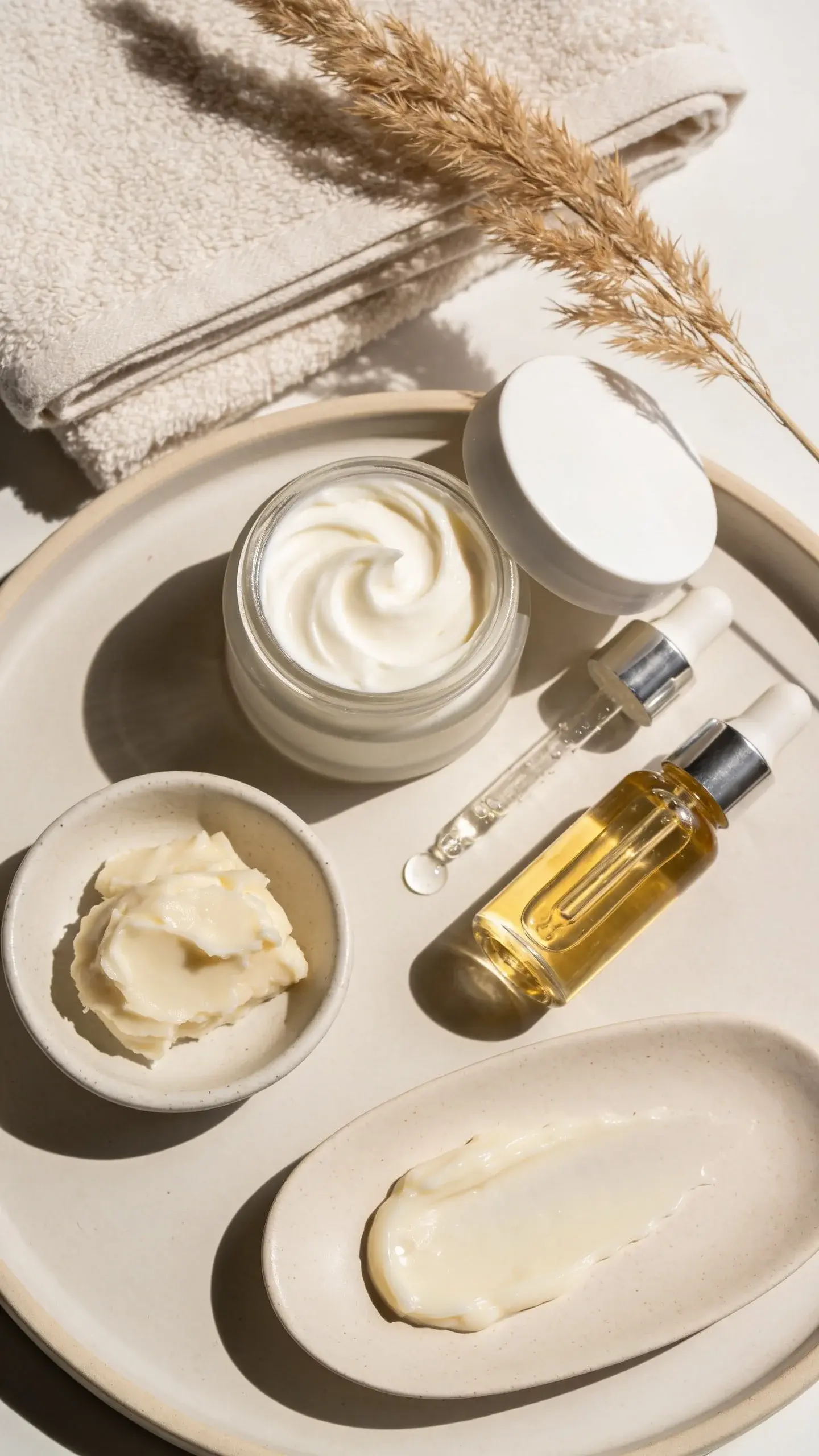
Light Creams: Daily, Under Makeup
– Texture: lotion-to-cream
– Best for: all-day wear, layering with sunscreen
– Look for: glycerin, hyaluronic acid, ceramides, niacinamide
– Why: They hydrate without pilling or greasing up your T-zone
Rich Creams: Nighttime Nourish
– Texture: buttery but not sticky
– Best for: flaky patches, winter, retinoid users
– Look for: ceramides + cholesterol, shea butter, squalane
– Why: Deeper comfort and visible smoothing by morning
Balm/Ointment: SOS Mode
– Texture: dense, occlusive
– Best for: chapped areas, windburn, post-peel recovery
– Look for: petrolatum, panthenol, colloidal oatmeal
– Why: Seals moisture when your skin screams “uncle!”
Derm-Approved Shortlist (What Pros Recommend Over And Over)
FYI: I’m not sponsored, just sharing repeated derm faves and IMO reliable picks.
- CeraVe Moisturizing Cream – Ceramides 1/3/6-II, hyaluronic acid, cholesterol. Affordable, barrier-forward, and plays nice under sunscreen.
- La Roche-Posay Toleriane Double Repair Face Moisturizer – Niacinamide + ceramides + prebiotic water. Lightweight but surprisingly quenching.
- Vanicream Moisturizing Cream – Minimalist, fragrance-free, great for sensitive and eczema-prone skin. No nonsense, all comfort.
- First Aid Beauty Ultra Repair Cream – Colloidal oatmeal + shea + ceramides. Calms redness fast; terrific for winter or irritation.
- Vaseline/Hydrocolloid Balms (as a finisher) – For slugging or spot occlusion. Use strategically, not all over if you’re breakout-prone.
- Biossance Squalane + Omega Repair Cream – Squalane-rich, plush texture, great for dull, tight skin without feeling waxy.
How To Build A Dry-Skin Routine That Actually Works
Morning
- Gentle Cleanser (or skip if not sweaty/oily) – Avoid foamy sulfates that strip.
- Hydrating Serum – Glycerin or HA on slightly damp skin. Optional but lovely.
- Moisturizer – Light cream that layers well.
- Sunscreen – Always. Try hydrating SPF 30+ with filters your skin tolerates.
Night
- Creamy Cleanser – Take it easy; your barrier will thank you.
- Treatment (Optional) – If using retinoids, buffer with moisturizer first if sensitive.
- Rich Cream – Lock in hydration.
- Spot Occlusion – Dab petrolatum on the driest areas. No need to grease your entire face.
Weekly Boosters
– Hydrating mask once or twice weekly
– Gentle lactic acid (5–10%) once a week if you’re flaky—keeps moisturizer from sitting on dead skin
– Humidifier at night if your home feels like the Sahara
Common Mistakes That Keep Skin Dry
- Over-cleansing – Twice a day with a harsh wash = barrier sabotage.
- Relying only on hyaluronic acid – It pulls in water, but without a cream on top, it can evaporate away. Sad.
- Skipping SPF – UV wrecks your barrier and collagen. Then you blame your moisturizer. Rude.
- Hot water showers – Toasty, yes. Moisturizing? Absolutely not.
- Fragrance overload – Lovely smell, cranky skin. Choose fragrance-free when severely dry or sensitized.
Ingredient Combos Derms Love (And Ones They Don’t)
Power Couples
– Ceramides + Cholesterol + Fatty Acids – Rebuilds the barrier like a dream team
– Niacinamide + Panthenol – Soothes, reduces redness, supports barrier
– Urea (2–10%) + Glycerin – Exfoliates gently while hydrating
Proceed With Caution
– Strong Retinoids + Strong Acids + Dry Skin – Pick one hero at a time. Your face is not a chemistry set.
– Essential Oils + Compromised Barrier – Can irritate quickly. Patch test or skip.
FAQs
What’s the difference between dry and dehydrated skin?
Dry skin lacks oil; dehydrated skin lacks water. You can have both (fun!). Use emollients/occlusives for dryness and humectants for dehydration. Most great moisturizers cover both bases.
Is petrolatum safe for the face?
Yes. Dermatologists recommend it constantly for repairing the barrier. It’s non-comedogenic, but if you’re acne-prone, use it as a spot sealer instead of slathering your whole face, IMO.
Can I use the same moisturizer morning and night?
Totally. If you prefer one jar life, choose a mid-weight cream with ceramides and layer thicker at night. If you love textures (same), go lighter by day and richer at bedtime.
Do I need a separate eye cream for dryness?
Not required. A gentle, fragrance-free face moisturizer works around eyes for most people. If crepeiness or eczema pops up, look for ceramides, squalane, or colloidal oatmeal in a dedicated eye formula.
Why does my moisturizer pill under sunscreen or makeup?
You may use too much product, not letting layers set, or mixing silicone-heavy formulas that don’t play nicely. Apply thin layers, wait 60–90 seconds between steps, and keep your finish consistent (all-water gel with silicone-heavy primer = chaos).
How long until I see results?
You’ll feel relief immediately, but barrier improvements take 1–2 weeks. With consistent use, flakes and tightness fade, and your glow makes a comeback. Stick with it, FYI.
The Takeaway
If your face feels like a dry sponge, go for a moisturizer that stacks humectants, emollients, and occlusives—plus barrier builders like ceramides and cholesterol. Start simple: gentle cleanse, solid cream, daily sunscreen, and a richer layer at night. Add spot occlusion and a weekly lactic acid or hydrating mask if you need extra help. Keep it consistent, and your skin will go from “sandpaper chic” to soft, calm, and glowy—no 12-step routine needed.