Your face feels tight, stingy, and somehow flaky and oily at the same time? Same. Dry sensitive skin loves to act dramatic, but you can calm the chaos with the right lineup. Let’s skip the guesswork and call out the troublemakers, spotlight the heroes, and build a routine that doesn’t make your skin file a complaint. Ready to ditch the burn and keep the glow?
How To Know If You’ve Got Dry Sensitive Skin
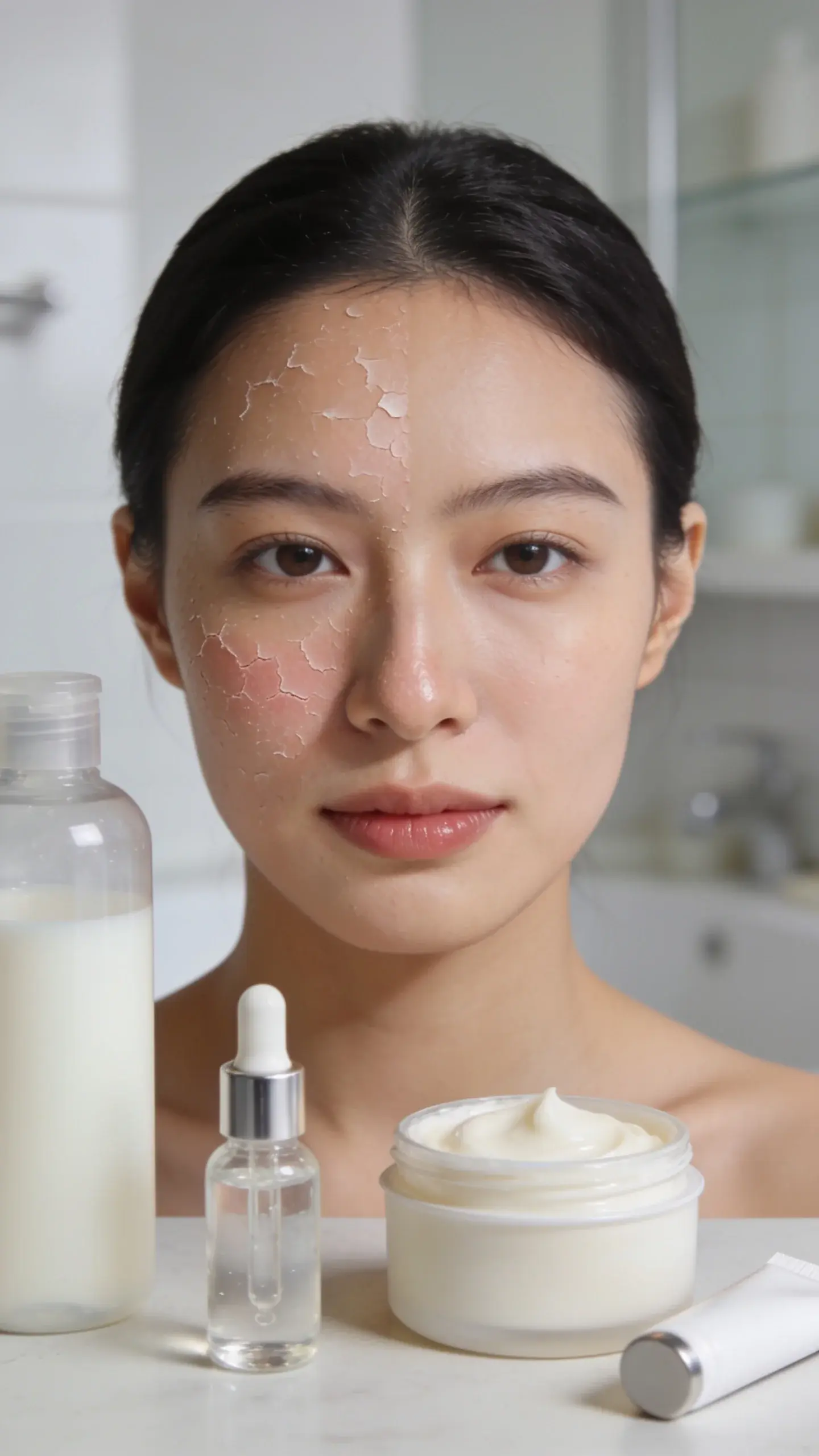
You don’t need a lab coat. If your skin feels tight after cleansing, flakes around the nose or cheeks, stings with random products, and turns red faster than you can say “retinol,” you’re in the club. Dry means your barrier lacks oil and water. Sensitive means your barrier freaks out easily. Together? High maintenance, but manageable.
Top Ingredients To Avoid (Or Use Carefully)
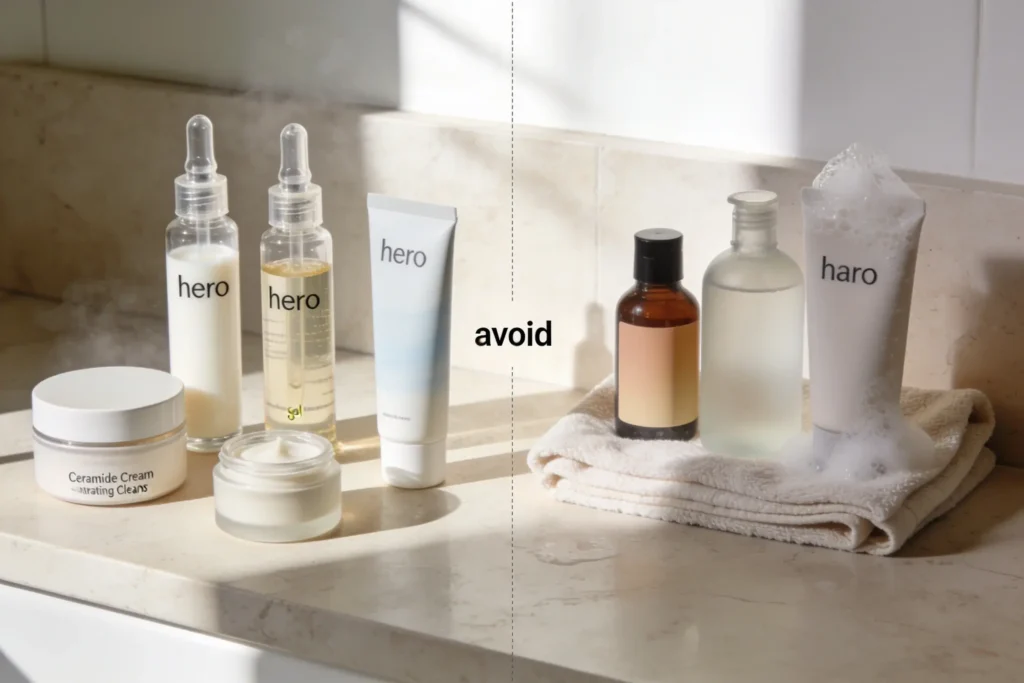
Not all “bad” ingredients are evil. Some just need caution, lower concentrations, or smarter formulas. But if your face protests often, start here:
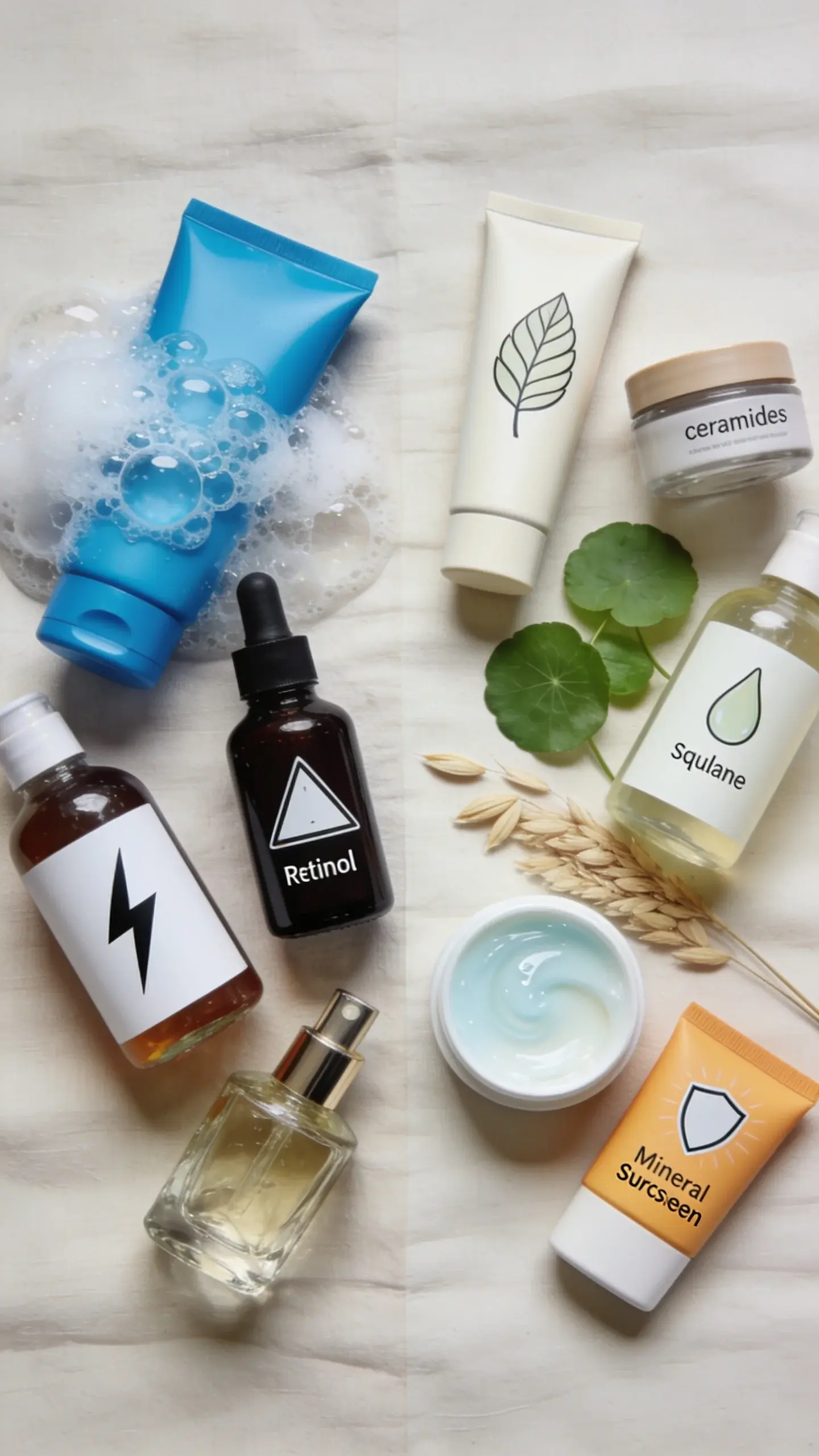
- Harsh Sulfates (e.g., Sodium Lauryl Sulfate): Strip your barrier like dish soap. Your skin needs a gentle clean, not a squeaky one.
- High-Dose Alcohols (SD Alcohol, Denatured Alcohol high on the list): Great for quick-dry formulas, awful for dryness and sting.
- Strong Fragrance & Essential Oils (Limonene, Linalool, Citral, Eucalyptus, Peppermint): Cute scent, instant flare-up. Fragrance-free or low-fragrance wins. FYI: “Unscented” can still include masking fragrance.
- High-Concentration Acids (AHA/BHA peels, frequent 10%+ glycolic): Over-exfoliation = flakes, redness, and more sensitivity. If you must, pick lactic acid at low strength and go slow.
- Retinoids Without Buffering: Retinol can help long-term, but start micro-dosed and sandwiched with moisturizer. No cowboy moves.
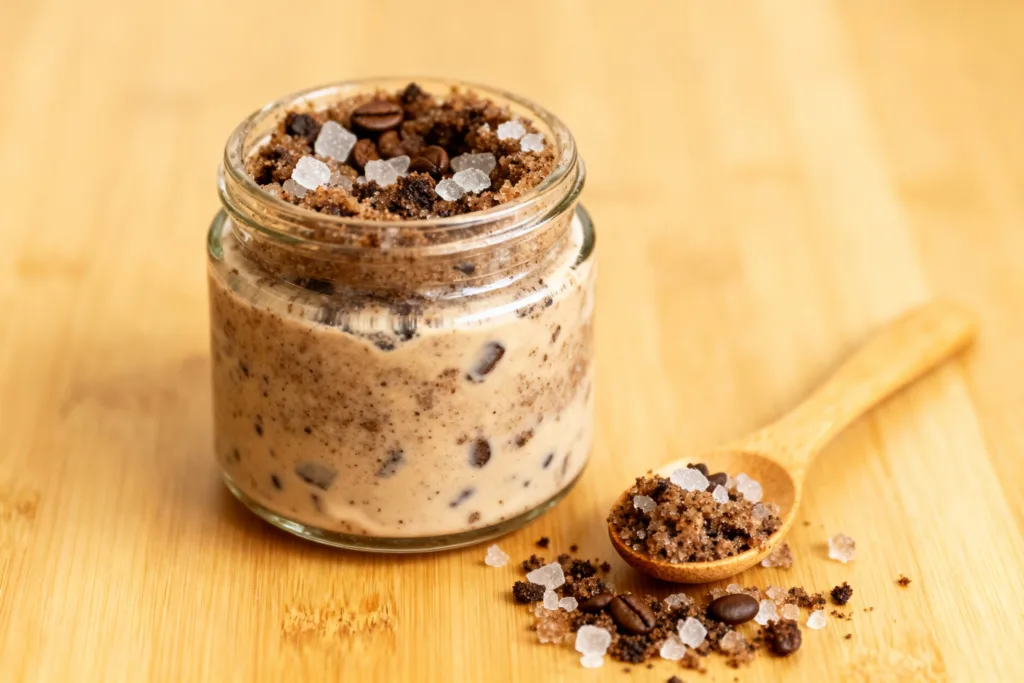
- Physical Scrubs (nut shells, salt, sugar): Think micro-tears and instant regret. Your barrier says “hard pass.”
- Strong Benzoyl Peroxide (5–10%): Mega-drying. If needed, use 2.5% as a spot treatment and moisturize like it’s your job.
Watch The Label For Sneaky Irritants
- High fragrance concentrations listed as “parfum” in the top half of ingredients.
- Minty “tingle” agents (menthol, camphor) — that tingle is irritation saying hello.
- Multiple exfoliants stacked in one routine — your skin does not need the Avengers of acids nightly.
Barrier-Loving Ingredients Your Skin Will Actually Like
Now the fun part: the comfort-food ingredients for your face. These soothe, hydrate, and patch up a cranky barrier.
- Ceramides: The bricks-and-mortar for your barrier. Look for NP, AP, EOP, plus cholesterol and fatty acids.
- Hyaluronic Acid & Polyglutamic Acid: Humectants that pull in water. Apply on damp skin and seal with a cream.
- Glycerin: The underrated hydration workhorse. Often better tolerated than trendy humectants.
- Urea (2–5%): Hydrates and gently smooths flakes. Low concentrations = chef’s kiss for dryness.
- Squalane: Lightweight oil mimic that softens without clogging most pores. Great final step.
- Niacinamide (2–5%): Calms redness, strengthens barrier. Keep it mid-strength to avoid tingle.
- Panthenol (Vitamin B5): Soothing, helps lock in moisture. Barrier support MVP.
- Colloidal Oat & Beta-Glucan: Redness relief with a cuddle. Gentle and reliable.
- Allantoin & Madecassoside: Comforting agents that tell angry skin to chill.
- Mineral Sunscreens (Zinc Oxide, Titanium Dioxide): Often better tolerated than chemical filters for sensitive types.
Ingredient Combos That Play Nicely
- Ceramides + Cholesterol + Fatty Acids: Rebuilds the barrier like a renovation trio.
- Hyaluronic Acid + Squalane: Water in, water sealed. Hydration sandwich.
- Niacinamide + Panthenol: Soothes while strengthening — your daily driver duo.
Your No-Drama Routine (AM/PM)
Let’s keep it simple and effective. Consistency beats chaos, IMO.
AM
- Gentle Cleanse: Cream or milk cleanser, no foam party.
- Hydrating Serum: Glycerin/HA, maybe niacinamide at 2–5%.
- Moisturizer: Ceramides + cholesterol + fatty acids. Medium-rich texture.
- Sunscreen: Mineral SPF 30–50. If dry, use a moisturizing formula.
PM
- Cleanse: Same gentle cleanser. If you don’t wear makeup, splash with lukewarm water every other night to minimize stripping.
- Treatment (Optional): Low-dose lactic acid 1–5% once or twice weekly OR micro-retinol 0.1–0.3% twice weekly.
- Buffering: If using actives, sandwich with moisturizer before and after to reduce irritation.
- Seal: Squalane or a thin occlusive layer (petrolatum on hotspots) to lock moisture overnight.
Exfoliation: Yes, But Don’t Go Wild
Dry sensitive skin still builds up dead cells, but scrubbing harder won’t fix it. Keep it chill:
- Frequency: 1–2 times per week max.
- Type: Low-strength lactic acid or PHA (gluconolactone) — gentler than glycolic.
- Buffer: Apply over moisturizer if you sting easily.
- Skip if you’re flaring, peeling, or using a retinoid that week.
Reading Labels Without Crying
No need to memorize a chem textbook. Try this quick scan:
- Top 5 Ingredients: Look for water, glycerin, squalane, triglycerides, shea butter, or similar. Good signs.
- Avoid fragrance high on the list; essential oils sprinkled throughout.
- Actives: If niacinamide sits at 10% in a “for sensitive skin” product, maybe not your best friend. Lower is safer.
- pH: Cleansers near skin’s pH (~5.5) feel nicer. Brands sometimes list this — worth noting.
Patch-Test Like A Pro
- Apply a pea-sized amount behind the ear or on the jawline for 3 nights.
- No sting/redness? Proceed to full face 2–3 times a week, then increase slowly.
- Instant burn = rinse, moisturize, and bench that product.
Extra Tips That Make A Big Difference
- Temperature Matters: Use lukewarm water. Hot water = instant dryness.
- Air Quality: Run a humidifier at night if indoor air is dry. Your skin drinks that up.
- Less Is More: Fewer products, fewer reactions. Your barrier will thank you.
- Seasonal Switch: Heavier creams in winter, lighter in summer — adjust, don’t suffer.
- Makeup Strategy: Choose creamy textures and skip drying setting sprays. Prep with a hydrating primer.
FAQs
Can I use retinol if I have dry sensitive skin?
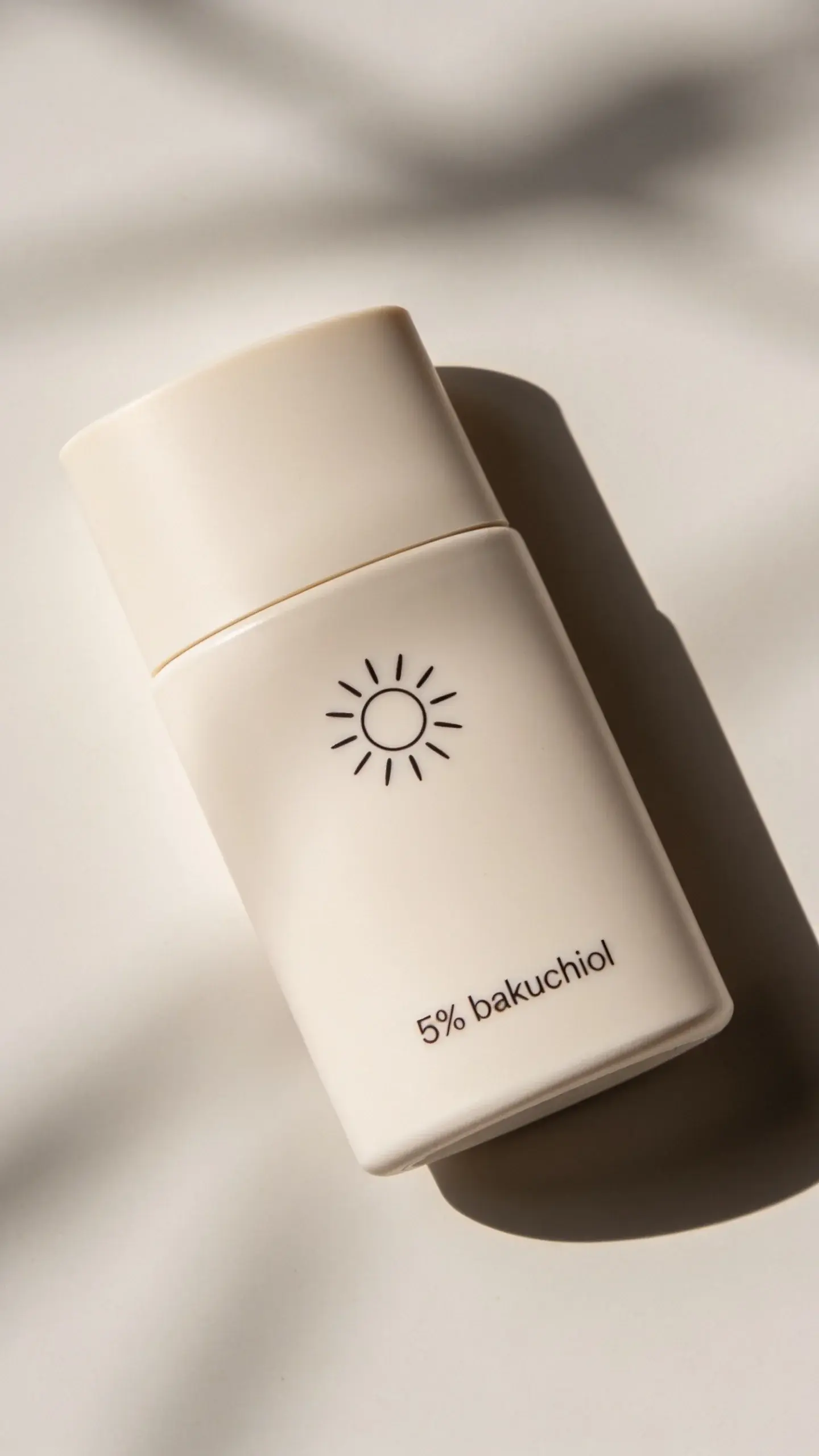
Yes, but think micro-doses and patience. Start with 0.1–0.3% once or twice weekly, buffer with moisturizer, and avoid mixing with strong acids on the same night. If you still peel or sting, drop the frequency or switch to retinaldehyde or bakuchiol as gentler alternatives.
Is fragrance-free always better?
Usually, yes for sensitive types. Fragrance-free reduces a major irritation trigger, but formulas still matter. A well-formulated low-fragrance product can beat a poorly made “fragrance-free” one, FYI.
Do I need both hyaluronic acid and glycerin?
You don’t need both, but the combo works great. Glycerin binds water like a champ and plays nicely in most climates. Hyaluronic adds bounce but can feel tight in super-dry air unless you seal it with a moisturizer.
How do I fix a damaged moisture barrier fast?
Strip your routine to basics for 1–2 weeks: gentle cleanser, bland moisturizer (ceramides + cholesterol + fatty acids), and mineral SPF. No exfoliants, no retinoids. Add panthenol or colloidal oat for soothing, and consider a petrolatum layer on hotspots at night.
What sunscreen filters should I pick?
Mineral filters (zinc oxide, titanium dioxide) often behave best on sensitive skin. If you prefer chemical filters, look for newer, gentler ones and avoid alcohol-heavy gels. Layer over moisturizer to reduce sting.
Are natural oils safe for dry sensitive skin?
Some are great; some are chaos. Squalane, meadowfoam, and MCT oil tend to be gentle. Essential oils (peppermint, citrus) can irritate fast — skip those on the face, IMO.
Conclusion
Dry sensitive skin doesn’t need a 12-step saga — it needs smart choices. Dodge the usual irritants, load up on barrier builders, and keep your routine steady. Listen to your skin, tweak seasonally, and don’t chase every trend. Calm, comfy, and glowy? Totally doable.