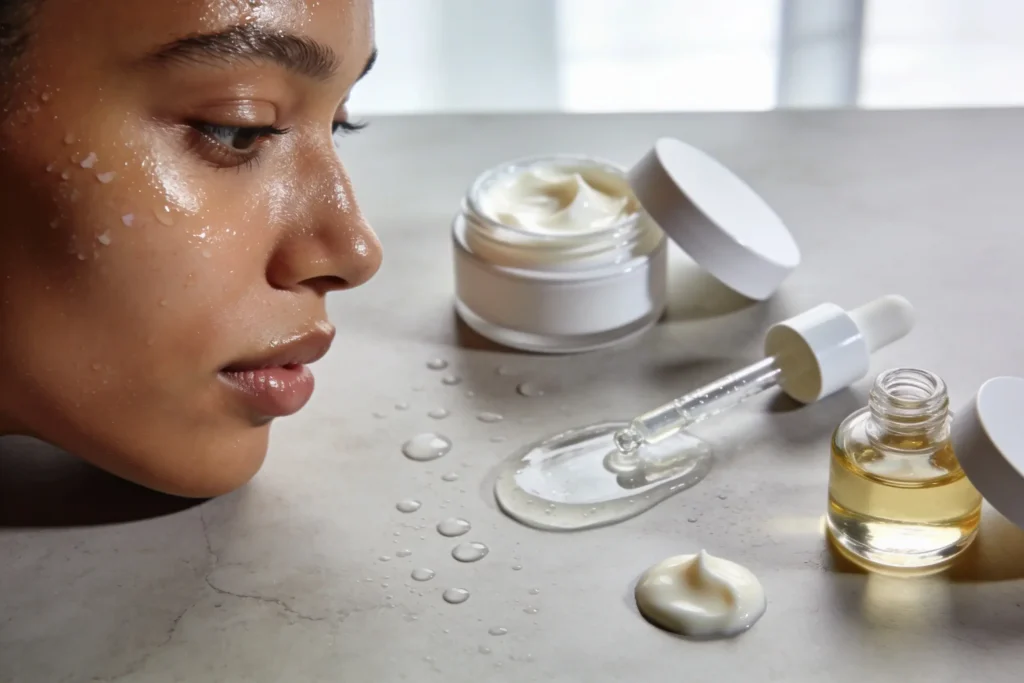
Dry skin that laughs at your skincare? Same. If your face feels tight by noon and looks dull by dinner, your moisturizer isn’t doing its job. Let’s fix that. Here’s exactly what to look for (and what to avoid) before you buy your next jar, tube, or pump of face lotion.
Know Your Dry: Dehydrated vs. Dry-Dry
Not all dryness plays by the same rules. Some faces lack oil (dry skin), while others lack water (dehydrated skin). You can have both—fun, right?
Quick test: If your skin looks dull, feels tight, and fine lines show up after cleansing, you’re probably dehydrated. If your skin rarely gets oily and craves richer creams, you’re dry-dry.
Why It Matters
– Dehydrated skin loves water-binding ingredients like hyaluronic acid and glycerin.
– Dry skin needs oil-rich formulas with ceramides, squalane, and shea butter.
– Combo? Layer a humectant serum under a richer cream. Double win.
The Moisturizer Trifecta: Humectants, Emollients, Occlusives
A great moisturizer hits all three. Think of it like a sandwich—hydration in the middle, softness all around, seal on top.
- Humectants pull water into the skin: glycerin, hyaluronic acid, panthenol, aloe, urea (2–5%).
- Emollients smooth and fill gaps: squalane, triglycerides, fatty alcohols (cetyl/stearyl), cholesterol.
- Occlusives seal it in: petrolatum, shea butter, lanolin, dimethicone.
Pro tip: Petrolatum is the GOAT for sealing moisture. Even 5–10% in a cream makes a big difference without feeling greasy.
Star Ingredients That Actually Do Something
You don’t need every buzzword—just the right ones.
- Ceramides + Cholesterol + Fatty Acids: Rebuild the skin barrier. Look for “ceramide NP/AP/EOP.”
- Urea (2–10%): Hydrates and gently smooths flakiness. Over 10% can feel exfoliating—great for rough patches, not for everyone’s face daily.
- Hyaluronic Acid (multiple weights): Nice, but pair with occlusives so it doesn’t evaporate on you.
- Glycerin: Boring, cheap, wildly effective. If it’s top 3 on the ingredient list, that’s a green flag.
- Squalane: Lightweight oil that mimics skin’s natural lipids. Soft without the slick.
- Niacinamide (2–5%): Strengthens barrier and calms redness. IMO, a top-tier add-on for dry-sensitized skin.
- Colloidal Oatmeal: Soothes itch and irritation. A lifesaver in winter.
Bonus Add-Ins (Nice-To-Haves)
– Panthenol for calming
– Allantoin for smoothing
– Beta-glucan for hydration and repair
Ingredients To Skip (Or At Least Side-Eye)
You want comfort, not chaos.
- Strong fragrance and essential oils (citrus, peppermint, lavender): Can irritate already-dry skin.
- Alcohol Denat. high on the list: Can dehydrate. A tiny bit in a rich cream? Fine. Top three? Hard pass.
- Harsh actives in your moisturizer: High-dose retinol or exfoliating acids belong in separate steps, not your main hydrator, IMO.
Texture Matters: Match Feel To Need
You don’t need a heavy cream if you hate how it feels. Pick your finish like you pick shoes—by occasion.
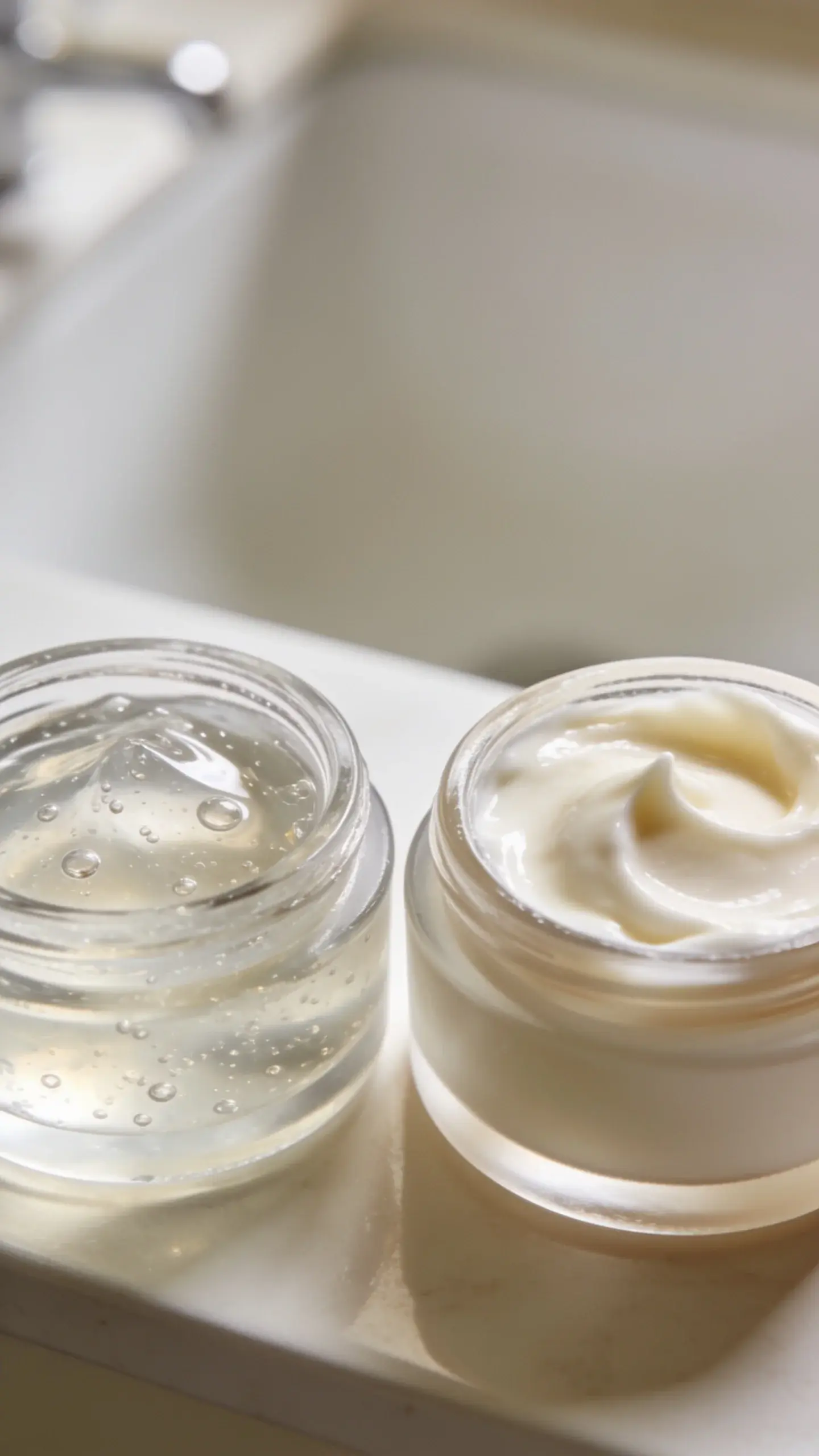
- Gel-Creams: Lightweight with humectants. Great for dehydrated, normal-to-dry, or hot climates.
- Creams: Balanced with humectants + emollients + a little occlusive. Perfect daily driver.
- Balms/Ointments: Occlusive-heavy. Ideal for night, windburn, or post-retinoid recovery.
Day vs. Night
– Day: Lighter texture + broad-spectrum SPF 30+ on top. Look for dimethicone for makeup grip.
– Night: Lean richer. Add a few drops of squalane or layer a thin occlusive if you’re extra dry.
How To Read The Label Like A Pro
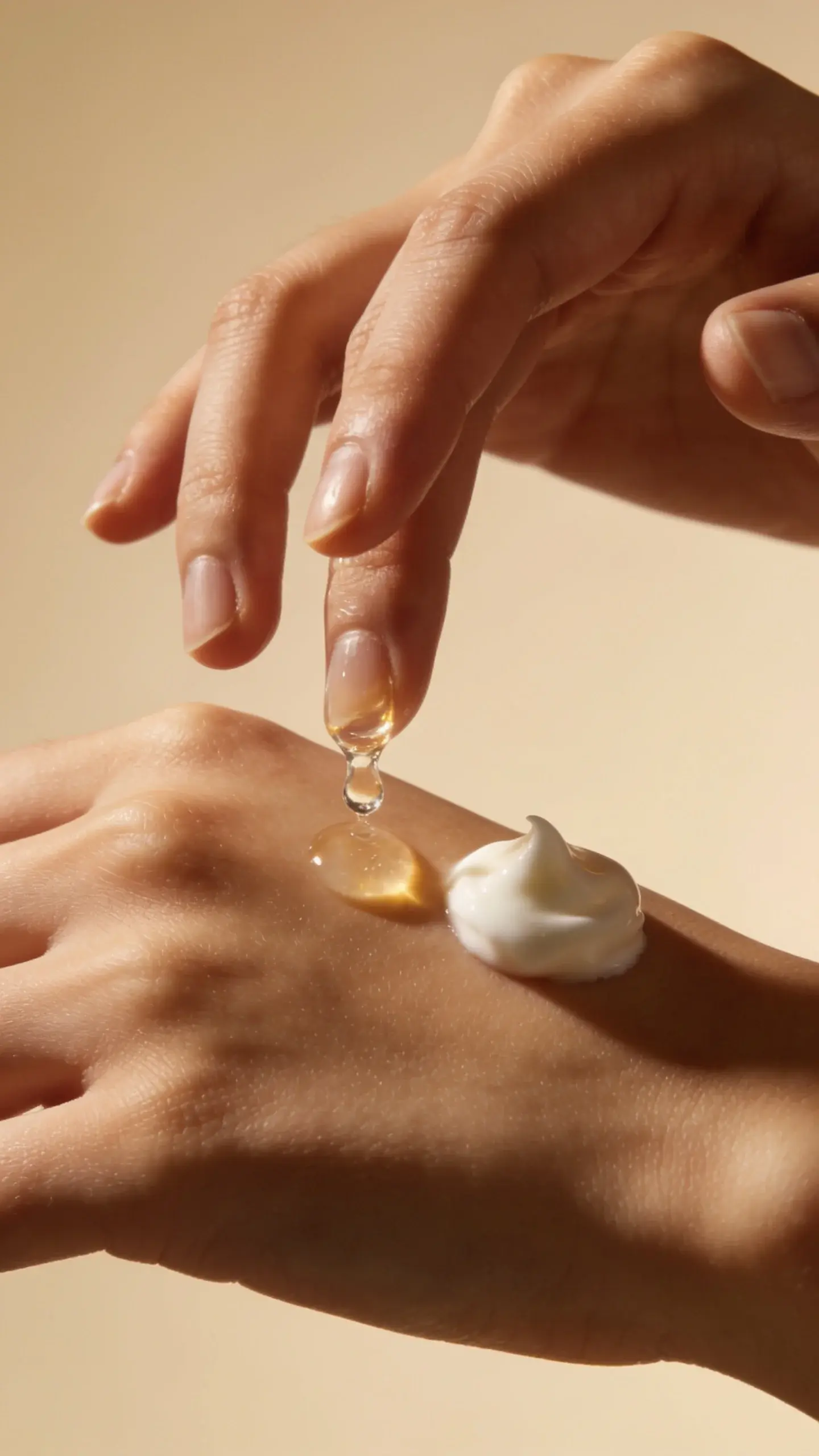
Scanning an ingredient list feels like decoding ancient runes. Here’s the cheat sheet.
- Top five ingredients tell the story. Water + glycerin + caprylic/capric triglyceride + cetyl/stearyl alcohol = promising.
- Ceramides near the middle still help. Tiny amounts go a long way.
- Look for percentages when brands disclose them: niacinamide 2–5%, urea 2–5%, panthenol 1–2%.
- Derm-tested or “for sensitive skin” can be helpful—but not foolproof. Patch test anyway.
Application Hacks That Make Any Moisturizer Work Harder
You can upgrade your current cream with technique alone.
- Apply to damp skin. Don’t towel-dry fully. A little water helps humectants pull moisture in.
- Layer smart. Serum (humectants) → moisturizer (emollients) → balm (occlusive) on dry spots.
- Use enough. A nickel-sized amount for face and neck. Most people under-apply.
- Seal at night. Dab a pea of petrolatum on cheekbones or around the mouth if those areas crack.
Seasonal Switch-Ups
– Winter: Go richer, add occlusives, run a humidifier. Your skin will thank you.
– Summer: Gel-cream by day, light cream by night. Keep the ceramides year-round.
Budget vs. Bougie: Where To Spend
FYI, you don’t need a $90 cream to fix dryness. Spend on formula design, not just branding.
– Save on: Glycerin-heavy creams, petrolatum-based ointments, squalane oils.
– Invest in: Well-formulated barrier creams with balanced lipids (ceramide/cholesterol/fatty acids), fragrance-free options with good packaging (airless pumps beat jars).
Packaging Counts
Air, light, and fingers degrade actives. Choose tubes or pumps over wide-open jars when possible.
Red Flags That Your Moisturizer Isn’t It
– Tightness returns within an hour
– Flakes under makeup, no matter what primer you use
– Stinging or redness after application (beyond a brief niacinamide tingle)
– You need to reapply constantly just to feel comfortable
If two weeks pass and none of that improves, upgrade your formula or add an occlusive step.
FAQ
Can oily skin ever be dry?
Yes. You can produce oil and still lack water. If your T-zone shines but your cheeks feel tight, use humectants (glycerin, hyaluronic acid) plus a light emollient cream. Keep heavy occlusives for dry patches only.
Is fragrance always bad in moisturizers?
Not always, but dry or compromised skin reacts faster. If you love a little scent and your skin behaves, cool. If you deal with redness, flaking, or eczema, choose fragrance-free to play it safe, IMO.
Do I need a separate day and night moisturizer?
Not mandatory. One solid, mid-weight cream can do both. For extra dryness at night, layer a few drops of squalane or a thin occlusive on top rather than buying a whole second product.
Where do face oils fit in?
Think of oils as emollients, not hydrators. Apply after water-based steps (serum), then seal with or mix into your moisturizer. If you use oil alone, it won’t pull in water—so you might still feel tight.
Can I use body lotion on my face?
In a pinch, yes—especially fragrance-free, gentle ones. But face formulas often include barrier-restoring ceramides and are less likely to clog pores. If you’re breakout-prone, stick to face-specific options.
How long until I see results?
You’ll feel relief right away. Visible improvements in flaking and redness usually show within 3–7 days. Barrier strengthening from ceramides and niacinamide builds over 2–4 weeks. Keep going.
Conclusion: Shop Smart, Stay Soft
Dry skin doesn’t need drama—it needs the right balance. Look for a formula that mixes humectants to draw water in, emollients to smooth, and occlusives to seal. Avoid heavy fragrance and drying alcohols, pick a texture you’ll actually use, and apply to damp skin. Do that, and flakes don’t stand a chance. FYI: Your glow is about to become obnoxiously unbothered.