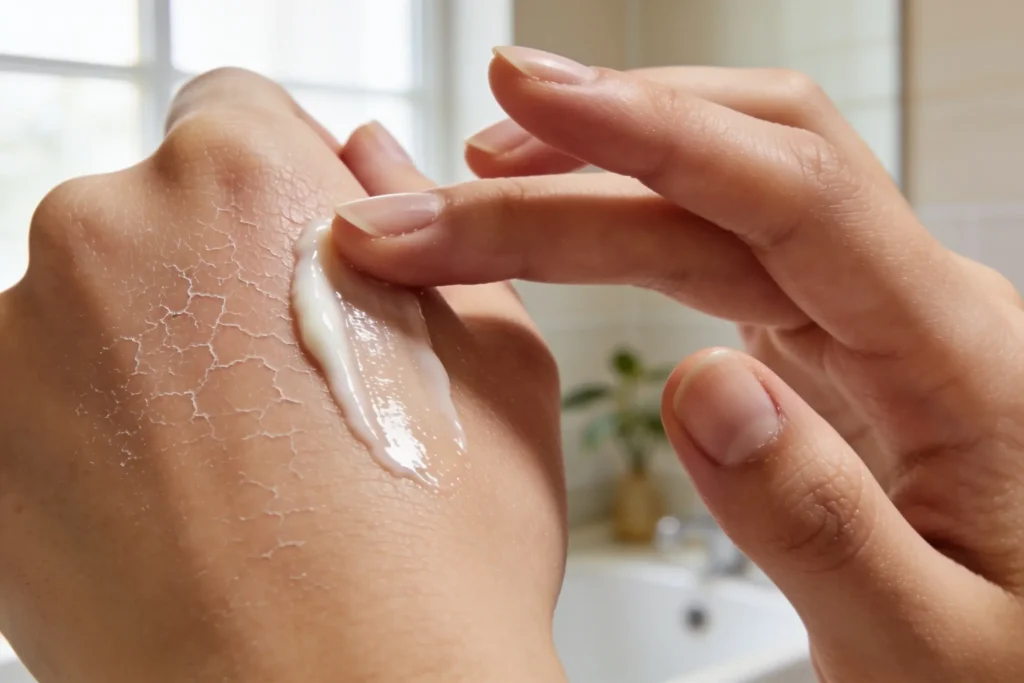
Let’s be real: dry, flaky skin is annoying, itchy, and shows up right before big events like it has front-row tickets. The good news? You can fix it faster than your moisturizer can absorb—if you know what’s causing it. This guide breaks down the usual suspects and gives you easy, effective fixes you can start today. No fluff, just the real talk your face (and body) needs.
Why Your Skin Suddenly Turns Into Confetti
Your skin barrier acts like a brick wall: cells are the bricks, lipids are the mortar. When the mortar crumbles, moisture escapes and flakes happen. Simple, right? Here are the top culprits:
- Weather and indoor heating: Cold air and low humidity suck moisture out of your skin. Heaters don’t help either.
- Over-cleansing and harsh products: Strong foaming cleansers, frequent exfoliation, and alcohol-heavy toners strip your barrier.
- Hot showers: Great for your soul, terrible for your barrier.
- Vitamin A or benzoyl peroxide: Acne and anti-aging MVPs that also dry you out.
- Skin conditions: Eczema, psoriasis, and seborrheic dermatitis cause chronic flaking and inflammation.
- Lifestyle stuff: Not enough water, low-fat diets, stress, and certain meds (FYI, isotretinoin is a moisture vampire).
Build A Barrier-Friendly Routine (Your Skin Will Chill Out)
Your routine doesn’t need 12 steps. It needs the right steps.
AM Routine (Keep It Simple)
- Cleanse: Use a gentle, non-foaming cleanser or just rinse if you don’t feel oily.
- Hydrate: Apply a humectant serum with glycerin or hyaluronic acid on slightly damp skin.
- Moisturize: Choose a cream with ceramides, cholesterol, and fatty acids.
- Seal (optional): If you’re super dry, add a thin layer of petrolatum or a balm to cheeks and around the nose.
- SPF 30+ daily: Mineral filters (zinc oxide) feel gentler when you’re flaky.
PM Routine (Repair Mode)
- Cleanse: Lukewarm water, gentle cleanser. No scrubbing—your face isn’t a casserole dish.
- Treatment: If you use retinoids or acids, cut frequency to 1–3x/week until flakes calm down.
- Barrier serum: Look for niacinamide (2–5%) to reduce redness and strengthen skin.
- Thicker moisturizer: Creams beat gels. Ingredients to love: shea butter, squalane, ceramides, urea (2–10%).
- Slug strategically: Dab petrolatum on problem spots, not your entire face (unless you like sticking to your pillow, IMO).
Exfoliation: Do Less, But Do It Smarter
Flakes beg you to scrub. Resist the urge. Over-exfoliation keeps the cycle going.
What Actually Works
- Use a soft washcloth or a konjac sponge 1–2x/week to lift flakes gently.
- Chemical exfoliation: Try lactic acid 5–10% once weekly; it hydrates while it exfoliates.
- Skip physical scrubs with large grains—micro-tears are not a vibe.
- Urea 5–10% doubles as a gentle exfoliant and humectant—great for knees, elbows, and heels.
Moisturizer Matchmaking: Find Your Texture Soulmate
Not all creams are created equal. Pick based on how dry you are and where.
For Face
- Oily but flaky: Lightweight creams with glycerin and squalane. Avoid heavy occlusives on acne-prone areas.
- Dry and tight: Creams with ceramides + cholesterol, or balms at night.
- Angry-red dry: Add colloidal oatmeal or panthenol for soothing.
For Body
- Lotion isn’t enough: Go for a cream or ointment. Apply within 3 minutes of showering.
- Keratosis pilaris (bumpy arms): Look for urea 10–20% or salicylic acid 2% a few nights a week.
Habits That Make A Big Difference
Small tweaks = huge payoff. Promise.
- Shorter, lukewarm showers: 5–10 minutes max.
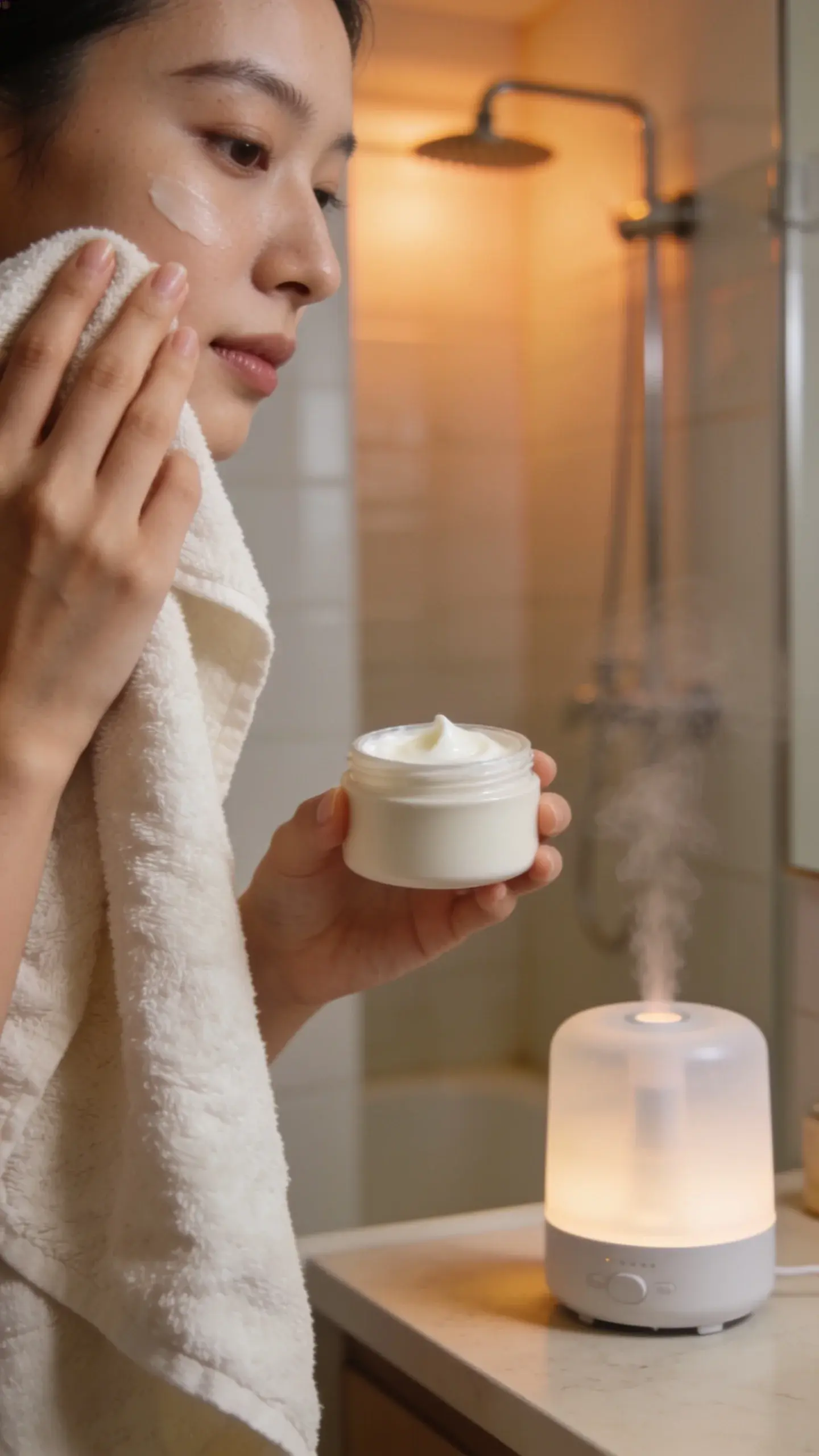
- Humidifier: Aim for indoor humidity around 40–50%. Your plants and skin will both cheer.
- Fragrance-free laundry detergent: Your sweater shouldn’t sabotage your skin.
- Diet check: Include healthy fats (salmon, walnuts, olive oil). Extreme low-fat diets can dry you out, FYI.
- Hydration: Water won’t cure dryness alone, but dehydration definitely makes it worse.
- Sunscreen daily: UV damage wrecks your barrier even when it’s cloudy.
When Dryness Is Actually A Skin Condition

Sometimes, flakes aren’t “just dry.” If you see persistent redness, thick plaques, yellowish scalp flakes, or intense itch, consider the following:
Eczema (Atopic Dermatitis)
- Clues: Itchy, red patches, often on hands, elbows, or behind knees.
- Fix: Rich moisturizers, fragrance-free everything, short showers, and topical steroids for flares (per doctor).
Seborrheic Dermatitis
- Clues: Flaky, greasy-looking patches around the nose, brows, scalp, chest.
- Fix: Anti-dandruff shampoos (ketoconazole, zinc pyrithione) used as a face wash 2–3x/week, then moisturize.
Psoriasis
- Clues: Thick, silvery scales on elbows, knees, scalp, or lower back.
- Fix: See a dermatologist. You’ll likely need prescription treatments.
Products And Ingredients Worth Your Money
IMO, ingredients > hype. Look for:
- Ceramides + Cholesterol + Fatty Acids: Barrier-building dream team.
- Glycerin, Hyaluronic Acid, Polyglutamic Acid: Humectants that pull in water.
- Squalane, Shea Butter, Petrolatum: Lock moisture in and stop transepidermal water loss.
- Niacinamide (2–5%): Calms redness and supports barrier repair.
- Urea (5–10%): Hydrates and gently exfoliates; go higher for body roughness.
- Colloidal Oatmeal, Panthenol, Allantoin: Soothe irritation fast.
FAQ
Can I still use retinol if my skin is flaky?
Yes, but ease up. Cut to 1–2 nights a week, sandwich it between moisturizer layers, and skip on nights you feel tight or stingy. Once your barrier calms down, slowly ramp back up.
Is Vaseline bad for my skin?
Nope. Petrolatum is one of the best occlusives out there. It doesn’t hydrate by itself, so apply it over a humectant and moisturizer. If you’re acne-prone, use it as a spot sealant, not a full-face mask.
Do I need to drink a gallon of water to fix dryness?
You don’t need to chug absurd amounts, but being dehydrated makes dryness worse. Aim for steady hydration and focus on topical products that actually trap water in your skin. Both matter.
How long until my skin stops flaking?
If you switch to gentle care and moisturize properly, you’ll see improvement in a few days. Full barrier recovery can take 2–4 weeks. If things worsen or you see rashy, inflamed patches, check with a derm.
What’s the best cleanser for dry, flaky skin?
Pick a low-foam, fragrance-free cleanser with mild surfactants and added humectants. If your skin feels tight after rinsing, it’s too harsh. Easy test: if you need to sprint for moisturizer, upgrade your cleanser.
Should I exfoliate daily if I keep peeling?
Hard pass. Daily exfoliation can cause a never-ending cycle of irritation. Try gentle lactic acid weekly and focus on barrier repair. Your face will stop “snowing,” promise.
The Takeaway
Dry, flaky skin usually comes down to a stressed barrier. Treat it like a fragile treasure: gentle cleansing, smart hydration, rich moisturizers, and a little patience. Tweak your habits, pick barrier-loving ingredients, and scale back the spicy actives. Do that, and your skin will chill out—fast. FYI, if flakes come with serious redness, pain, or plaques, grab a derm appointment and skip the guesswork.