If your face feels tight by noon and laughs at moisturizers like they’re optional, you probably have dry skin. Toner might sound like a relic from your teenage acne era, but the new wave looks nothing like that stingy, alcohol-soaked stuff. So, is toner a hero for dry skin or an extra step collecting dust? Let’s cut the fluff and find out—fast.
First Things First: What Even Is Toner Now?
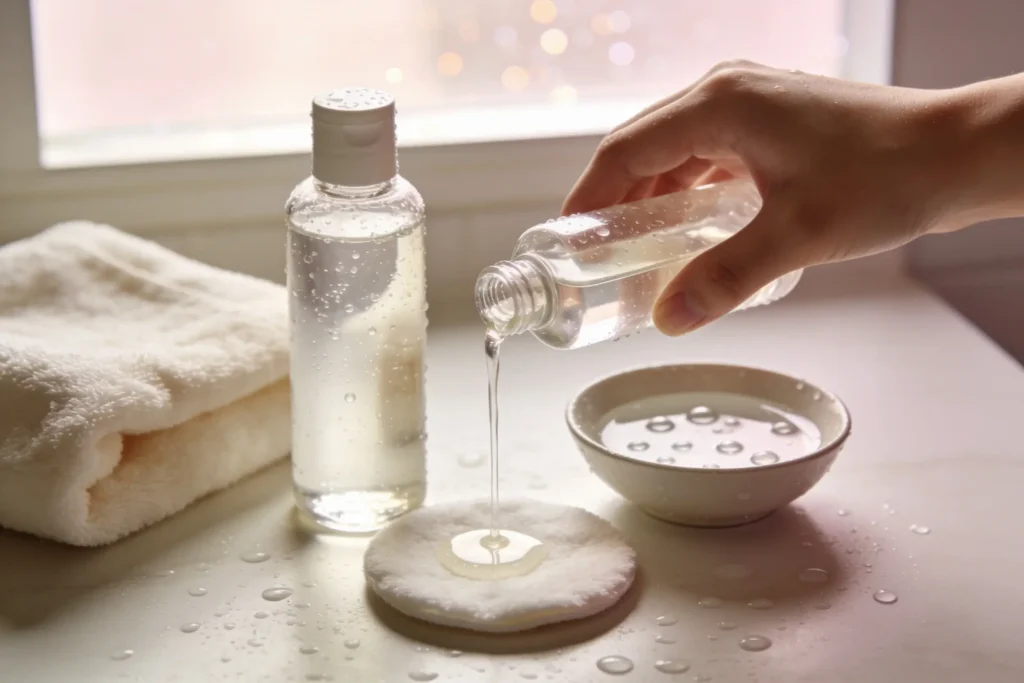
Old-school toners stripped oil and pride. Modern toners? They act like lightweight skin drinks that prep your face for everything after. Think hydration boosters, pH-balancers, and ingredient delivery systems all in one.
For dry skin, skip harsh astringents. Look for formulas that feel like a silky splash, not a tingle of regret.
Quick Decoder: Toner vs. Essence vs. Mist
- Toner: Watery, preps skin, lightly hydrates, sets the stage.
- Essence: Slightly thicker, more concentrated hydration and actives.
- Mist: On-the-go refresh; great for planes, offices, and your couch.
FYI, you don’t need all three. Pick the texture you’ll actually use.
Why Dry Skin Might Actually Love Toner
Hydration stacks better in layers. One heavy cream can’t do what a few thin, watery layers can. A good toner softens skin so serums absorb better and moisturizers lock in more water.
Benefits you’ll notice:
- Immediate plumpness: Humectants pull water into thirsty skin.
- Less flaky makeup: Smoother base = fewer cakey patches.
- Calmer feel: Soothing ingredients take down tightness and micro-irritation.
IMO, if your skin feels tight after cleansing, a hydrating toner can be a game-changer.
Ingredients That Actually Help (And Ones That Don’t)
Seek these MVPs:
- Hyaluronic Acid / Sodium Hyaluronate: Classic water magnets; apply to damp skin for best results.
- Glycerin: Humectant workhorse; less flashy, more reliable.
- Panthenol (Pro-Vitamin B5): Soothes, hydrates, supports barrier.
- Beta-Glucan: Hydration plus calming—great for redness-prone dryness.
- Aloe, Cucumber, Centella Asiatica: Gentle, soothing botanical support.
- Ceramides & Cholesterol: Bonus points if included—barrier love.
Proceed with caution (or skip):
- Alcohol Denat. high on the list: Can feel crisp but often dries you out.
- Strong exfoliating acids daily: AHAs/BHAs every day can backfire on dry skin.
- Heavy fragrance or essential oils: Lovely scent, possible irritation—know your tolerance.
What About Exfoliating Toners?
Use sparingly. For dry skin, try PHA (gluconolactone) or a low-dose lactic acid 1–3 times a week. You want glow, not sandpaper.
How To Use Toner So It Actually Works
Here’s the low-effort, high-payoff method:
- Cleanse gently. No squeaky-clean. If your face feels tight, your cleanser’s too harsh.
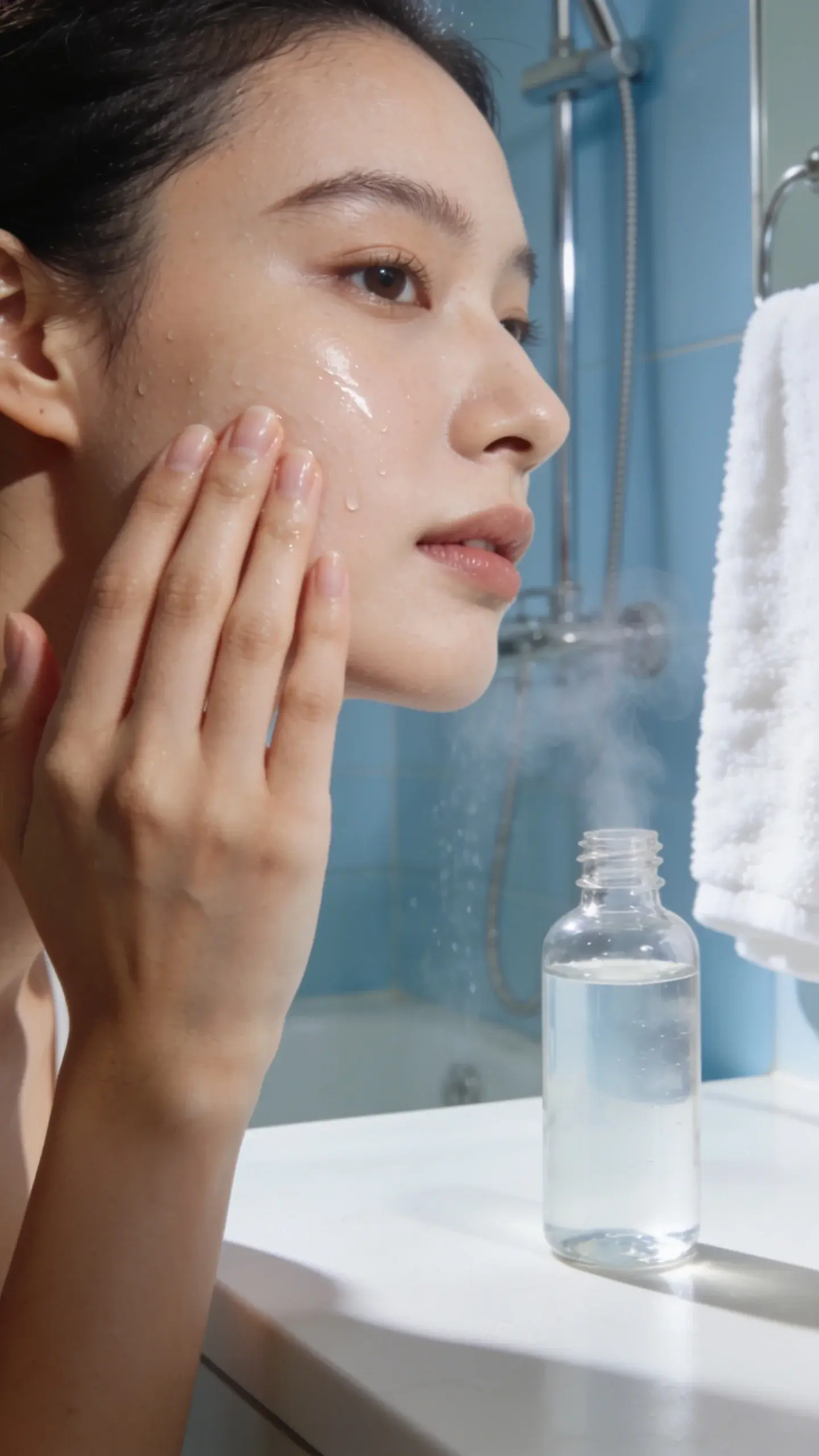
- Apply toner to damp skin. Hands or cotton? For hydration, hands win—less product waste, more pat-pat goodness.
- Layer once or twice. The “7-skin method” is cute, but two passes usually do the job.
- Follow with serum. Niacinamide, peptides, or a soothing antioxidant play well here.
- Seal with moisturizer. Lock it in with a cream that has ceramides or squalane.
Pro tip: If your room’s dry, add a thin occlusive (like a dab of petrolatum) at night to trap all that hydration.
Morning vs. Night
– Morning: Go light. Hydrating toner + moisturizer + sunscreen.
– Night: Get plush. Two toner layers, serum, richer cream. Maybe a sleeping mask if you’re extra.
Signs Your Toner Isn’t Doing You Any Favors
Not all toners deserve a spot in your bathroom. Watch for:
- Post-application tightness or stinging that doesn’t fade in 20–30 seconds.
- Increased flakes or redness after a week of use.
- Breakouts or itchiness in spots where you usually don’t react.
If any of the above shows up, pause it, simplify, and reintroduce later—or break up for good. Your skin will text you back with peace.
Build-Your-Own Dry-Skin Toner Routine (Examples)
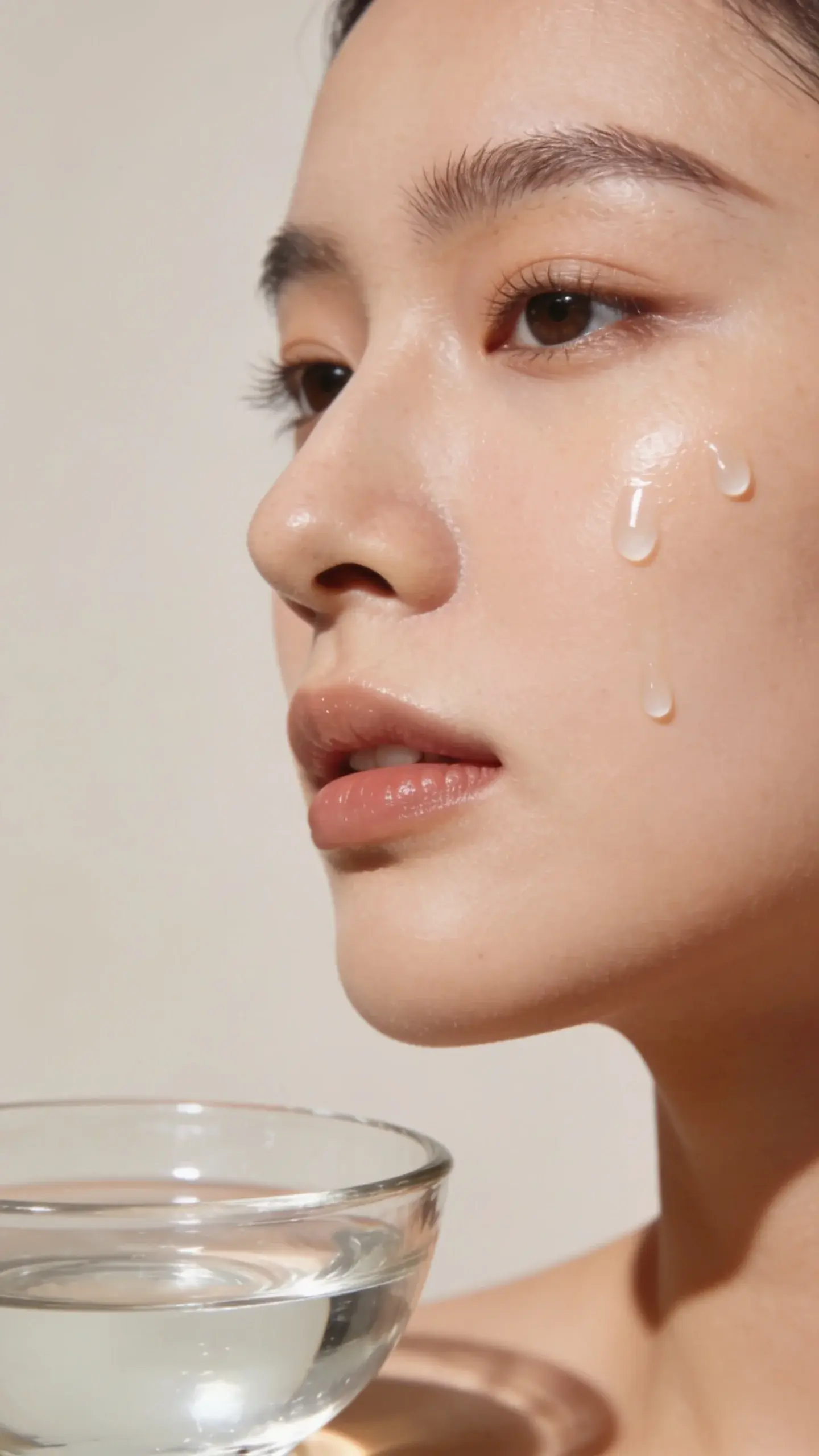
Minimalist (30 seconds):
- Gentle cleanser
- Hydrating toner with glycerin + panthenol
- Ceramide moisturizer
- SPF 30+ in the morning
Balanced Glow (still easy):
- Gentle cleanser
- Hydrating toner (hyaluronic acid + beta-glucan)
- Niacinamide serum (2–5%)
- Ceramide/squalane cream
- SPF AM; PHA toner 2x weekly PM
Dry + Sensitive (keep it calm):
- Milky cleanser
- Fragrance-free toner with panthenol + centella
- Barrier serum (ceramides, cholesterol, fatty acids)
- Rich cream; thin occlusive at night if needed
IMO, consistency beats fancy. The best toner is the one you’ll actually reach for daily.
Shopping Smart: What To Look For On The Label
Good signs:
- “Hydrating,” “Soothing,” “Barrier-supporting” claims
- Shorter ingredient lists you can pronounce
- Humectants in the top third of the list (glycerin, butylene glycol, HA)
Red flags (for many with dry skin):
- Denatured alcohol in the top five ingredients
- Strong menthol/eucalyptus/peppermint oils
- High-dose acids without clear guidance
Price vs. Performance
You don’t need a luxury label for hydration. Budget toners with glycerin and panthenol can outperform pricier, perfumed options. Save splurge energy for serums that target your specific concerns.
FAQ
Do I need a toner if I already use a hydrating serum?
You don’t need one, but you might like one. A toner preps skin and adds a watery hydration layer that helps serums glide and absorb better. If your serum alone keeps you comfy all day, you’re golden.
Can I use toner instead of moisturizer?
Not ideal. Toner hydrates, but moisturizer seals that water in. Without a cream to lock things down, hydration evaporates and your skin goes back to feeling parched.
What if I have dry and acne-prone skin?
Go for a gentle hydrating toner and keep exfoliation mild (PHA or low lactic acid 1–2 times weekly). Avoid heavy fragrance and skip alcohol-heavy formulas. Hydrated skin actually tolerates acne treatments better.
How long until I see results?
Hydration feels immediate—like, first use. Texture and flake reduction usually improve within 1–2 weeks. Barrier comfort (less sensitivity, fewer random rough patches) shows up around weeks 3–4.
Should I use a cotton pad or my hands?
For hydration, hands win. Pressing toner in wastes less product and keeps it where you want it. Use a pad only if you need a light sweep to catch leftover residue from SPF or makeup.
Can I layer multiple toners?
Yes, but keep it sensible. Pair a simple hydrating toner with a mild exfoliating toner on alternate nights, not stacked in the same routine. Your barrier will thank you.
The Bottom Line
For dry skin, a well-chosen toner isn’t fluff—it’s a useful hydration step that can make the rest of your routine work harder. Choose soothing, humectant-rich formulas, apply to damp skin, and seal with a solid moisturizer. If your face goes from “tight and cranky” to “soft and bouncy,” you’ve got your answer. And if it doesn’t? No stress—skip it and invest in a better cream. Your routine, your rules.