Dry skin throws tantrums over the tiniest thing—wrong water temp, harsh towels, that one cleanser you swore would be “gentle.” Let’s fix that. This guide cuts the fluff and shows you exactly what to look for (and avoid) so your face can stop feeling like parchment paper. Short version: the right cleanser can make the rest of your routine shine.
Why Dry Skin Hates Most Cleansers
Your skin barrier acts like a brick wall: lipids are the mortar, skin cells are the bricks. Harsh cleansers strip those lipids, which means more tightness, flaking, and irritation. You need a formula that cleans without wrecking your barrier. Sounds simple, right? Brands still mess it up all the time.
Know Your Cleanser Types (And Who They’re For)
Different textures behave differently on dry skin. Pick based on how your skin feels after rinsing—comfy and soft, not squeaky.
Cream Cleansers
Think silky, cushiony, and non-foaming. They dissolve grime without stealing moisture. Perfect for daily AM/PM use and anyone who loves that “I still feel like a human” finish.
Milk Cleansers
Lighter than creams but still comforting. Great for mornings or when you don’t wear heavy makeup. If you feel a tiny bit tight after, pair with a hydrating toner.
Oil Cleansers and Balms
These melt sunscreen and makeup like a dream. Most are non-drying and can be used as step one of a double cleanse. If you’re acne-prone, don’t panic—oils don’t automatically clog pores. Just look for “non-comedogenic” and rinse well.
Low-Foam Gel Cleansers
If you love a rinse-off gel, choose a low-foam, sulfate-free one with humectants. High foam often equals high dryness. Low foam equals clean and comfy.
The Ingredient Green Flags
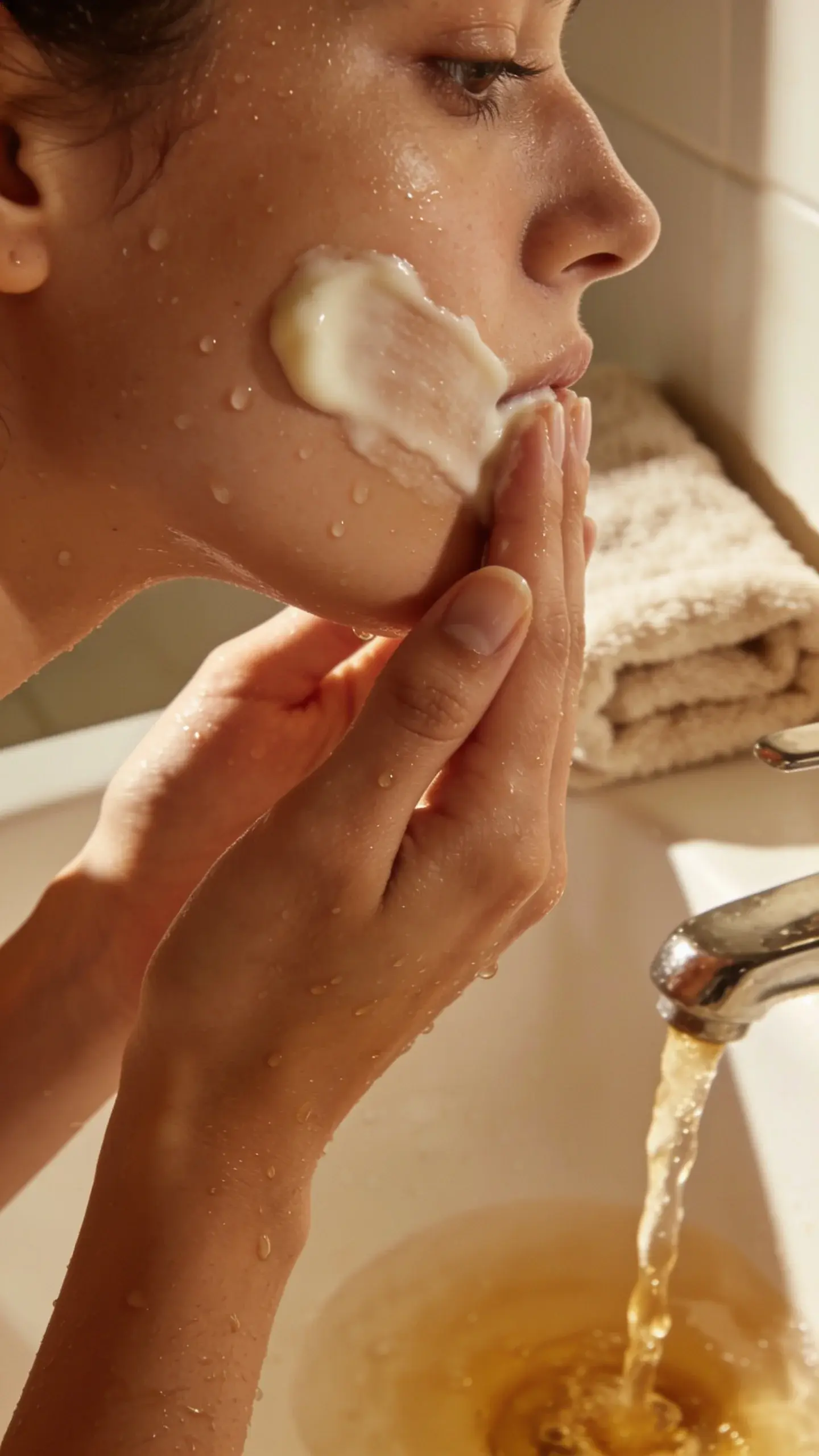
Focus less on labels and more on what’s inside. Your skin wants hydrators, barrier builders, and a calm life.
- Ceramides: Refill the “mortar” between skin cells. Great for long-term barrier support.
- Glycerin and Hyaluronic Acid: Humectants that pull water into skin. Glycerin is the MVP—effective, stable, and underrated.
- Squalane and Fatty Alcohols (cetyl, cetearyl): Emollients that soften and reduce rough texture.
- Oat Extract/Avenanthramides: Calm redness and itch. Your face’s chamomile tea.
- Panthenol (Vitamin B5): Soothes and supports repair.
- pH ~5–6: Skin-friendly pH reduces irritation and keeps your barrier happy.
Ingredients That Often Backfire On Dry Skin
Not all “deep clean” promises are your friend. Some offenders bring drama.
- Sulfates like Sodium Lauryl Sulfate (SLS): Super cleansing, super stripping. Hard pass.
- High Alcohol Denat.: Quick-drying and harsh. Occasional in a makeup remover? Maybe. Daily cleanser? No thanks.
- Strong Fragrance: If your skin gets red or itchy, go fragrance-free or low fragrance.
- High-Concentration Acids in daily cleansers: AHA/BHA in rinse-off form adds risk without much reward for dryness. Save exfoliation for leave-on products 1–3x/week.
How To Test If A Cleanser Actually Works For You
You don’t need a degree in dermatology—just a 3-day mini test.
The “Tightness Timer”
After rinsing, wait 60 seconds before applying anything. If your skin feels tight, shiny-dry, or itchy, it’s not hydrating enough.
The Blot Test
Pat a tissue on your cheeks. If it sticks like glue and you feel dried out, you need more emollients or humectants.
Makeup/Sunscreen Removal Check
If you wear sunscreen or makeup, try a balm/oil first, then a gentle gel or cream. If residue lingers after double cleansing, switch to a slightly more effective (but still gentle) second cleanser.
Build A No-Drama Cleansing Routine
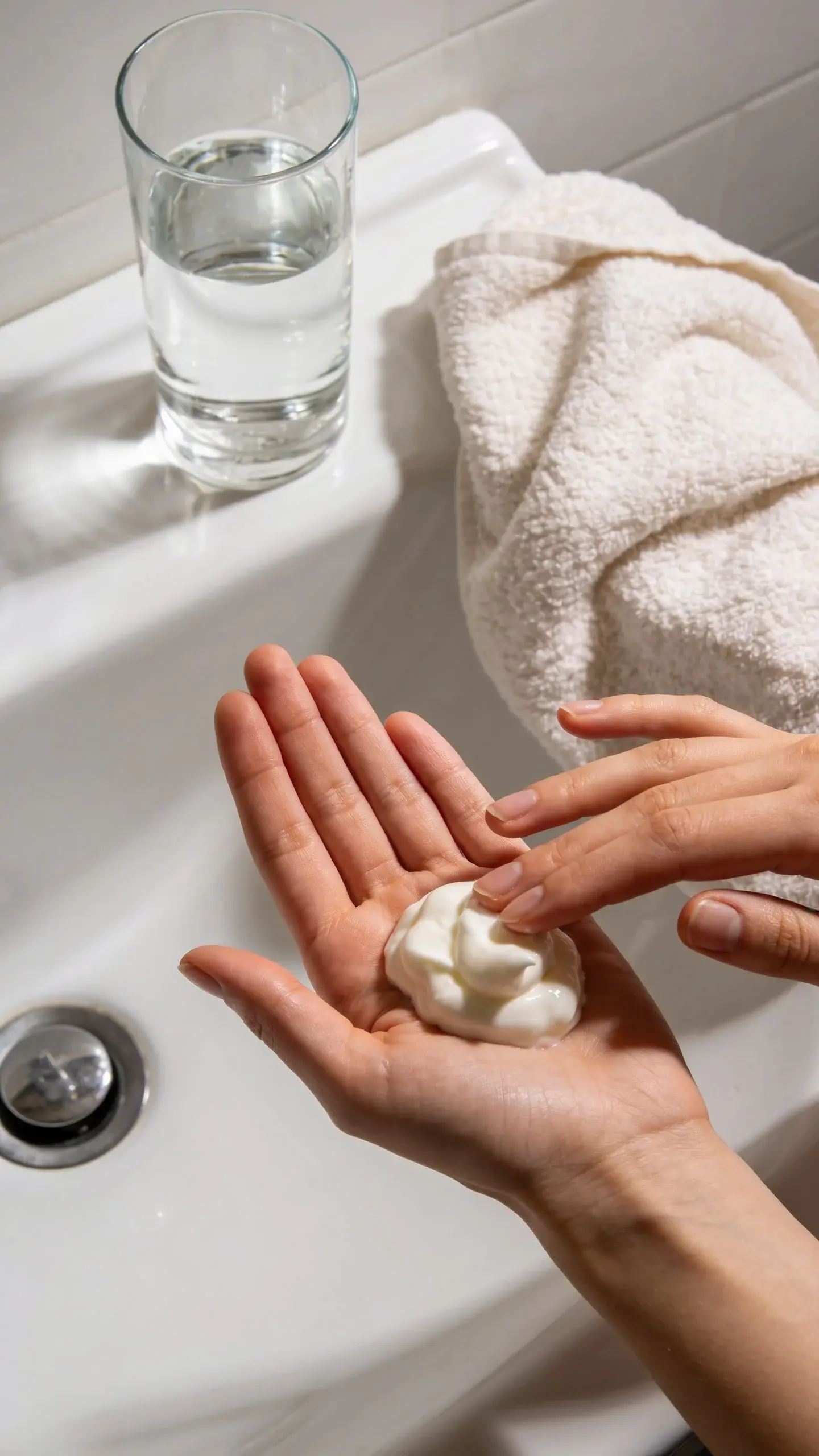
You can keep it simple and still win.
Morning
– If you wake up dry or tight: Rinse with lukewarm water only or use a creamy/milky cleanser.
– Pat—not rub—your face dry. Microfiber or soft cotton towel, please.
Night
– If you used sunscreen or makeup: Oil/balm cleanse first, then a low-foam gel or cream cleanser.
– If no makeup: One round with a cream or milk cleanser is plenty.
Post-Cleanse Non-Negotiables
– Hydrating toner/essence with glycerin or hyaluronic acid on damp skin.
– Moisturizer with ceramides, squalane, or shea butter.
– In winter or desert climates: Occlusive (petrolatum or balm) on dry patches at night. IMO, a thin layer over cheeks saves the day.
Special Cases: Dry + Something Else
Not all dry skin behaves the same. Mix-and-match wisely.
Dry + Acne-Prone
– Choose sulfate-free, low-foam gels with glycerin and panthenol.
– Keep spot treatments targeted. Don’t wash your whole face with high-acid or high-benzoyl peroxide cleansers daily.
– FYI, squalane is acne-safe for many people.
Dry + Sensitive/Rosy
– Go fragrance-free and look for oat, allantoin, or madecassoside.
– Lukewarm water only. Hot water = instant regret.
Dry + Mature
– Cream cleansers with ceramides + cholesterol + fatty acids support a thinning barrier.
– Skip scrubby beads. Your face is not a cutting board.
Shopping Shortlist: What To Look For On The Label
Scan the front, then flip the bottle like a detective.
- “Sulfate-Free,” “Non-Foaming,” “Hydrating” are good clues.
- Early in the ingredient list: Glycerin, Squalane, Panthenol, Oat Extract, Ceramides.
- pH stated around 5–6? Chef’s kiss. If not listed, rely on brand reputation or reviews.
- For balms/oils: look for ester oils (e.g., ethylhexyl palmitate) and emulsifiers so they rinse clean.
Routine Mistakes That Keep You Dry
Let’s call out the sneaky culprits.
- Over-cleansing: Twice daily is enough. In very dry climates, morning water rinse only.
- Scalding showers: Hot water dissolves lipids. Use lukewarm. Your barrier will thank you.
- Skipping moisturizer: Cleansing without sealing in hydration = desert vibes.
- Using face wipes as your only cleanse: Convenient, but they leave residue and can irritate. Emergency use only, IMO.
FAQs
Do I need to double cleanse if I have dry skin?
Only if you wear sunscreen or makeup that doesn’t rinse easily. Start with a balm or oil, then follow with a very gentle cream or low-foam gel. If you don’t wear much product, one cleanse is fine.
Can a cleanser really hydrate my skin?
A cleanser won’t replace your moisturizer, but a good one won’t strip you and can leave humectants behind for short-term comfort. Think “do no harm” first, then stack hydration with toner and moisturizer.
What water temperature should I use?
Lukewarm. Hot water strips oils and ramps up redness, while cold water doesn’t cleanse as effectively. Aim for “pleasant bathwater” warm—nothing steamy.
How do I know if fragrance irritates me?
If your skin gets red, itchy, or tight after washing—especially around the nose and cheeks—try a fragrance-free cleanser for two weeks. Improvement? You’ve got your answer.
Are micellar waters good for dry skin?
Yes, but rinse them. Many contain surfactants that can irritate if left on. Use as a quick first step, then rinse or follow with a gentle cleanser.
Should I exfoliate in the cleansing step?
Not daily. Skip scrubby cleansers and high-acid washes if you’re dry. Use a leave-on gentle exfoliant 1–3 times weekly and keep your daily cleanser soothing.
The Takeaway
Pick cleansers that protect your barrier: creamy or milky for everyday, balm/oil when you wear makeup, and low-foam gel if you crave a rinse-y feel. Look for glycerin, ceramides, squalane, and oat; dodge sulfates and heavy fragrance. Keep the water lukewarm, moisturize right after, and your face will stop begging for mercy. Simple, comfy, effective—because skincare should make your life easier, not drier.