Dry, tight, flaky skin that drinks moisturizer like it’s a triple espresso? You’re not alone. Serums promise dewy, bouncy skin in a tiny bottle, but do they actually deliver or just hurt your wallet? Let’s cut through the noise fast and figure out whether a serum for dry skin is worth it, what to look for, and how to use one without turning your face into an oil slick.
First Things First: What Even Is A Serum?
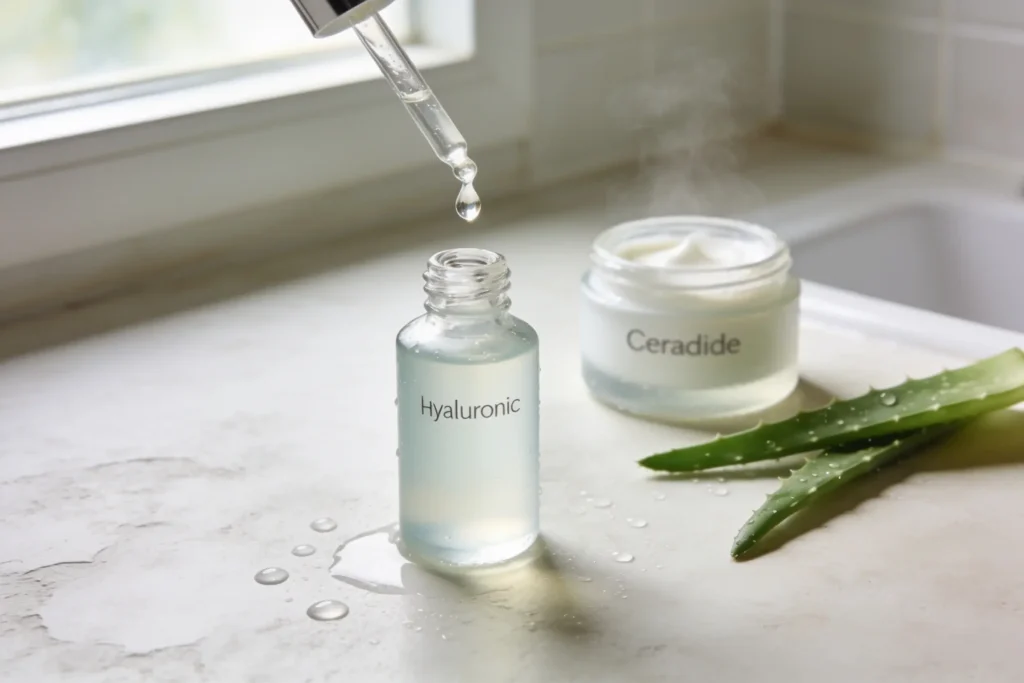
Serums are lightweight, fast-absorbing liquids packed with concentrated active ingredients. Think of them as the overachievers of skincare. Moisturizers seal hydration in; serums deliver targeted ingredients deep into the skin.
So for dry skin, a serum can act like a power-up. You still need your moisturizer, but a serum helps fill the “thirst gap” with humectants and barrier boosters.
Do You Really Need A Serum For Dry Skin?
Short answer: Maybe, but not always. If your regular moisturizer keeps you soft all day, you’re good. If you still feel tight, flaky, or your skin looks dull by noon, a serum can make a big difference.
Here’s when a serum helps the most:
- Seasonal dryness (winter or blasting AC/heat)
- Post-cleanse tightness even after moisturizer
- Makeup clinging to dry patches or looking cakey
- Barrier damage from over-exfoliating (we’ve all been there, IMO)
If you’re nodding at two or more, a serum probably earns a spot on your shelf.
The Ingredients That Actually Work (No Fairy Dust)
Not all serums hydrate equally. Look for these MVPs and don’t be shy about layering a couple if your skin is Sahara-level dry.
Humectants: The Water Magnets
- Hyaluronic Acid (various weights): Pulls water into the skin. Pair with moisturizer to lock it in or it can evaporate and leave you drier. FYI.
- Glycerin: Affordable, effective, and less finicky than hyaluronic acid.
- Panthenol (Vitamin B5): Soothes and hydrates; great if you’re sensitive.
- Aloe, Beta-Glucan, Tremella: Bonus hydrators with calming benefits.
Barrier Builders: The Seal-The-Deal Squad
- Ceramides: Replenish the “mortar” between skin cells.
- Cholesterol + Fatty Acids: Work best with ceramides in a 3:1:1-ish ratio (not a hard rule, but nice).
- Squalane: Lightweight oil mimic that softens without greasiness.
Calmers And Multi-Taskers
- Niacinamide (2–5%): Supports barrier, reduces redness, balances oil. Keep it lower if you’re sensitive.
- Urea (2–10%): Gently hydrates and smooths flakiness; excellent for stubborn rough patches.
- Peptides: Nice-to-have for plumpness; not mandatory.
How To Use A Serum Without Wasting A Drop
Serums shine when you apply them correctly. Timing and layering matter more than price tags.
Pro Layering Order
- Cleanse: Use a gentle, non-stripping cleanser.
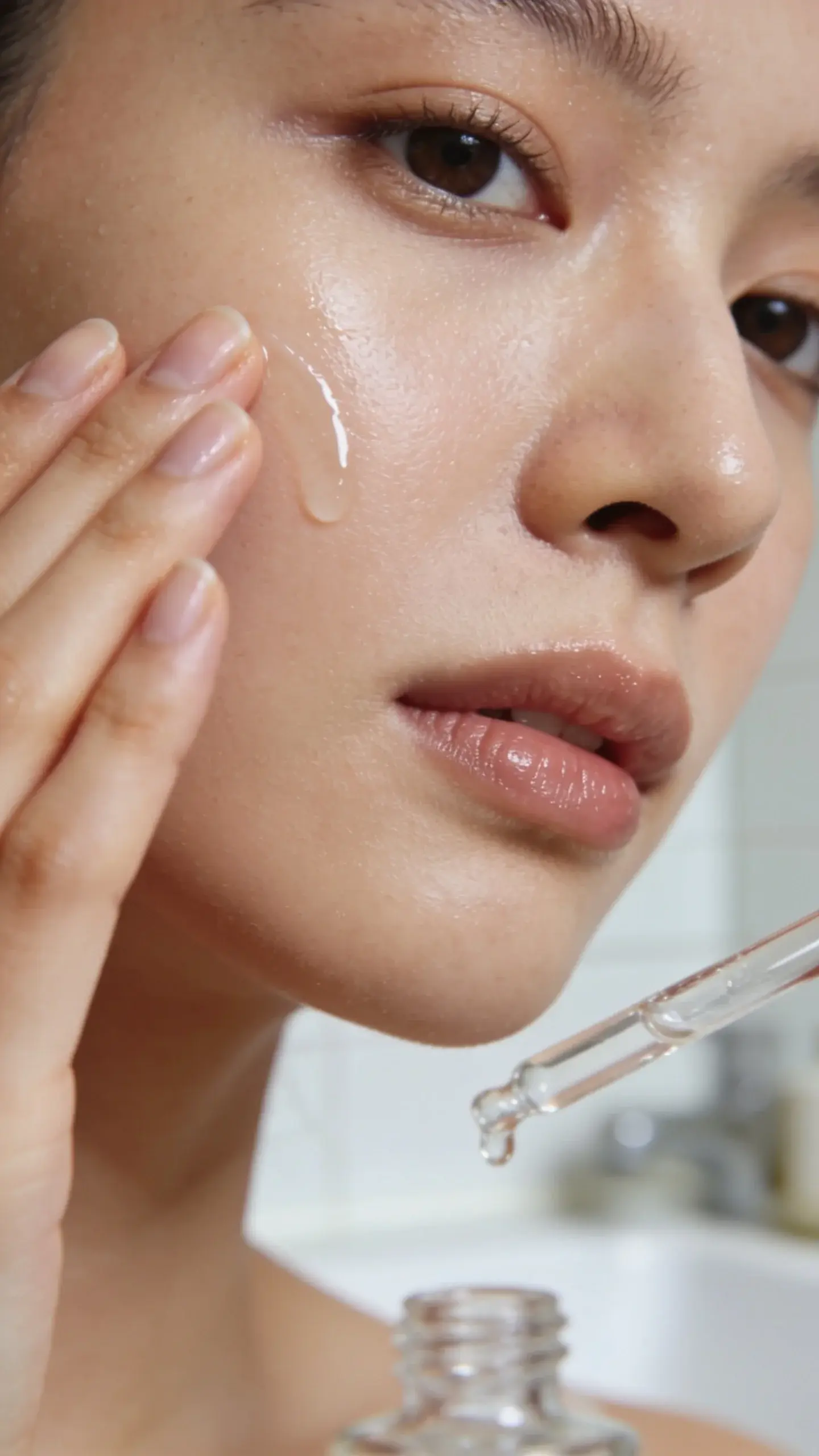
- Damp Skin: Apply hydrating serums on slightly damp skin to boost absorption.
- Serum: 2–4 drops. Press, don’t rub like you’re waxing a car.
- Moisturizer: Seal it in. Choose richer textures at night or in winter.
- SPF (AM): Non-negotiable. Hydration + sun safety = glow that lasts.
AM vs PM
- AM: Hyaluronic acid/glycerin + niacinamide for plumpness and calm.
- PM: Ceramides, squalane, urea for deep repair. Add a richer cream on top.
Common Mistakes That Sabotage Your Serum
- Using humectants on bone-dry skin without sealing them. Always follow with moisturizer.
- Over-exfoliating and then wondering why you’re peeling. Cut acids/retinoids to 1–3x weekly if dry.
- Too many actives at once. Your barrier wants peace, not a chemistry set.
- Ignoring the environment. In very dry air, layer an occlusive (like a pea of petrolatum) at night.
Do Budget Serums Work, Or Do You Need Luxe?
Hot take: the INCI list matters more than the logo. Great hydrating serums exist at every price point. Splurge if you enjoy the texture, packaging, or added goodies, but don’t expect miracles just because it’s fancy.
Smart Shopping Tips
- Scan for top-third placement of glycerin, hyaluronic acid, panthenol.
- For barrier repair, look for ceramide NP/AP/EOP, cholesterol, phytosphingosine.
- If sensitive, avoid heavy fragrance and high-tingle actives.
- Try minis or travel sizes first. Your wallet will thank you.
Signs Your Serum Is Working (Or Not)
You should feel softer and more comfortable within days, with fewer flakes in a week or two. Makeup glides on, and your skin doesn’t scream by 3 p.m. If you’re still dry or you sting every time, switch formulas.
Red Flags
- Immediate burning or lasting redness
- Tightness after 30 minutes even with moisturizer
- Worsening flakes despite consistent use
If you see these, simplify: gentle cleanser, one hydrating serum, rich moisturizer, SPF. Then reintroduce extras slowly.
FAQs
Can I just use a thicker moisturizer instead of a serum?
Yes, if it works for you. A rich cream can hydrate and seal well on its own. But serums deliver a higher hit of actives like hyaluronic acid or ceramides that many moisturizers don’t pack in the same concentration. If your cream alone leaves you tight, add a serum.
Should I use oil or serum for dry skin?
Use both strategically. Serum = water-based hydration and actives. Oil = seals and softens. If you’re extremely dry, apply serum, then moisturizer, then 1–2 drops of oil to lock it all in. If you break out easily, choose light oils like squalane.
How fast will I see results?
Hydration can feel better immediately. Texture and flake reduction usually improve within 3–7 days. Barrier repair can take 2–4 weeks, especially if you over-exfoliated. Consistency beats intensity.
Is hyaluronic acid safe for sensitive skin?
Generally yes, but formulas vary. Sometimes irritation comes from fragrance, alcohol, or high molecular weight HA tackiness, not the HA itself. If HA annoys your skin, try glycerin or beta-glucan instead.
Can I use a hydrating serum with retinol?
Totally—and it’s smart. Sandwich retinol between hydrating layers: gentle cleanse, hydrating serum, retinol, then moisturizer. This helps reduce dryness and flaking while you get the benefits.
What if I have dry and acne-prone skin?
Hydrate anyway. Dehydration can trigger more oil and breakouts (fun, right?). Pick non-comedogenic, lightweight serums with glycerin, niacinamide, and panthenol. Keep heavy oils minimal and patch test.
The Bottom Line
Do you need a serum for dry skin? If your moisturizer alone doesn’t cut it, yes—serums help a lot. Look for humectants like glycerin and hyaluronic acid, plus barrier buddies like ceramides and squalane. Layer on damp skin, always seal with moisturizer, and adjust for season and sensitivity. Keep it simple, consistent, and IMO, let results—not hype—decide what earns a permanent spot on your shelf.