Dry, itchy, flaky skin that flakes like croissant crumbs? Been there. The good news: you can usually fix it fast once you know what’s actually drying you out. Let’s break down the nine most common culprits and how to kick them to the curb with simple, realistic tweaks. Your skin barrier will thank you.
1) Cold Weather And Indoor Heating: The Moisture Thieves
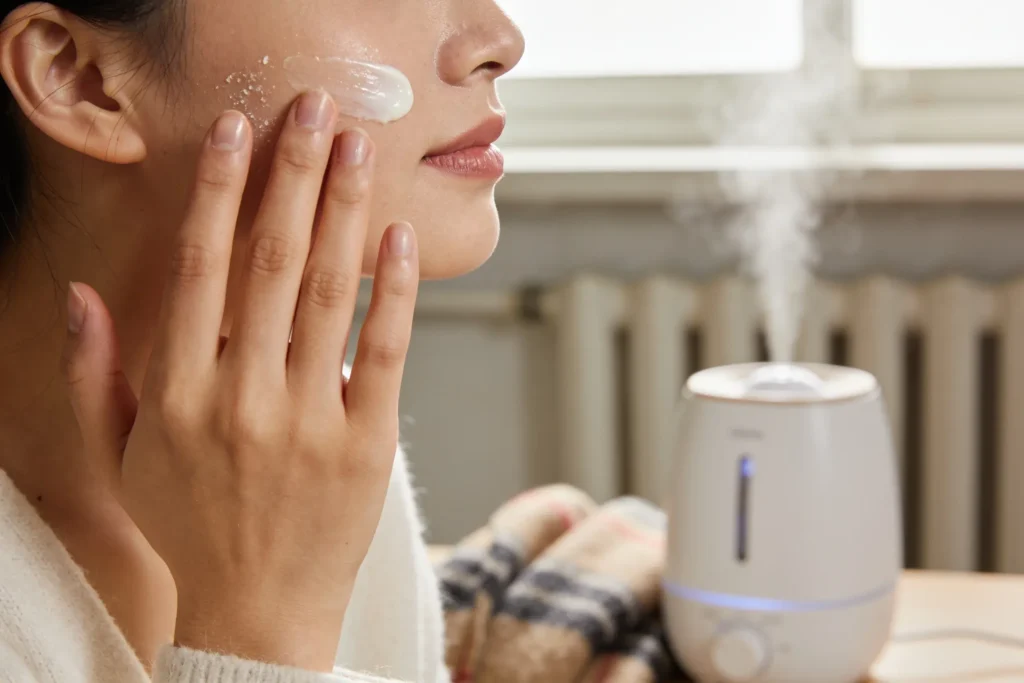
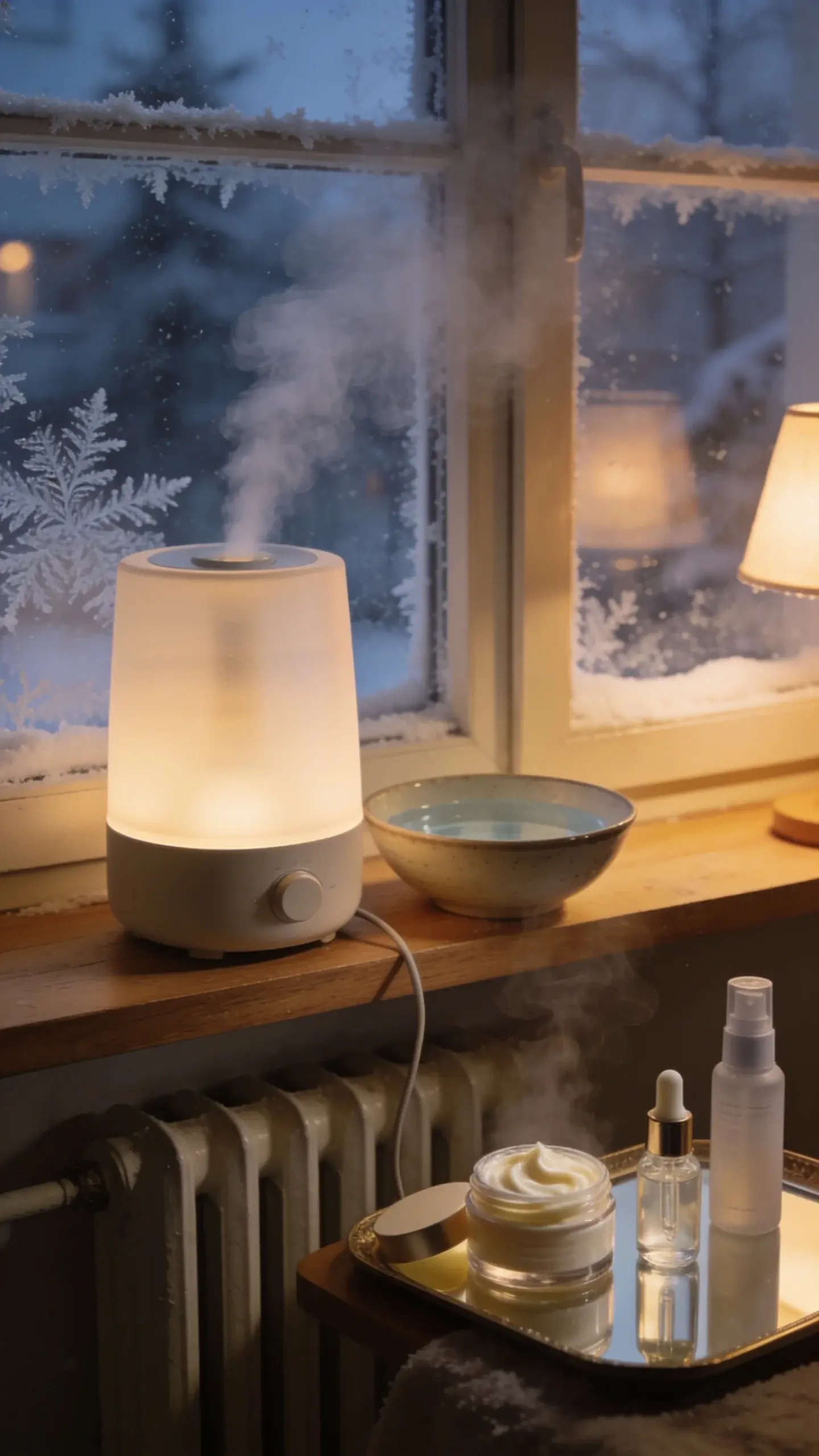
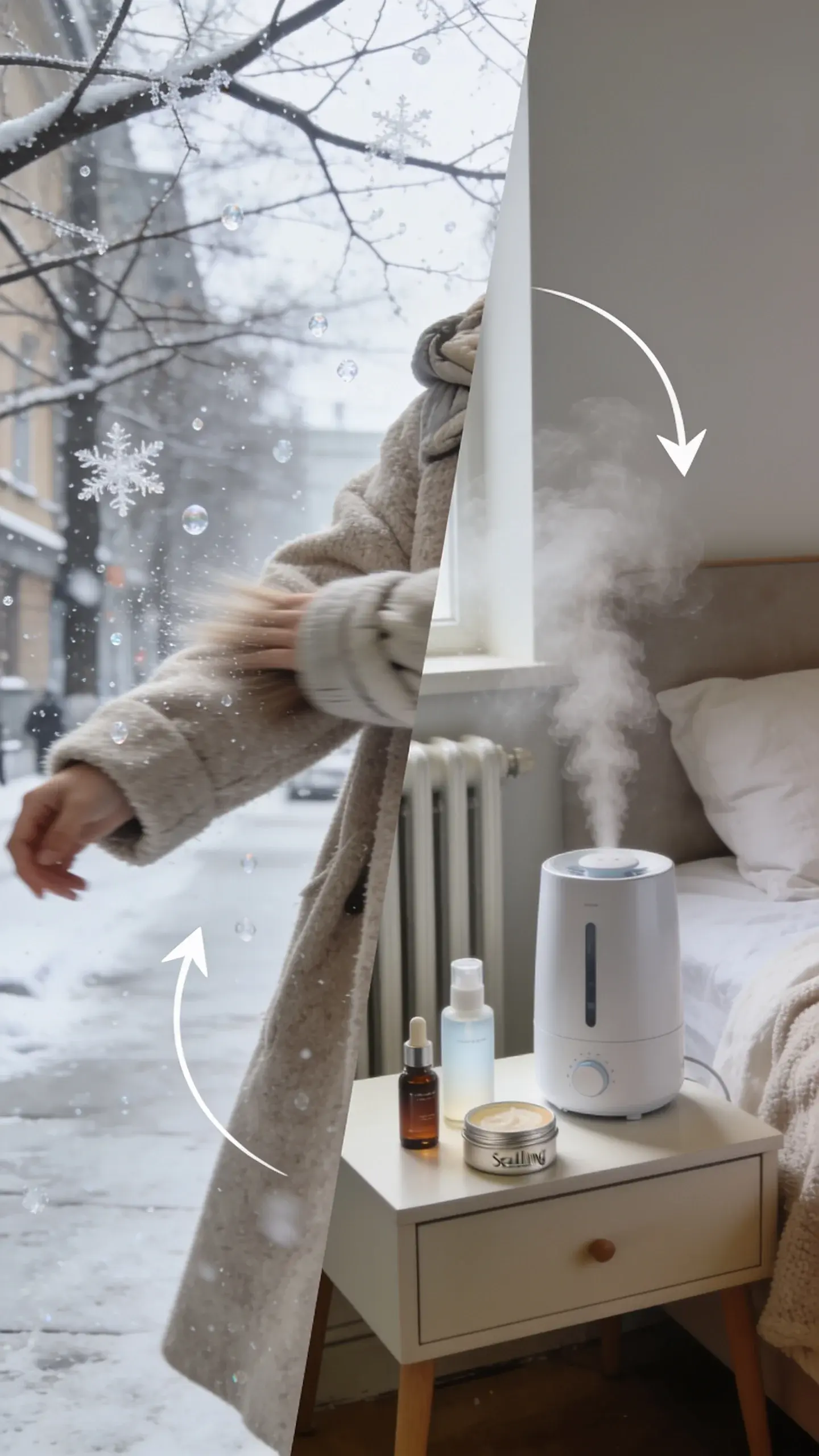
Winter air holds almost no humidity, and heaters suck even more moisture out. Your skin barrier can’t keep up, so it cracks, flakes, and stings. Cozy vibes, tragic epidermis.
How To Fix It
- Run a humidifier at 40–50% humidity. No humidifier? Place a bowl of water near a heat source as a hack.
- Switch to thicker moisturizers with ceramides, cholesterol, and fatty acids. Think creams, not lotions.
- Layer like a pro: mist or pat on a hydrating toner, apply a hyaluronic acid or glycerin serum, then seal with a balm at night.
- Protect skin outdoors with a scarf and SPF. Yes, UV still hits in winter.
2) Hot Showers And Harsh Cleansers: The Barrier Bullies
Love a steaming shower? Your skin doesn’t. Hot water and sulfate-heavy soaps strip your natural oils and disrupt your microbiome. Cue tightness and flakes.
How To Fix It
- Turn the temp down to lukewarm and keep showers 5–10 minutes.
- Use gentle, low-foam cleansers labeled “fragrance-free” and “pH-balanced.”
- Moisturize within 60 seconds of toweling off to trap water (the “moisture sandwich” trick).
3) Over-Exfoliating: Scrub Now, Suffer Later
You wanted glass skin; you got sandpaper. Too many acids, retinoids, or physical scrubs can thin your protective layer and spark inflammation. Flakes from “overdoing it” aren’t glow—they’re damage, FYI.
How To Fix It
- Pause actives (AHAs, BHAs, retinoids) for 1–2 weeks when you feel tightness or stinging.
- Rebuild with barrier serums containing niacinamide (2–5%), panthenol, and ectoin.
- Limit exfoliation to 1–2 times weekly max once your skin calms down.
4) Skipping Occlusives: Hydration Without A Lid
Humectants like hyaluronic acid pull water in, but without a seal, that water can evaporate. It’s like making tea and never putting the lid on—pointless and sad.
How To Fix It
- Seal with an occlusive at the end of your routine: petrolatum, shea butter, squalane, or lanolin.
- Try slugging (light version): a pea-size of petrolatum on dry zones at night, not your whole face if you’re acne-prone.
- Pick products with ceramides to actively repair the barrier while you seal.
5) Fragrance And Irritants: Sneaky Saboteurs
Fragrance (including “natural” essential oils), drying alcohols, and certain preservatives can irritate sensitive skin. If your face tingles or turns pink, your products might be the drama.
How To Fix It
- Go fragrance-free and dye-free for 6–8 weeks to reset.
- Patch test new products on the inner arm for 48 hours.
- Scan labels for potential triggers like limonene, linalool, eucalyptus, menthol, and strong citrus oils.
6) Not Drinking Enough (Water And Electrolytes): Inside-Out Dryness
If you run on coffee and vibes, your skin might complain. Dehydration affects your skin’s turgor and turnover. Do you need to chug a gallon? No. But a little strategy helps.
How To Fix It
- Drink water consistently and add electrolytes if you sweat a lot or live in a dry climate.
- Eat water-rich foods like cucumbers, citrus, and soups. Easy win.
- Balance caffeine and alcohol with extra water. IMO, think 1:1.
7) Medications And Health Conditions: The Hidden Culprits
Some meds and conditions dry you out, full stop. Think acne meds (isotretinoin), diuretics, antihistamines, thyroid issues, diabetes, eczema, and psoriasis. If your skin changed overnight, this might be why.
How To Fix It
- Check with your clinician before changing any meds—no DIY doctoring.
- Upgrade moisturizers to thicker formulas with urea (5–10%), lactic acid (in low %, super gentle), or ceramides.
- Use prescription help for eczema or psoriasis when needed. Consistency beats flare-ups.
8) Aging And Hormones: Less Oil, More Drama
As we age, oil production and natural moisturizing factors drop. Menopause and perimenopause can fast-track the dryness train. It’s normal, but you can absolutely fight back.
How To Fix It
- Choose richer textures with squalane, cholesterol, and jojoba.
- Add urea (5%) or PCA to mimic skin’s natural moisturizers.
- Consider retinoids carefully: buffer with moisturizer and start slow to avoid extra dryness.
9) Lifestyle And Environment: The Daily Drag
Airplanes, chlorinated pools, wind, long runs, and overuse of hand sanitizers all strip moisture. Even constant mask-wearing can dry out certain zones while breaking out others—fun combo, right?
How To Fix It
- Pre-flight prep: apply a thick cream, skip actives, bring a mini mist, and reapply occlusive on cheeks.
- After swims or workouts: rinse ASAP, apply a barrier-repair cream, and rehydrate.
- Hands and body: use fragrance-free creams with glycerin or urea; apply right after washing.
Your No-Fuss Dry-Skin Routine (AM/PM)
- AM: Gentle cleanse (or just rinse), hydrating serum (glycerin/HA), moisturizer with ceramides, SPF 30+.
- PM: Creamy cleanse, barrier serum (niacinamide/panthenol), rich cream, dab of occlusive on dry spots.
- 2x Weekly: Light exfoliation (low % lactic acid) if you’re not irritated.
Ingredients That Actually Work
- Humectants: Glycerin, hyaluronic acid, sodium PCA, aloe.
- Barrier builders: Ceramides, cholesterol, fatty acids, squalane, shea butter.
- Soothers: Panthenol, allantoin, colloidal oatmeal, centella.
- Smart hydrators: Urea (5–10%) softens and hydrates without greasiness. FYI, it’s a star.
What To Skip (At Least For Now)
- High-percentage acids when already flaky.
- Strong retinoids nightly without buffering.
- Fragranced mists and essential oils on compromised skin.
- Super-hot water and alcohol-heavy toners. Your barrier says nope.
FAQ
How do I know if it’s dry skin or dehydrated skin?
Dry skin lacks oil; dehydrated skin lacks water. If you feel tight and look dull but still get shiny in the T-zone, you’re probably dehydrated. If you’re flaky, rough, and never feel oily, that leans dry. Many people have both, IMO—treat with humectants plus an occlusive.
Can I still use retinoids with dry skin?
Yes, just be strategic. Buffer with moisturizer before and after, use it 2–3 nights weekly, and skip on days you feel tight or irritated. Choose gentler forms like retinal or lower strengths and build up slowly.
What’s the best budget fix for dry skin?
Petrolatum or a simple ceramide cream, hands down. Use a gentle, fragrance-free cleanser and apply cream on damp skin. Add glycerin or a basic HA serum if you want a small upgrade without the fancy price tag.
Do I need a humidifier?
If indoor humidity sits below ~40%, a humidifier makes a big difference. Your skin, sinuses, and plants will all chill out. Clean it weekly to avoid gunk—no one wants moldy mist.
Are natural oils better than creams?
Oils can seal in moisture but don’t add water or repair the barrier as effectively alone. Pair oils with a humectant and a ceramide-rich cream for best results. If you love oils, try squalane or jojoba—they’re lightweight and friendly.
When should I see a dermatologist?
If you have cracks that bleed, intense itching, rashes, or no improvement after 4–6 weeks of diligent care, get professional help. Conditions like eczema, psoriasis, or contact dermatitis may need prescriptions and a tailored plan.
Wrapping It Up
Dry skin usually isn’t mysterious—it’s a combo of weather, habits, and products ganging up on your barrier. Tweak your environment, simplify your routine, and load up on humectants, ceramides, and a good occlusive. Give it two to four weeks of consistency, and you’ll go from flaky to dewy without selling your soul (or your savings) to the skincare gods.