Flakes on your face right before a big day? Been there. Dry, tight, itchy skin can mess with your makeup, your confidence, and your mood fast. The good news: you can fix it with smart tweaks, not a 47-step routine. Let’s break down why your skin’s flaking, what to do tonight, and how to keep it smooth long-term.
What’s Really Behind Dry, Flaky Skin?
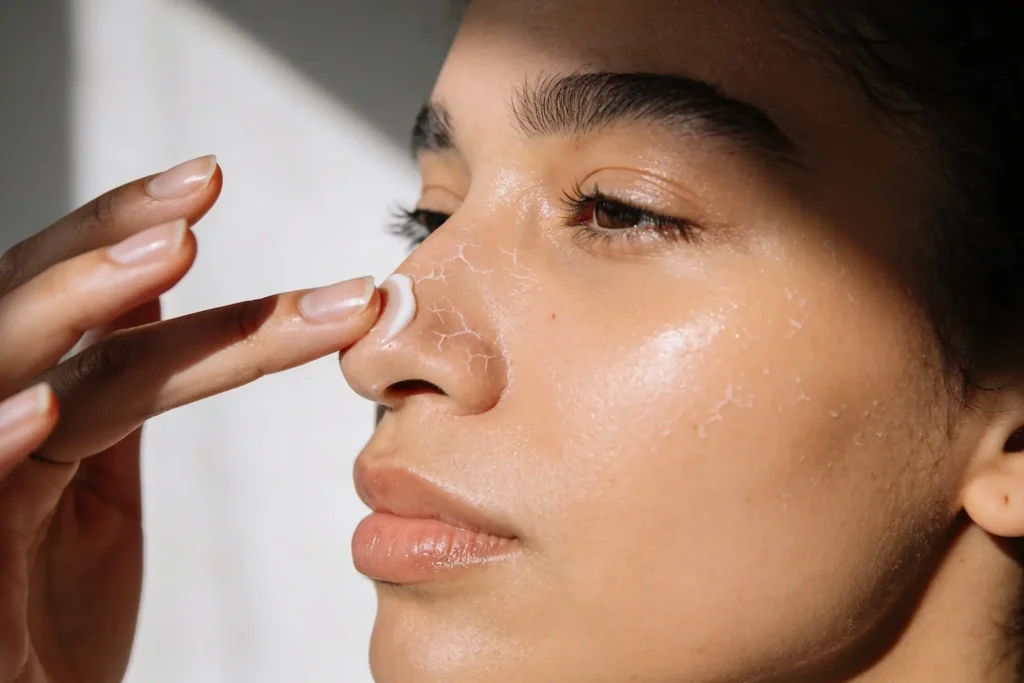
Your face flakes when its moisture barrier throws a tantrum. That barrier (made of lipids, cells, and natural moisturizing factors) locks in water and blocks irritants. When it breaks down, water escapes and the surface peels like a croissant.
Common culprits:
- Over-cleansing and harsh actives: Sulfate cleansers, scrubs, too much retinol/acids.
- Cold, dry air or indoor heat: Winter + heaters = moisture vacuum.
- Hot showers and steamy rooms: Cozy, yes. Barrier-friendly? Not so much.
- Fragrance and alcohol-heavy products: Smells great, flakes later.
- Medical conditions: Eczema, psoriasis, seborrheic dermatitis, hypothyroidism—worth checking if flaking persists.
- Aging: Less oil, slower cell turnover, fewer natural moisturizers over time.
- Sun exposure: UV wrecks lipids and hydration. Sneaky but brutal.
Immediate Relief: What To Do Tonight
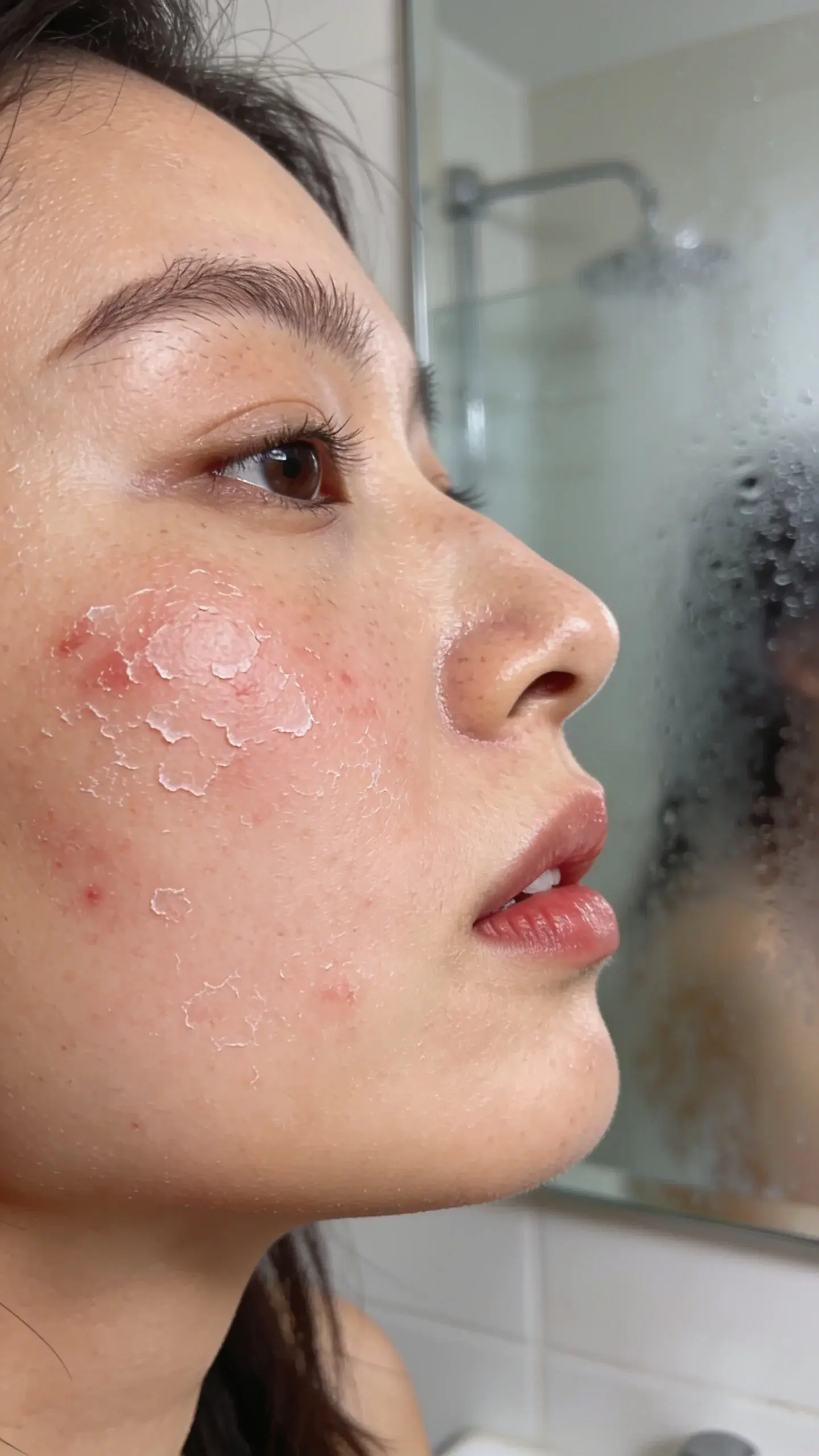
You want fast, non-irritating hydration and barrier repair. Here’s your no-nonsense playbook.
- Switch to a gentle cleanser: Cream or oil cleanser, lukewarm water, 30-second max.
- Mist or pat damp skin: Keep skin slightly wet—hydration layers better.
- Use a humectant serum: Look for glycerin, hyaluronic acid, or panthenol.
- Seal with a barrier cream: Ceramides, cholesterol, fatty acids, squalane, shea butter. Think “rich but not greasy.”
- Spot-occlude the flaky zones: A thin layer of petrolatum or lanolin on problem patches overnight.
- Skip actives for 3–5 nights: No retinoids, AHAs, BHAs, benzoyl peroxide. Your barrier needs a vacation.
Quick SOS Mask
Apply a thick layer of a ceramide or colloidal oatmeal mask for 10–15 minutes, then gently tissue off. No rinsing. Thank me later.
Smart Long-Term Routine (Minimalist, But Effective)
Let’s build a routine that calms flakes and prevents new ones. IMO, consistency beats complexity.
AM Routine
- Cleanse only if needed: Splash with cool water or use a very gentle cleanser.
- Hydration step: Essence or serum with glycerin, hyaluronic acid, or polyglutamic acid.
- Barrier moisturizer: Ceramides + squalane = chef’s kiss.
- Sunscreen (SPF 30+): Look for hydrating formulas with filters your skin tolerates. Mineral can be gentler for some, but try both.
PM Routine
- Gentle cleanse: Oil cleanse if you wear makeup/sunscreen, then a creamy non-foaming cleanser.
- Repair serum (optional): Niacinamide 2–5% or panthenol for barrier support.
- Moisturize generously: Ceramides, cholesterol, urea (2–5%), or shea butter depending on dryness.
- Slug strategically: Thin petrolatum layer on flaky patches, not your whole face nightly (clogs happen).
When To Reintroduce Actives
After 1–2 weeks flake-free, reintroduce retinoids or acids slowly:
- Use a sandwich method: moisturizer → retinoid → moisturizer.
- Start 1–2 nights per week, increase as tolerated.
- Consider retinal or granactive retinoid for gentler results.
Ingredients That Help (And A Few To Avoid)
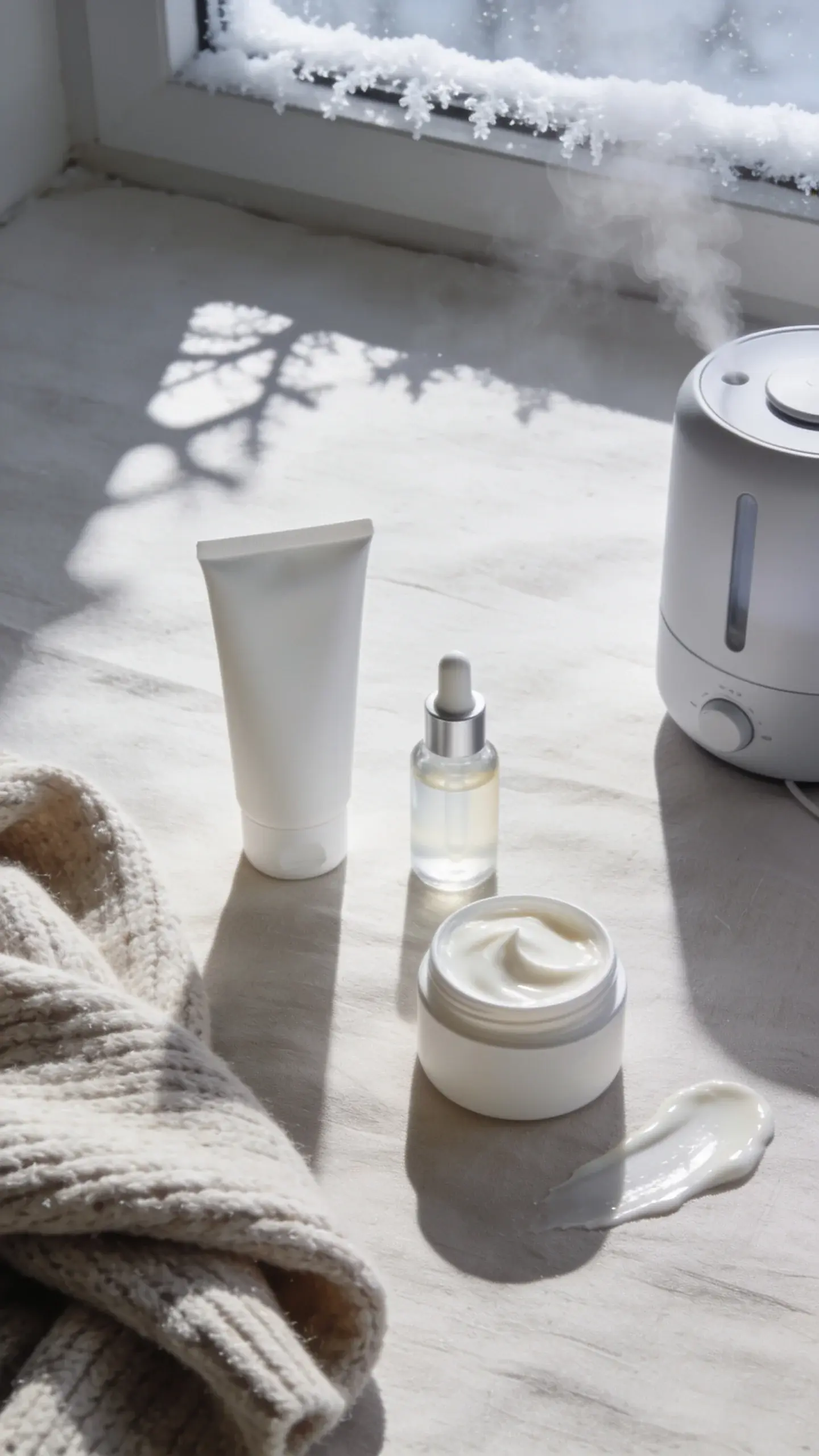
Hero hydrators and barrier buddies:
- Humectants: Glycerin, hyaluronic acid, aloe, panthenol, polyglutamic acid.
- Barrier lipids: Ceramides, cholesterol, fatty acids, squalane.
- Soothers: Colloidal oatmeal, centella, allantoin, bisabolol.
- Exfoliants (gentle and rare): Lactic acid 5–10% or PHA once weekly to lift flakes without wrecking the barrier.
- Urea (2–10%): Hydrates and softens rough patches. Avoid high % on very irritated skin.
Things that often make it worse:
- Alcohol-heavy toners, strong fragrances, menthol, eucalyptus, lemon essential oil.
- Daily scrubs or cleansing brushes (RIP barrier).
- High-strength peels at home when you’re already flaking—nope.
Lifestyle Tweaks That Actually Matter
Small changes, big payoff. FYI, your environment sabotages your skin more than you think.
- Humidifier at 40–50%: Nightstand MVP in winter.
- Shorter, lukewarm showers: Under 10 minutes. Immediately moisturize after.
- Soft fabrics: Swap scratchy scarves and pillowcases for cotton or silk.
- Hydration and healthy fats: Water helps, but add omega-3s (fatty fish, flax, walnuts).
- Sun protection daily: Even when cloudy. UV sneaks in and dries you out.
Makeup Tips So Flakes Don’t Upstage You
- Use a hydrating primer or a thin layer of moisturizer under foundation.
- Choose creams/liquids over powders. Press, don’t rub.
- Carry a facial mist and tap it in with a sponge midday.
When It’s Not “Just Dryness”
If flakes stay put despite good care, consider other players:
- Seborrheic dermatitis: Flaky, greasy patches around nose, brows, hairline. Try a gentle pyrithione zinc or ketoconazole wash, then moisturize.
- Eczema (atopic dermatitis): Itchy, inflamed, sometimes oozing. You may need a short course of a topical steroid or calcineurin inhibitor—see a derm.
- Psoriasis: Thick, silvery scales and redness—also derm territory.
- Hypothyroidism or nutrient gaps: If you’re unusually tired, cold, or losing hair, ask your doctor for labs.
FAQ
Can I exfoliate dry, flaky skin?
Yes, but gently and rarely. Start with a soft washcloth after cleansing or a low-strength lactic acid or PHA once a week. Always follow with a rich moisturizer. If you feel stinging or see redness, back off.
Which moisturizer works best for flakes?
Look for one with ceramides, cholesterol, and fatty acids. Add-ons like urea (2–5%) or squalane help. If you’re very sensitive, pick fragrance-free formulas. Layer a humectant serum underneath for bonus hydration.
Is hyaluronic acid enough?
Not alone. HA pulls water in, but without an occlusive or emollient on top, it can make you feel tighter—especially in dry climates. Pair HA with a ceramide cream and, at night, a little petrolatum on flaky spots.
Do I need to stop retinol forever?
Nope. Pause for a week or two while you repair. Then reintroduce slowly (1–2 nights weekly), buffer with moisturizer, and adjust strength. If flaking returns, reduce frequency. It’s a marathon, not a sprint.
What’s the best cleanser for dry, flaky skin?
A non-foaming cream cleanser or a gentle oil cleanser. Avoid sulfates and aggressive acids. Your face should feel soft after rinsing, not squeaky.
How fast can I fix it?
You’ll often see relief in 24–72 hours with the right routine. Full barrier recovery typically takes 2–6 weeks. Stay consistent, especially with moisturizer and SPF.
The Bottom Line
Dry, flaky skin on your face isn’t a life sentence—it’s a barrier SOS. Treat it kindly: cleanse gently, pile on smart hydration, repair with ceramides, and protect with sunscreen. Go easy on the spicy actives until your skin chills out. Do that, and flakes become a rare guest instead of a permanent roommate. IMO, simple wins every time.