Dry, tight, flaky face? Been there. The right face mask can flip the script from “sandpaper cheeks” to “cloud-skin” fast. Today we’ll break down what actually works, what’s overhyped, and how to stack ingredients like a pro. Grab a mug of something cozy—your skin’s about to drink up the good stuff.
Why Dry Skin Freaks Out (And How Masks Help)
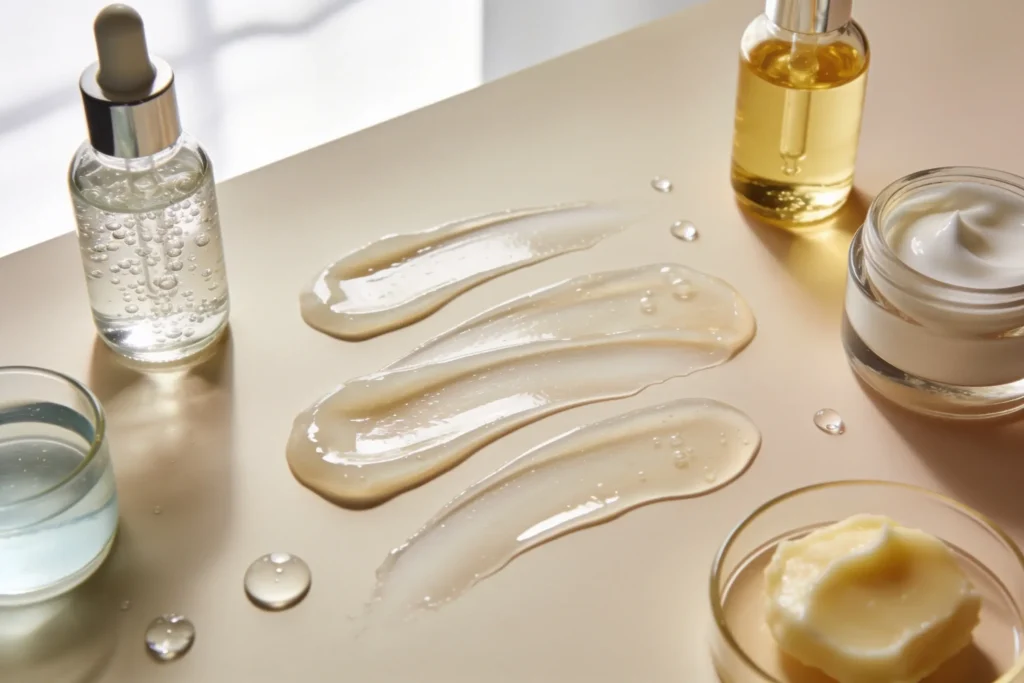
Your skin barrier acts like a bouncer at a VIP club. When it’s strong, moisture stays in and irritants stay out. When it’s damaged, water evaporates and your face gets cranky. Masks help by delivering a burst of humectants (water magnets), emollients (softeners), and occlusives (moisture sealers) all at once.
The Three Hydration Heroes
- Humectants: Hyaluronic acid, glycerin, aloe. They pull water into the skin.
- Emollients: Squalane, ceramides, fatty acids. They smooth and fill micro-cracks.
- Occlusives: Shea butter, lanolin, petrolatum. They lock everything in. Use sparingly if you’re acne-prone.
Star Ingredients Your Dry Skin Will Love
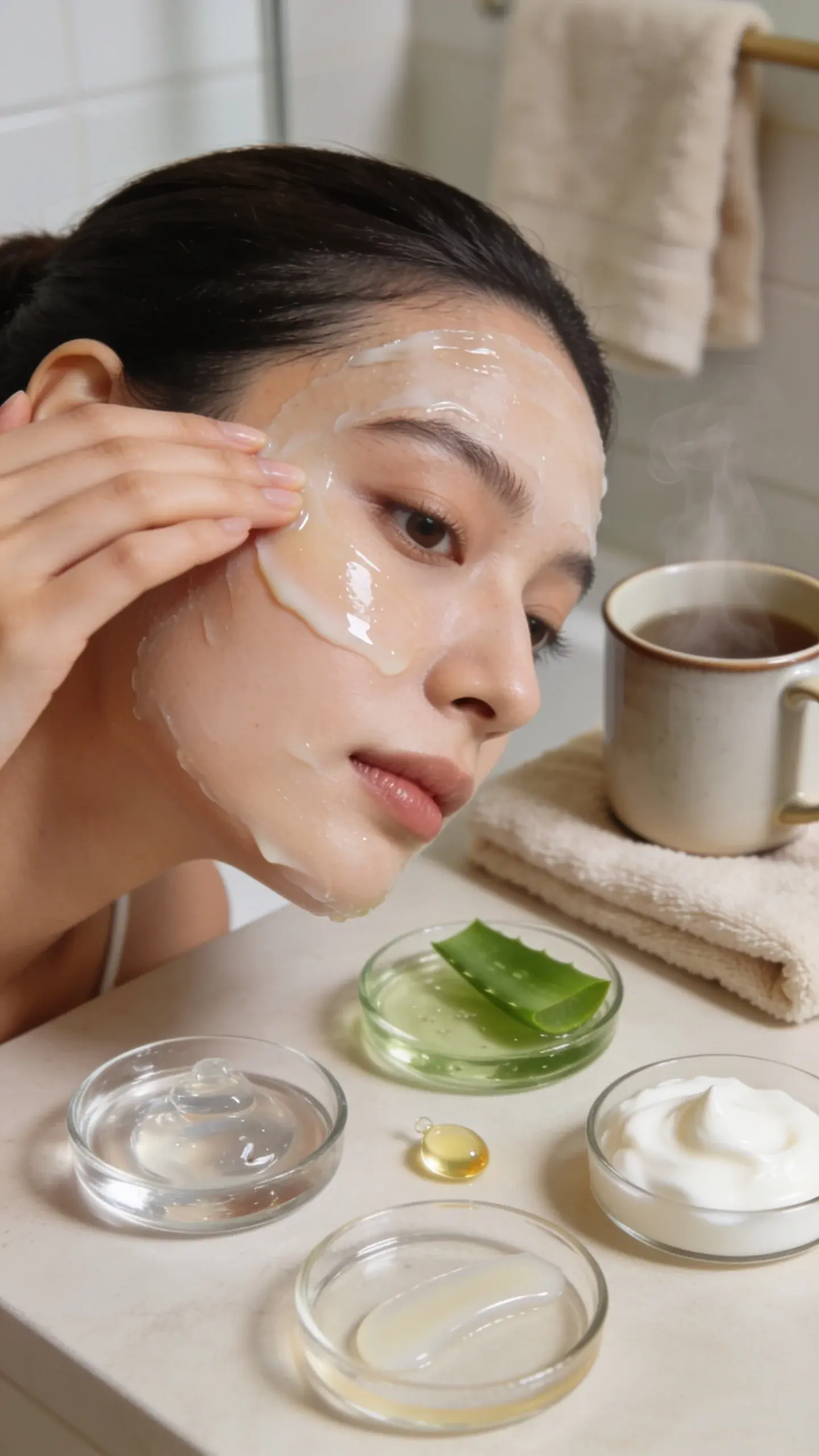
Dry skin doesn’t want drama—it wants soothing, softening, and long-lasting moisture. Aim for masks featuring these:
Top Hydrators
- Hyaluronic Acid (multiple weights): Draws water into different skin layers for juicy bounce.
- Glycerin: Budget-friendly, wildly effective, plays nice with everything.
- Aloe Vera: Calms heat and irritation while hydrating—great after sun or windburn.
Barrier Builders
- Ceramides: Replace what your skin naturally loses with age and over-cleansing.
- Niacinamide (2–5% in masks): Strengthens the barrier and reduces redness. Gentle and versatile.
- Panthenol (Vitamin B5): Soothes and supports repair. It’s like a cuddle for your skin barrier.
Rich Nourishers
- Squalane: Lightweight oil that mimics skin’s natural lipids—non-greasy and fast-absorbing.
- Shea Butter: Deeply nourishing, especially for flakiness. Patch test if you’re breakout-prone.
- Oat (colloidal oatmeal, beta-glucan): Reduces itchiness and strengthens hydration. Sensitive-skin MVP.
Gentle Brighteners (So You Don’t Look Dull)
- Lactic Acid (low %): Mild exfoliation plus hydration—great for flaky patches.
- Licorice Root Extract: Calms and brightens without irritation. Subtle but effective.
- Arbutin or Azelaic Acid (low %): For uneven tone, but keep it gentle—dry skin hates overdoing it.
Masks That Actually Work For Dry Skin
Let’s talk formats and when to use them. Not all masks hustle the same way.
Cream Masks
- Best for: Deep, lasting moisture and soothing.
- What to look for: Ceramides, squalane, shea butter, panthenol.
- How to use: 2–3 times per week, 10–20 minutes, then rinse or tissue off if the brand says so.
Sleeping Masks (Overnight)
- Best for: Locking in your nighttime routine for an a.m. glow-up.
- What to look for: Occlusives + humectants combo. Think glycerin + shea + ceramides.
- How to use: Apply a thin layer as last step. Wake up dewy, not greasy—if you’re shiny, you used too much.
Sheet Masks
- Best for: Quick hydration hits and calming redness.
- What to look for: Hyaluronic acid, aloe, panthenol, beta-glucan.
- Pro tip: Seal the leftover essence with a light moisturizer after removing. Don’t wash it off.
Gel Masks
- Best for: Dehydrated but breakout-prone dry skin—cooling and light.
- What to look for: Glycerin, aloe, cucumber, allantoin.
How To Build A Mask Routine (Without Overdoing It)
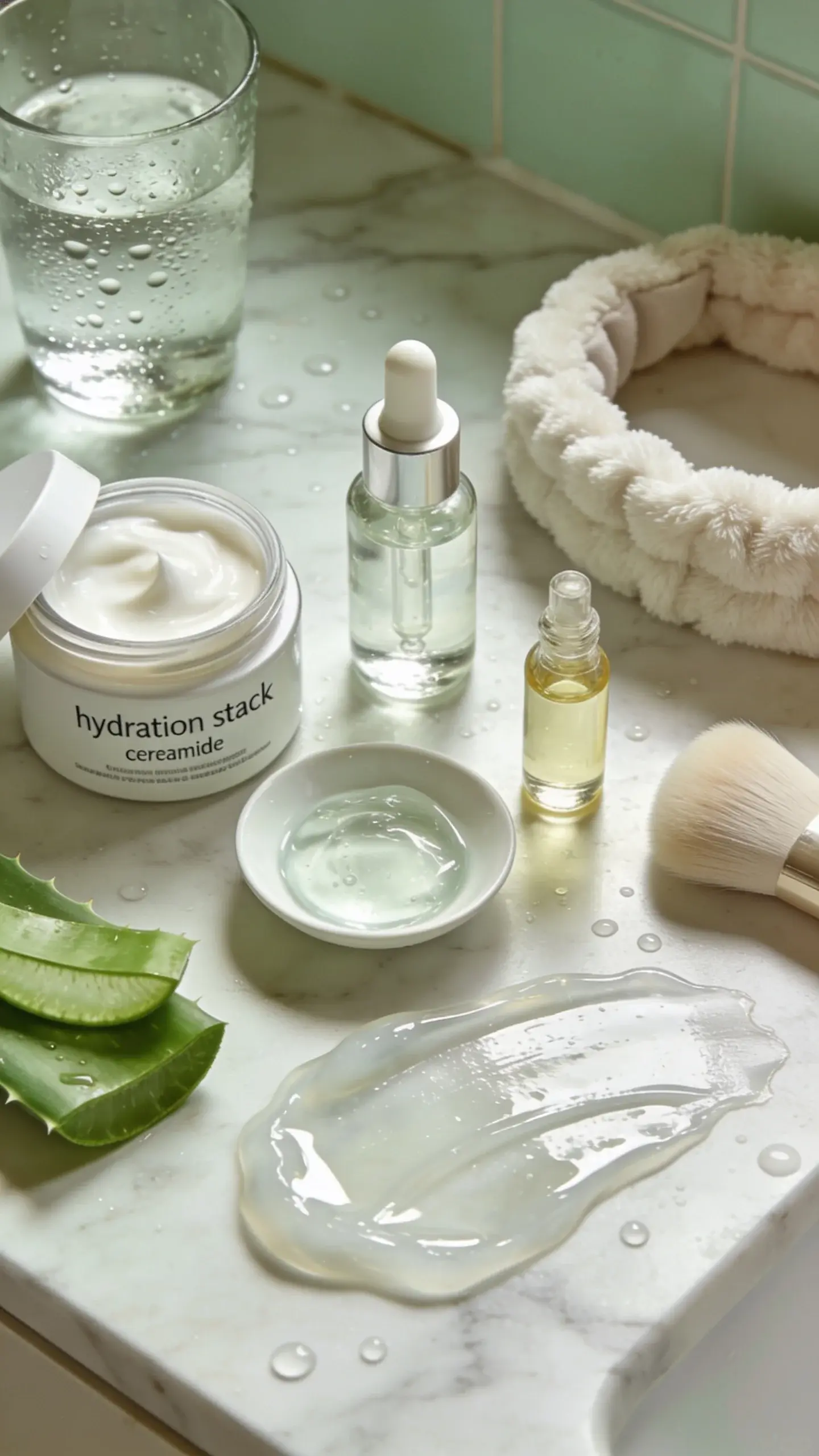
You want hydrated, balanced skin—not a moisturizer hangover. Here’s a simple plan:
- Start with a gentle cleanse: Cream or milk cleanser. Avoid foaming washes with harsh sulfates.
- Apply mask: 10–20 minutes for cream or gel; 15–20 for sheet; overnight for sleeping masks.
- Rinse or remove: Follow product directions—don’t second-guess.
- Seal it in: Light hydrating serum (optional), then moisturizer. Add a few drops of squalane if you’re extra dry.
- Frequency: 2–4 times per week, depending on how parched you feel. IMO, more than that = diminishing returns.
Pro Moves
- Slug strategically: If you’re desert-dry, add a thin occlusive layer (like petrolatum) over your night mask on cheeks only.
- Spot treat flakes: A dab of lactic acid mask on rough patches for 3–5 minutes, then rinse and nourish.
- Temperature matters: Use lukewarm water. Hot water = instant moisture robbery.
Ingredients To Avoid (Or At Least Treat Carefully)
Even “hydrating” masks can sneak in stuff that ticks off dry skin. FYI, not all of these are evil; they just need caution.
- High Alcohol Denat: Can dehydrate fast. Small amounts are fine, high up the list is a nope.
- Strong Fragrance/Essential Oils: Lovely scent, possible irritation. Choose fragrance-free if you’re sensitive.
- High-Strength Acids/Retinoids: Save them for serums, not your hydrating mask night.
- Clay Masks (unless creamy and buffered): Kaolin/bentonite can over-dry. If you must, mix with honey or a hydrating mask.
DIY Dry Skin Face Mask Ideas (When Your Skin Screams “Help!”)
Keep it simple, patch test first, and don’t whip up a science project in your kitchen.
Honey + Yogurt Glow Mask
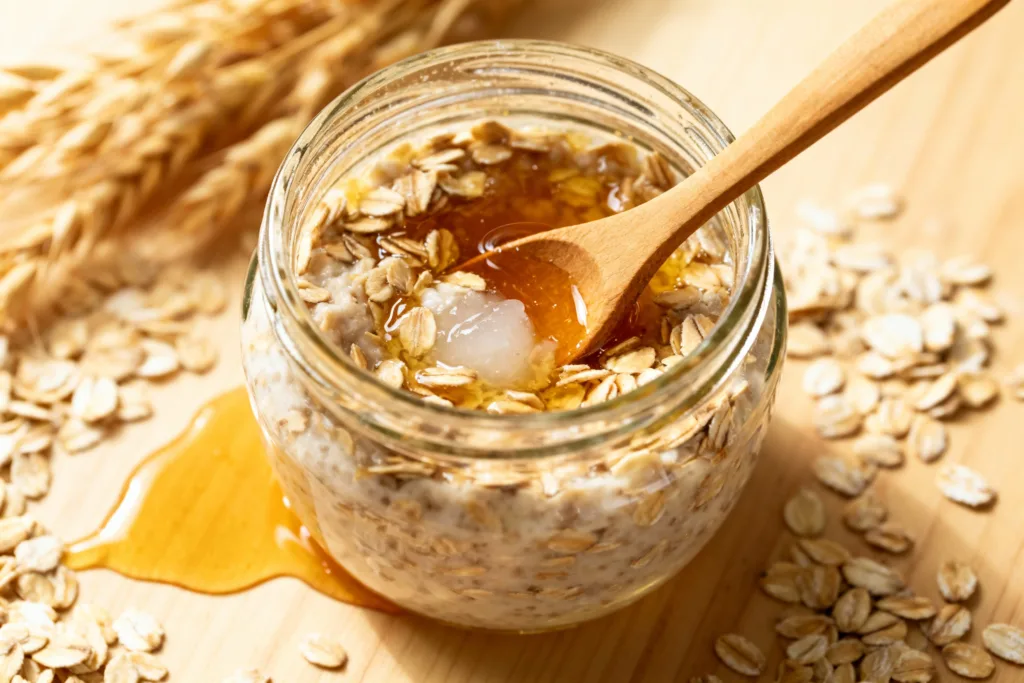
- Why it works: Honey hydrates and soothes; yogurt’s lactic acid smooths gently.
- How: 1 tbsp honey + 1 tbsp plain yogurt. Apply 10 minutes, rinse.
Oat + Aloe Calm Balm
- Why it works: Oat reduces itch; aloe hydrates and cools.
- How: 1 tbsp finely ground oats + 2 tbsp aloe gel. 15 minutes, rinse with lukewarm water.
Squalane Sandwich
- Why it works: Humectant layer + oil layer = happy barrier.
- How: Sheet mask first, then a few drops of squalane to seal in. Chef’s kiss.
FAQ
How often should I use a dry skin face mask?
Aim for 2–4 times per week. If your skin feels soft and calm, you’re good. If you get redness or tightness, scale back. More is not better—consistency is.
Can I use a hydrating mask with retinol in the same routine?
Yes, but stagger. Do retinol one night, hydrating mask the next. If you mix them, keep the mask super simple and fragrance-free.
Are sheet masks wasteful compared to jars or tubes?
Single-use can feel extra, but they’re clutch for quick fixes. If you want less waste, try wash-off cream masks or reusable silicone sheet mask covers over your own serum or essence.
What’s the difference between dehydrated and dry skin?
Dry skin lacks oil; dehydrated skin lacks water. You can be both (yay?). Use humectants for water, emollients for softness, and a touch of occlusive to lock it all in.
Do I need to rinse off hydrating masks?
Follow the label. Many cream masks want a rinse or tissue-off after 10–20 minutes. Sleeping masks stay on. When in doubt, rinse lightly and moisturize.
Will occlusive ingredients clog my pores?
Not necessarily. Petrolatum is non-comedogenic, but heavy layers can feel suffocating. Apply thinly and focus on the driest zones. Listen to your skin—if bumps appear, dial back.
Conclusion
Dry skin doesn’t need a 25-step routine; it needs the right mix of humectants, emollients, and occlusives delivered consistently. Pick masks with ceramides, glycerin, hyaluronic acid, squalane, and oats, and skip the harsh extras. Build a simple weekly rhythm, seal everything in, and let your barrier do its job. IMO, the best glow is the one that sticks around—even after you wash your face.