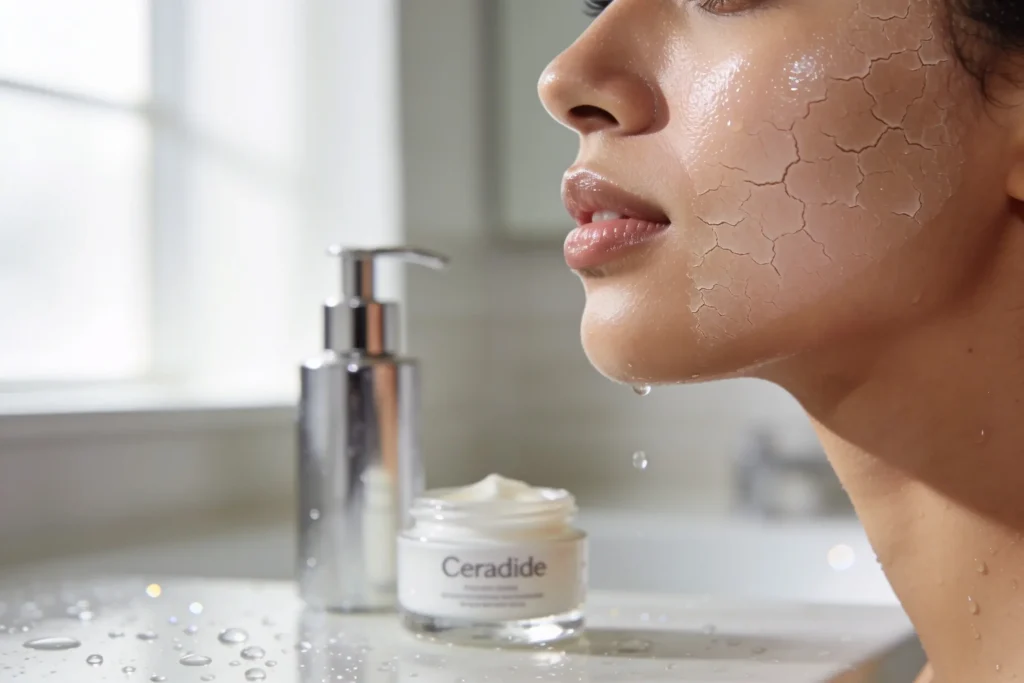
Dry, flaky face driving you up the wall? You can fix it without nuking your skin barrier or buying a 37-step routine. I’ll show you what actually works, what to skip, and how to get that comfy, smooth skin feeling again. Short version: simplify, hydrate, protect—then glow.
First, What Even Is Your Skin Barrier?
Your skin barrier is the top layer (the stratum corneum) that keeps moisture in and irritants out. Picture bricks and mortar: dead skin cells are the bricks, lipids are the mortar. When it’s damaged, you get dryness, redness, tightness, and that “everything stings” moment. Not cute.
Core Barrier-Supporting Ingredients
- Ceramides: Rebuild the “mortar” between skin cells.
- Cholesterol + Fatty Acids: Team players with ceramides for resilience.
- Hyaluronic Acid + Glycerin: Humectants that pull in water (layer under an occlusive).
- Niacinamide (2–5%): Calms, reduces TEWL (water loss), supports barrier repair.
- Petrolatum/Squalane: Seal moisture in without drama.
Your No-Drama Routine That Actually Works
Keep it simple for 2–4 weeks. Your skin loves routine, not chaos.
AM Routine
- Gentle Cleanse (optional): If you’re not greasy, splash with lukewarm water only. If cleansing, use a creamy, fragrance-free cleanser.
- Hydrating Layer: Apply a humectant serum (hyaluronic acid/glycerin). Use on damp skin.
- Barrier Cream: Ceramide-rich moisturizer. Press, don’t rub.
- Sunscreen: SPF 30+ every day. Mineral filters (zinc, titanium) feel gentler on irritated skin.
PM Routine
- Cream Cleanser: Lukewarm water, 30 seconds, no scrubbing.
- Hydrator: Same humectant serum. If very dry, skip serum and go straight to moisturizer.
- Moisturizer: Ceramides + cholesterol + fatty acids.
- Seal (optional): A thin layer of petrolatum or squalane over cheeks or flaky spots. Not a full-on slug unless needed.
Exfoliation: Yes, But Not Like That
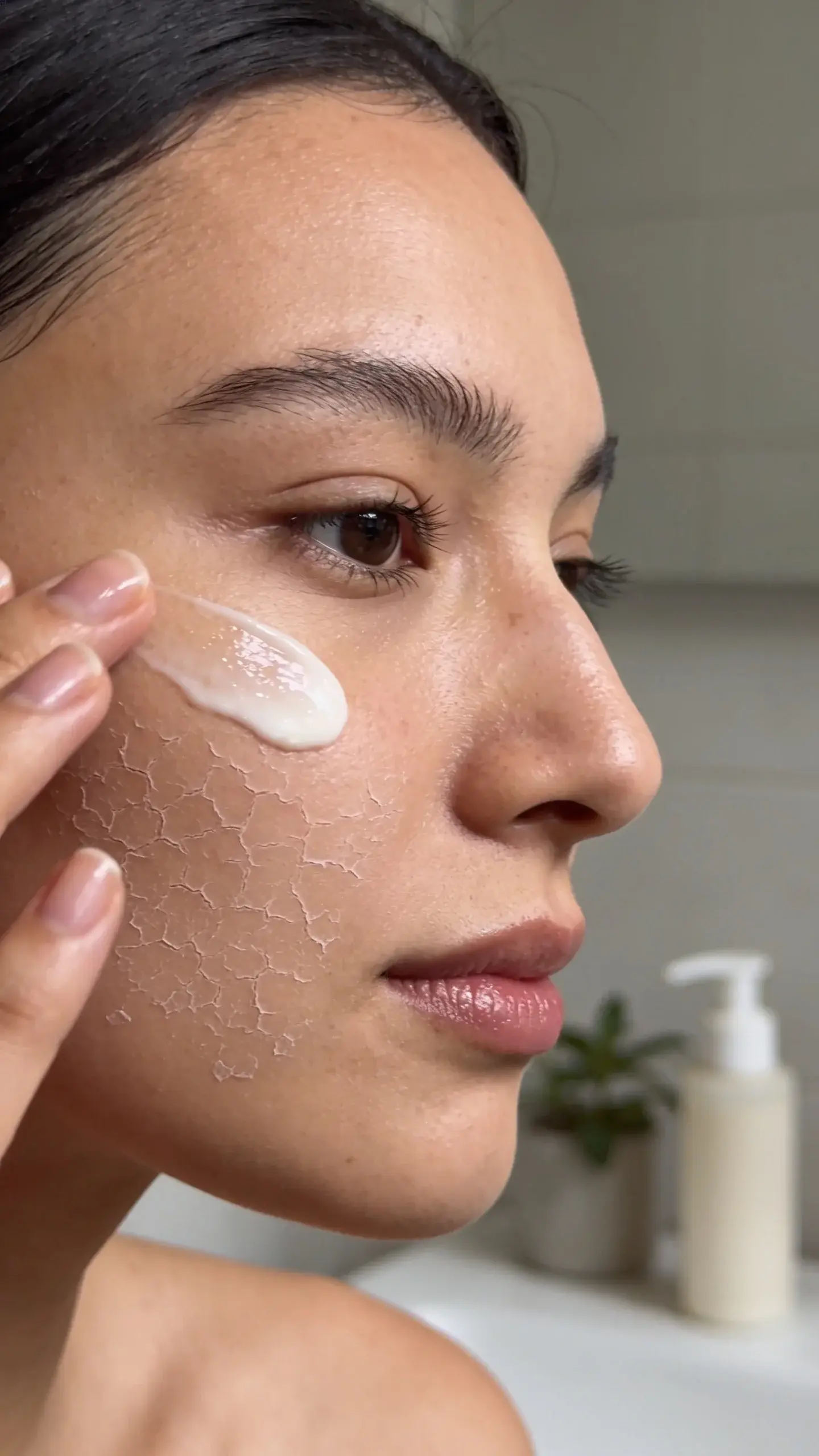
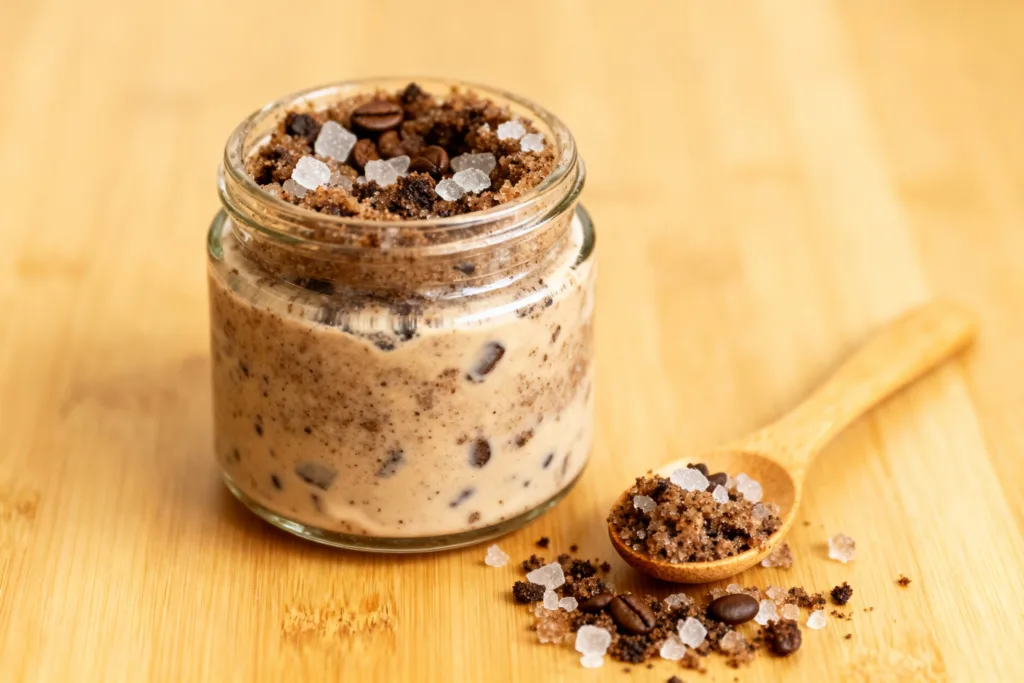
Over-exfoliation = instant barrier drama. You don’t need to grind your face like it’s a cutting board.
Safe Exfoliation Rules
- Frequency: 1x/week max while dry; maybe 2x when healed.
- Type: Choose a PHA (gluconolactone, lactobionic acid) or a very gentle lactic acid at low strength.
- Skip if Stinging: If your skin protests, back off. Simple.
- Buffer: Apply a light moisturizer first, then exfoliant. Rinse after 5–10 minutes.
Ingredients to Pause While You Repair
When the barrier’s cranky, simplify. IMO, it’s the fastest path to results.
- Retinoids: Pause 1–2 weeks. Reintroduce 1–2 nights/week with a buffer cream.
- Strong Acids (AHA/BHA): Put them on hold. Your face isn’t a science experiment.
- Benzoyl Peroxide: If you must use it, use a low strength and spot treat only.
- Fragrance/Essential Oils: Cute for candles, not for compromised skin.
- Hot Water + Harsh Towels: Lukewarm water only; pat dry.
Moisturizer Matchmaking: Pick What Your Skin Actually Wants
Not all moisturizers play the same role. Stack them smartly.
Build a Moisture Sandwich
- Humectant Layer: Hyaluronic acid, glycerin, panthenol to attract water.
- Emollient Layer: Squalane, triglycerides, shea butter to smooth and soften.
- Occlusive Layer: Petrolatum, dimethicone to lock it in (thin layer only).
For Different Skin Types
- Oily but Dehydrated: Lightweight gel-cream with glycerin/HA + a drop of squalane on dry spots.
- Dry-Dry: Rich cream with ceramides, cholesterol, shea, and a touch of petrolatum at night.
- Sensitive/Red: Fragrance-free, short INCI list, niacinamide 2–4%, no essential oils.
Little Lifestyle Tweaks That Make a Big Difference
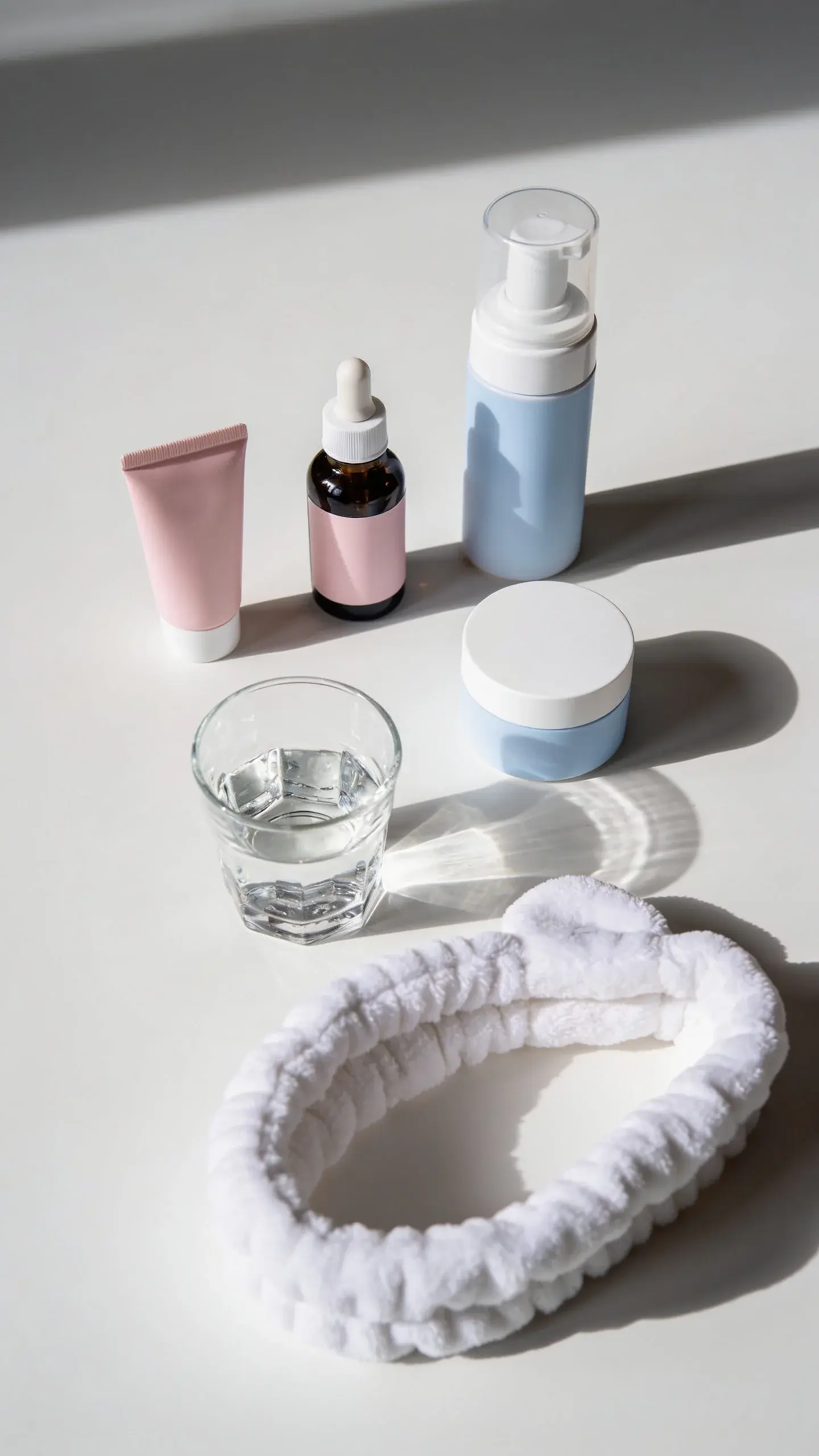
Small shifts = major payoff. FYI, your environment sabotages your face more than you think.
- Humidifier: Aim for 40–50% indoor humidity, especially in winter.
- Shower Strategy: 5–10 minutes, lukewarm, moisturize within 60 seconds after.
- SPF Daily: UV breaks down barrier lipids. Protect or repeat the dry-skin cycle forever.
- Diet and H2O: Eat omega-3s (salmon, walnuts) and drink water steadily. It won’t “erase” dryness, but it helps the vibe.
- Pillowcase/Towels: Soft fabrics, no fabric softener residue on things that touch your face.
How to Reintroduce Actives Without Wrecking Things
You healed your barrier—now keep it that way.
Retinoid Game Plan
- Week 1–2: 1 night/week, pea-sized amount, buffer with moisturizer under and over.
- Week 3–4: 2 nights/week if zero irritation.
- Maintenance: 2–3 nights/week works for most people. More isn’t always better.
Vitamin C and Acids
- Vitamin C: Start with a gentle derivative (SAP/MAP) if pure LAA stings. Morning only, under SPF.
- AHAs/BHAs: Reintroduce once weekly max, at low strength. Listen to your skin, not the hype.
Product Cheatsheet (Budget to Bougie)
No sponsorships here—just options. Always patch test.
- Cleansers: CeraVe Hydrating Cleanser; La Roche-Posay Toleriane Hydrating; Krave Matcha Hemp (light, non-stripping).
- Hydrators: The Ordinary HA + B5; Geek & Gorgeous HA 5; Vichy Mineral 89 (lightweight, nice under makeup).
- Moisturizers: CeraVe Moisturizing Cream; Vanicream Daily Moisturizer; Skinfix Barrier+; Dr. Jart Ceramidin.
- Oils/Occlusives: The Ordinary Squalane; Aquaphor (thin layer only); Avene Cicalfate+ for hotspots.
- Sunscreen: La Roche-Posay Anthelios Melt-In Milk; Beauty of Joseon Relief Sun (lightweight); EltaMD UV Clear (niacinamide, great for fussy skin).
- Gentle Exfoliants: The Inkey List PHA Toner; Biossance Squalane + Lactic Acid (use sparingly); Glossier Solution is too strong here—skip for now.
FAQ
How long does it take to fix a damaged skin barrier?
Most people feel relief in 3–7 days with a simple routine and zero irritants. Deeper repair can take 2–6 weeks. Consistency beats fancy, IMO.
Can I still wear makeup while healing dry skin?
Yes—choose hydrating formulas and avoid alcohol-heavy primers. Prep with a ceramide cream and a drop of squalane on flaky spots. Remove gently with a cream cleanser or a mild balm, not wipes.
Is slugging good for dry facial skin?
Slugging helps when used strategically. Apply a thin layer of petrolatum over moisturizer on dry patches, not as a suffocating mask nightly. If you’re acne-prone, spot-slug only.
Do I need a toner?
Nope. If you love one, pick a fragrance-free hydrating toner with glycerin or panthenol. Skip anything that tingles “for fun.”
Why does my skin feel tight after cleansing?
Your cleanser probably strips your lipids or your water is too hot. Switch to a creamy, low-foaming cleanser and keep water lukewarm. Tightness = barrier saying “please stop.”
Can diet fix dry skin?
Diet won’t replace moisturizer, but omega-3s and steady hydration support skin from the inside. Pair salmon, flax, or walnuts with a solid topical routine for best results.
Conclusion: Calm Skin, Happy You
You don’t need a complicated routine to ditch dry, tight, flaky skin. Cleanse gently, hydrate smart, moisturize with barrier-loving lipids, and protect with SPF. Keep it simple for a few weeks, then add actives back carefully. Your skin barrier will thank you—and so will your mirror.