Sunscreen often feels like a necessary evil, especially when your face already feels like the Sahara. Good news: you can protect your skin without turning it into a chalky, flaky mess. We’re breaking down how to find a sunscreen that hydrates, plays nice under makeup, and doesn’t sting or pill. Ready to end the tight-skin struggle? Let’s go.
Why Dry Skin Needs a Different Sunscreen Game
Dry skin doesn’t just want protection; it wants comfort. Many sunscreens focus on oil control and end up sucking every last drop of moisture from your face. That’s why formulas matter just as much as SPF numbers. If you find yourself reapplying and feeling tighter each time, the formula isn’t serving you.
What To Look For: Ingredients That Love Dry Skin
You want sunscreens that treat dryness like the main character. Look for these MVPs:
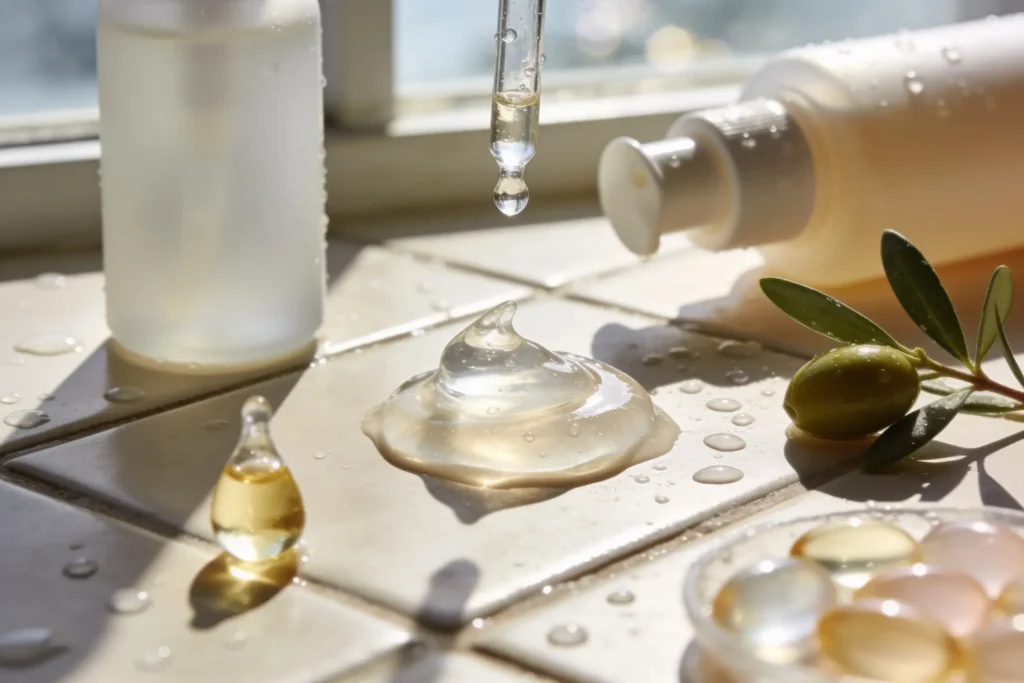
- Hyaluronic Acid: Pulls water into the skin for plumpness. Think instant bounce.
- Glycerin: The unsung hero humectant that keeps hydration locked in all day.
- Squalane: Lightweight oil that mimics skin’s natural lipids. Non-greasy, just silky.
- Ceramides: Support your skin barrier so it stops leaking moisture like a broken faucet.
- Niacinamide: Calms, brightens, and supports barrier health without irritation.
- Panthenol (Vitamin B5) and Allantoin: Soothe and soften, perfect for tight, flaky patches.
- Mineral Filters With Buffers: Zinc oxide with hydrators can be amazing for sensitive, dry types.
Texture Types That Usually Work Best
- Creams and Lotions: Richer textures absorb slowly and feel cushy under makeup.
- Hybrid or Serum Sunscreens: Combine mineral and chemical filters in a silky base—great slip, no drag.
- Moisturizer + SPF Combos: Convenient for lazy mornings, as long as you use enough.
Filters: Mineral vs. Chemical—Which Feels Better?
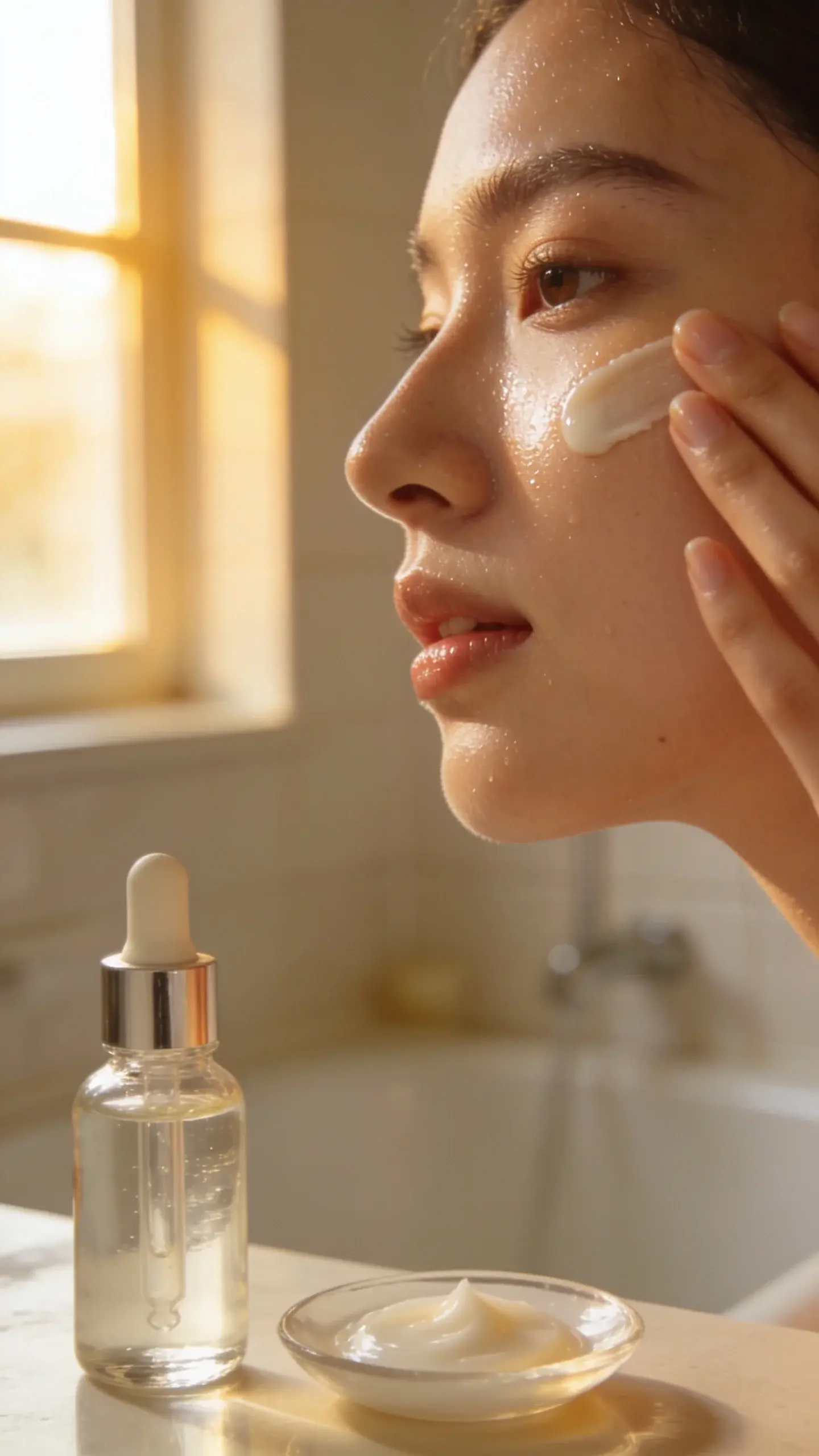
Both can work for dry skin. The winner depends on comfort and sensitivity.
- Mineral (Zinc Oxide, Titanium Dioxide): Gentle, great for redness-prone or reactive skin. Can feel thicker, but modern versions with emollients feel lovely.
- Chemical (e.g., Tinosorb S/M, Uvinul A Plus, Uvinul T 150, Mexoryl SX/XL, Avobenzone): Often silkier and more transparent. Great under makeup. If certain filters sting, try newer-gen filters or mineral-hybrid blends.
SPF and PA/UV Ratings You Actually Need
- SPF 30 minimum for daily life; SPF 50 if you’re outdoors a lot.
- Look for broad-spectrum and a strong UVA rating (PA++++ or high UVA-PF) to protect against aging and hyperpigmentation.
What To Avoid: Drying or Irritating Traps
Some sunscreens low-key sabotage your moisture barrier. IMO, steer clear of:
- High Alcohol Denat. near the top of the ingredient list—can feel weightless but often leaves you drier by noon.
- Matte/Oil-Control Claims—usually code for powders or absorbents that drink your moisture.
- Fragrance/Essential Oils if you’re sensitive or flaky; they can sting compromised barriers.
- Overly Silicone-Heavy Formulas if they pill with your moisturizer. A bit is fine; too much causes slip without hydration.
- Harsh Acids in SPF—save strong exfoliants (like high % AHAs) for nighttime, not mixed into your sunscreen step.
Application Hacks So Your SPF Feels Like Skincare
You can have the perfect formula and still hate it if you apply it wrong. Try these:
- Moisturize first: Use a hydrating serum + creamy moisturizer. Let it set 2–5 minutes.
- Use enough: Two finger-lengths for face and neck. FYI, skimping kills protection.
- Layer, don’t rub: Press or gently spread to avoid pilling.
- Reapply smart: Use a hydrating SPF stick, mist, or cushion over makeup every 2–3 hours.
- Barrier helpers: If you’re super dry, add a ceramide cream at night and a few drops of squalane before SPF in the morning.
Makeup Compatibility Tips
- Choose glowy or satin SPF bases under radiant foundations.
- Use a hydrating primer if your SPF leans dewy but you want smooth grip.
- Powder sparingly—just T-zone. Over-powdering = desert vibes.
Reading Labels Like a Pro
Want to nail it in 30 seconds at the store?
- Scan for Hyaluronic Acid, Glycerin, Squalane, Ceramides, Panthenol in the first half of the list.
- Check filters: comfort-first picks include Zinc Oxide (with emollients) or Tinosorb/Uvinul/Mexoryl blends.
- Avoid top-three Alcohol Denat. if you’re tight or flaky.
- Look for claims like Moisturizing, Hydrating, Cream, Lotion, Dewy, Comfort.
- Skip “Oil-Control,” “Matte,” or “Dry Touch” unless you like the parchment look.
Seasonal and Lifestyle Tweaks
Your SPF wardrobe can change with the weather. In winter, choose a richer cream SPF with ceramides and squalane. In summer, go for a light lotion or serum SPF with glycerin and hyaluronic acid. Indoors a lot? Still wear SPF—UVA sneaks through windows like a nosy neighbor.
Sensitive, Eczema-Prone, or Rosacea?
Pick fragrance-free mineral or gentle hybrid formulas with zinc oxide, niacinamide, and ceramides. Patch test along the jawline for two days. If it tingles or reddens, try another base—sunscreen should never feel spicy.
FAQs
Can I just use a moisturizer with SPF if I have dry skin?
Yes, if you apply enough. The catch: people under-apply combo products. Use two finger-lengths for face and neck. If you love a separate sunscreen, layer it over your regular moisturizer for max comfort.
Do mineral sunscreens always look chalky on dry skin?
Not anymore. Newer mineral formulas use micronized zinc and creamy bases with squalane or glycerin. If white cast worries you, try a tinted mineral option—it blends better and doubles as a sheer base.
How do I reapply sunscreen without drying my makeup?
Use a hydrating SPF mist or a cushion compact with SPF for gentle top-ups. SPF sticks also work—press, don’t drag. A light mist of facial spray before reapplying helps everything glide.
Why does my sunscreen pill over my moisturizer?
Usually texture conflict or too much silicone. Let skincare set, then apply SPF in thin layers. If pilling continues, switch to a less silicone-heavy sunscreen or a lighter moisturizer underneath.
Is SPF 50 always better than SPF 30?
SPF 50 blocks a bit more UVB than SPF 30, which helps if you’re outside a lot or have pigmentation concerns. But the biggest factor is how much you apply and reapply. A well-applied SPF 30 beats a stingy SPF 50 application every time, IMO.
Can I skip sunscreen if my foundation has SPF?
Nope. Makeup with SPF usually doesn’t get applied in protective amounts. Wear a dedicated sunscreen underneath, then let your foundation do its pretty thing.
Conclusion: Hydration First, Protection Always
You don’t have to choose between sun safety and comfy skin. Pick hydrating ingredients, avoid drying alcohols and matte claims, and layer smartly. With the right formula, your sunscreen can double as your favorite daytime moisturizer—no tightness, no flakes, just glow. FYI: the best sunscreen is the one you’ll wear every day, and now you’ve got options you’ll actually enjoy.