Let’s be real: dry skin plus makeup can feel like frosting a crumbling cake. You want glow, not flakes. The good news? With the right prep and a few smart swaps, you can pull off a buttery-smooth, lit-from-within base. These tips keep makeup comfy, not crusty, and help you look fresh for hours.
Start With Skin: Hydrate Like You Mean It
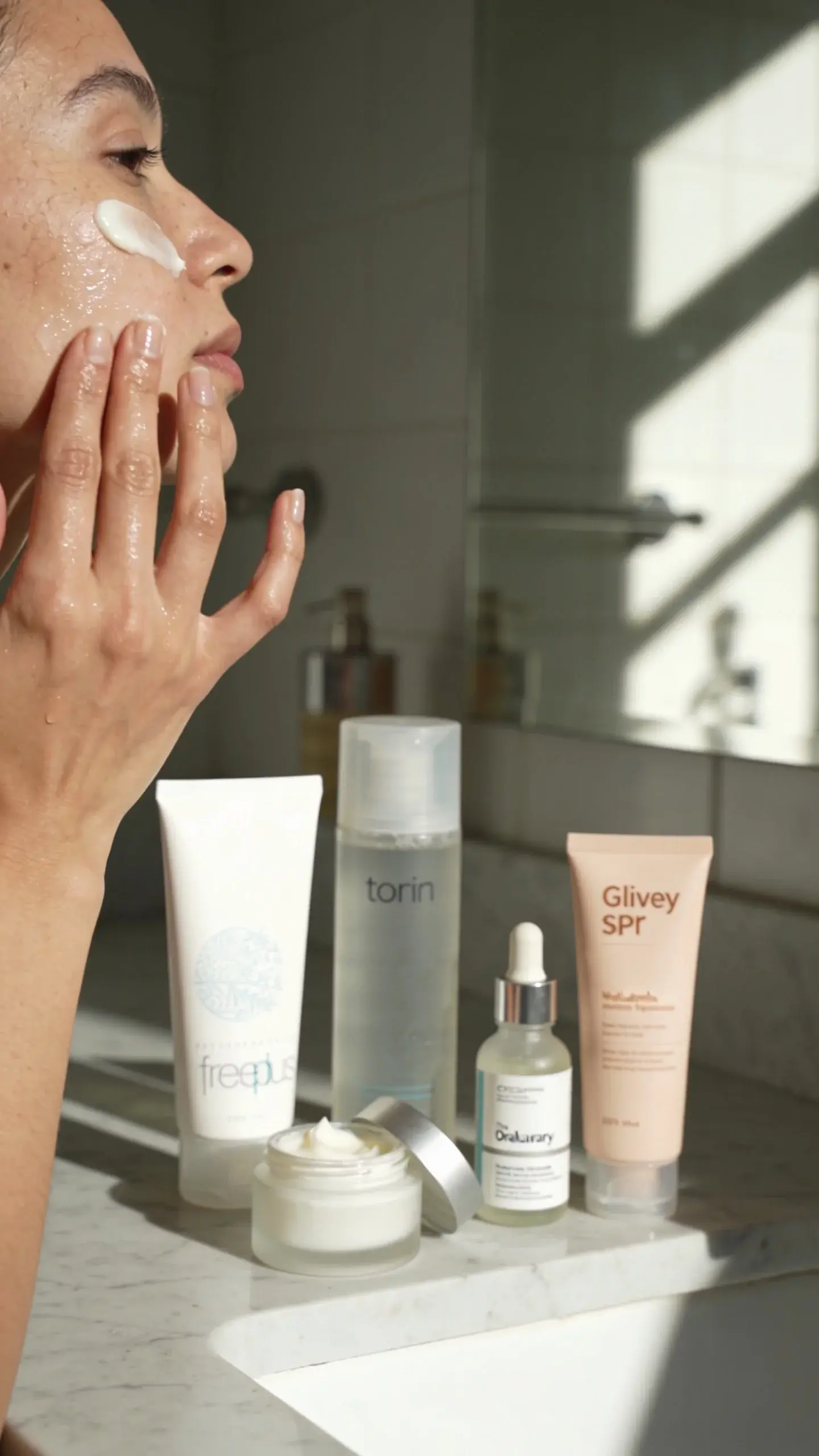
Your foundation will only look as good as what’s underneath. Think of hydration as primer’s cooler, smarter cousin.
- Cleanse gently: Use a cream or gel cleanser that doesn’t strip. No squeaky-clean faces here.
- Layer hydration: Apply a hydrating toner or essence, then a serum with hyaluronic acid or glycerin.
- Seal it in: Use a rich moisturizer that leaves a slight slip. If you feel tugging, you need more.
- Don’t skip SPF: Choose a hydrating, dewy sunscreen. Your future self will thank you.
Pro Move: The Sandwich Technique
Apply mist → serum → moisturizer → mist again. That little mist sandwich boosts water content and helps layers mesh so makeup glides on. FYI, avoid alcohol-heavy mists that evaporate too fast.
Prime For Comfort, Not Just Grip
You don’t need pore cement. You need slip, radiance, and a little smoothing.
- Choose a hydrating primer: Look for squalane, glycerin, or light oils to cushion dry patches.
- Target texture: If you have flakes around the nose or between brows, tap a tiny amount of balm primer just there.
- Avoid matte, long-wear primers: They’ll drink your dew and emphasize lines. Hard pass.
Mixology Tip
Blend one pump of primer with one pump of foundation on the back of your hand. It thins coverage slightly but looks skinlike and comfortable—IMO, worth it.
Choose Foundations That Love Dry Skin
Dry skin craves flexible, emollient formulas. Think medium coverage that bends with your face, not plaster that cracks by lunch.
- Go radiant or natural finish: Words like “glow,” “serum,” “hydrating,” or “skin tint” are your green flags.
- Skip powders-in-disguise: Ultra-matte or “24-hour” claims often equal tightness and texture.
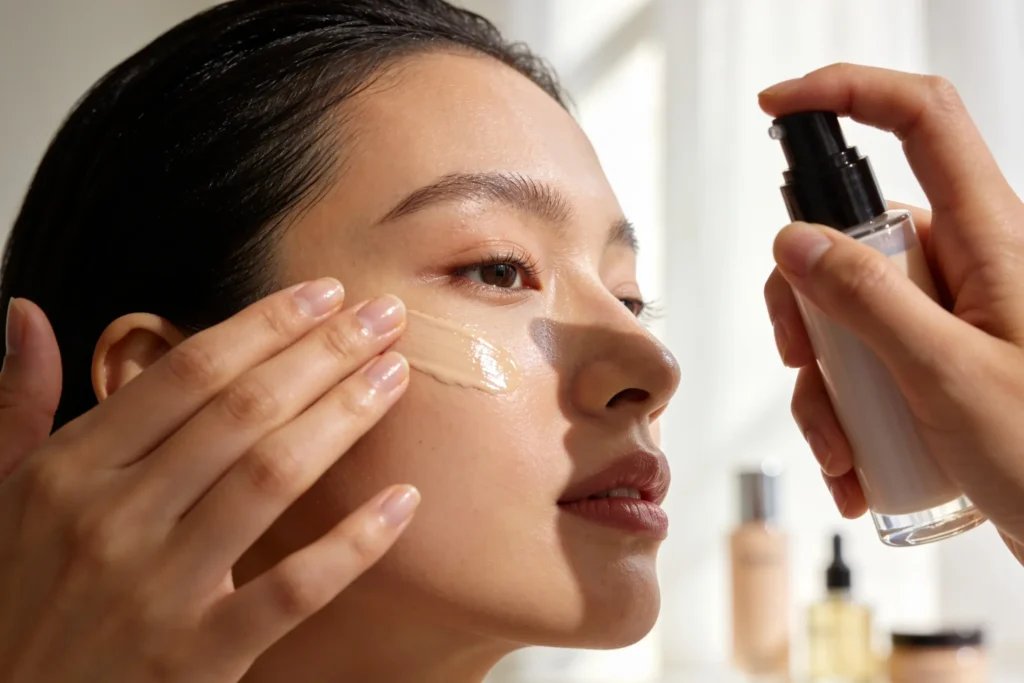
- Test shade + texture: Swatch on the cheek, wait 10 minutes to see if it clings or pills over your moisturizer.
Application Matters
Use a damp sponge for sheer, bouncy coverage or a dense brush with circular motions for more oomph. Then press with palms to melt edges. Warmth helps everything settle—yes, your hands are tools.
Conceal Without The Crease
Concealer loves to announce every fine line if you overdo it. Let’s not.
- Hydrate first: Tap a thin layer of eye cream and let it sink for 2–3 minutes.
- Use less than you think: Dot only where you see darkness—inner corner and just under the eye.
- Choose creamy, stretchable formulas: Serum or radiant concealers beat thick, high-coverage sticks.
- Set strategically: If you crease, use a whisper of finely milled powder only where lines form.
The “Melt-Then-Set” Trick
After blending, wait 30 seconds, then gently press with a clean fingertip to smooth any settling. Set with a tiny bit of powder on a teeny brush. Done.
Creams Over Powders (Mostly)
Cream and liquid products keep the glow train running. Powders can sit on top and shout “texture!” if you’re not careful.
- Blush: Choose creamy or gel formulas. Tap on with fingers or a sponge for a flushed-from-within vibe.
- Bronzer: Go cream for seamless warmth. Apply after foundation, before any powder.
- Highlighter: Opt for balmy or liquid highlights. Avoid chunky shimmer—go for sheen, not sparkle fallout.
Powder, But Make It Minimal
You can powder the T-zone or under-eyes lightly. Use a soft brush and the tiniest amount. Press, don’t sweep, to avoid lifting your base.
Fix Flakes And Texture Mid-Routine
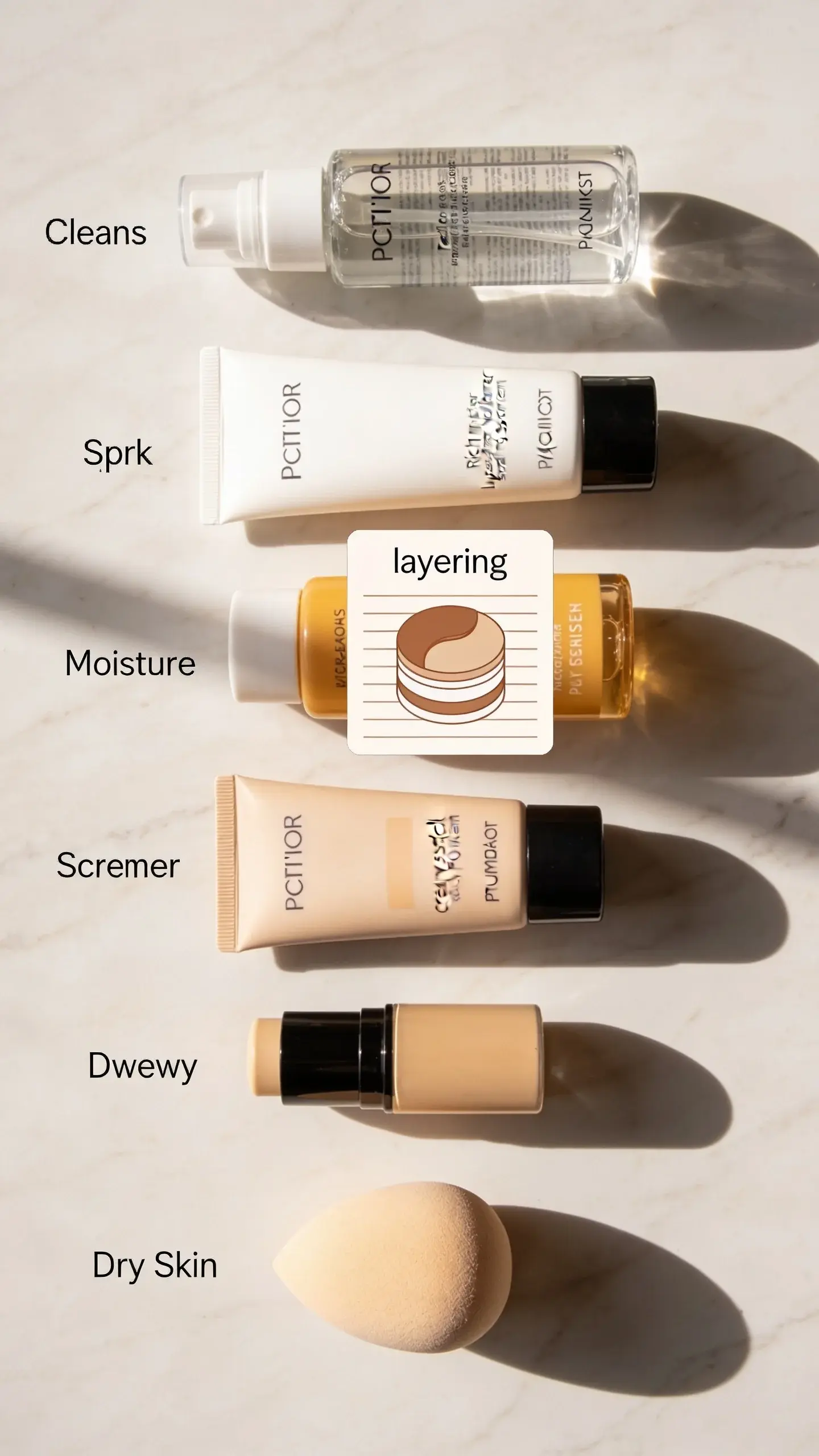
Flakes happen. Don’t panic—pivot.
- Spot-smooth: Roll a damp cotton swab over the flaky patch to lift loose skin without wrecking your base.
- Rehydrate: Tap a drop of facial oil or a hydrating primer onto the area, then bounce with a sponge.
- Layer smart: If coverage disappeared, add a micro-dot of foundation back only where needed.
Lock It In Without Drying Out
You want staying power that still feels juicy.
- Use a hydrating setting spray: Look for words like “dewy” or “glow.” Mist between layers for grip.
- Blot strategically: If shine pops up, use a tissue to press—then re-mist. Blotting papers can overdo it on dry skin.
- Carry a mini cream stick: For touch-ups, a creamy blush or foundation stick melts in better than powder.
Night-Prep = Next-Day Win
Exfoliate gently 2–3 times a week with a lactic acid toner or an enzyme mask, then seal with a richer night cream. Smooth canvas tomorrow, less base drama—FYI, this is the real secret sauce.
FAQs
How do I stop my foundation from clinging to dry patches?
Exfoliate lightly the night before, hydrate in layers, and choose a dewy foundation. Apply with a damp sponge and press a drop of facial oil into stubborn patches before blending. If it still clings, you probably need a richer moisturizer or a creamier base.
Can I use powder if I have dry skin?
Yes, but sparingly. Pick a finely milled, non-matte powder and set only areas that crease or get shiny. Press, don’t buff, and avoid piling powder over dry zones like the sides of the nose.
What kind of primer works best for dry skin?
Hydrating or glowy primers with ingredients like glycerin, squalane, or shea derivatives. Skip heavy silicone mattifiers. If you want blur, use a tiny dab of a flexible balm primer only where you see texture.
Why does my makeup look cakey by midday?
Usually dehydration, too much product, or incompatible formulas. Use thinner layers, add hydrating mists between steps, and avoid mixing water-based skincare with super silicone-heavy bases that can pill. Re-melt midday with a mist and sponge instead of layering more product.
Do I need a special foundation for winter?
Not strictly, but your skin might. Swap to a more emollient formula or mix a drop of facial oil into your usual base. Also beef up your moisturizer and consider a richer SPF to keep the barrier happy.
What’s the best way to cover flakes around the nose?
First, lift loose bits with a damp swab—don’t scrub. Tap in a hydrating primer or balm, then bounce in a tiny amount of foundation. Avoid powder there if you can; set the perimeter instead.
Conclusion
Dry skin makeup doesn’t need to be a battle. Hydrate generously, pick flexible cream formulas, and set only where it counts. With these seven tips, your base will look smooth, juicy, and totally unbothered—no desert vibes, just glow. IMO, once you nail the prep-and-press routine, everything else becomes easy.