Your face feels tight by lunchtime, your makeup flakes by 3 p.m., and your skin drinks moisturizer like it’s a venti latte. Sound familiar? You don’t need a 27-step routine—you need smarter steps that actually seal in water. Let’s break down what works, what’s a waste, and how to get that soft, bouncy glow without selling your soul to the skincare aisle.
Know Your Enemy: Dehydration vs. Dryness
Dry skin lacks oil. Dehydrated skin lacks water. You can have both—fun, right? Moisture for dry skin face means adding water and sealing it in with lipids.
Quick Self-Check
- Flaky, tight, irritated? Likely dry (needs oils and barrier support).
- Dull, fine lines appear by afternoon? Likely dehydrated (needs humectants and gentle care).
- Combination but still tight? You’re dehydrated with oily zones—balance, don’t strip.
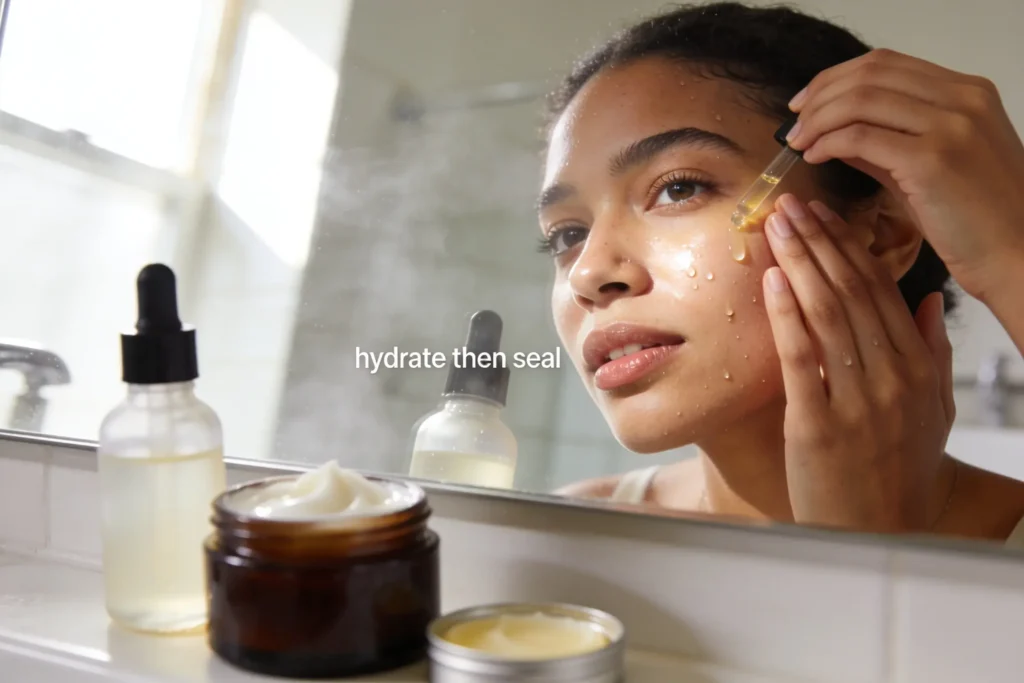
The Golden Rule: Hydrate, Then Seal
You can’t trap water you never added. Layer like this and watch your skin chill out:
- Gentle cleanse: Lukewarm water, creamy or milky cleanser.
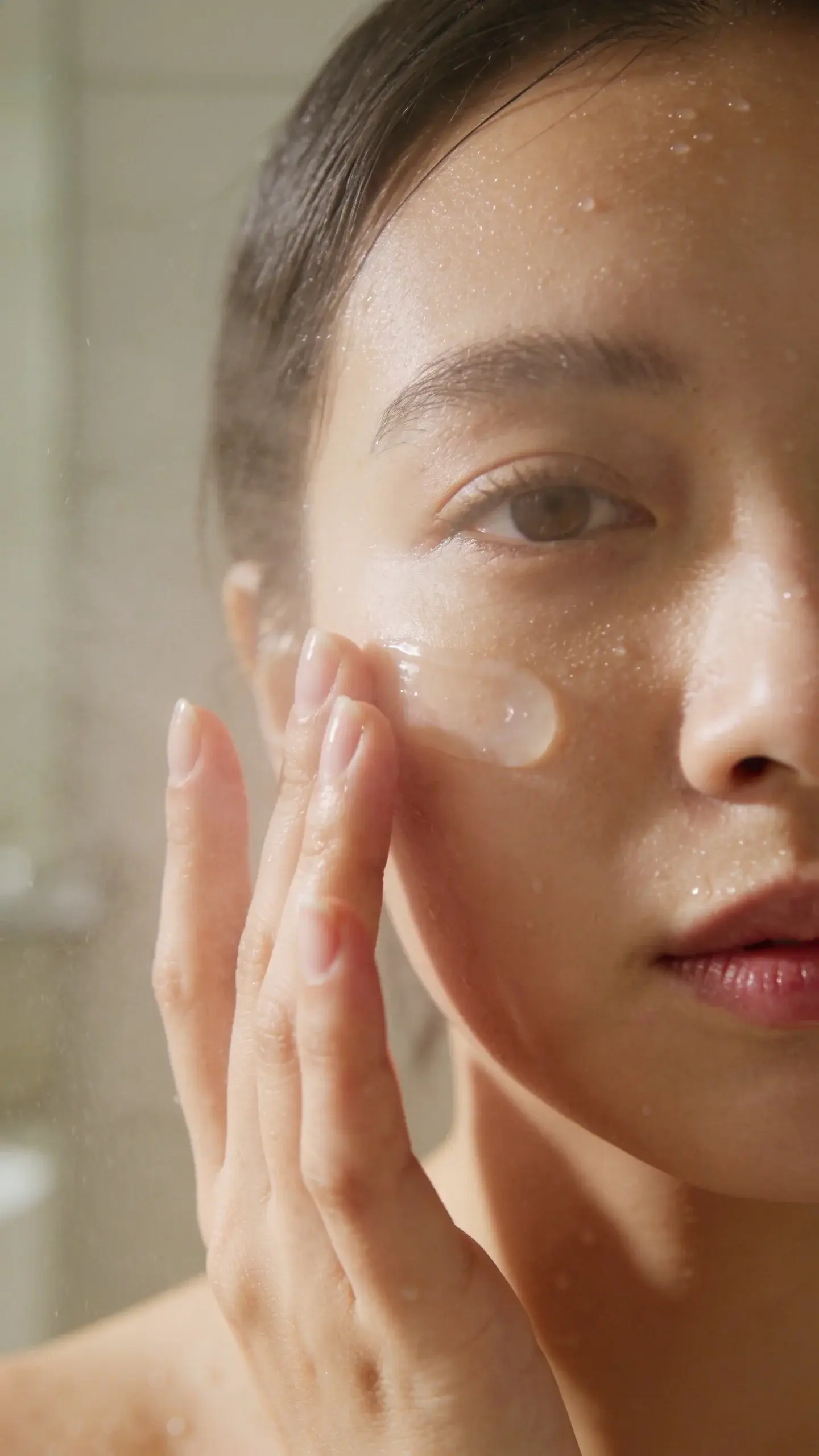
- Hydrating step on damp skin: Essence or serum with humectants.
- Moisturizer: Cream with ceramides, cholesterol, fatty acids.
- Occlusive (optional at night): A thin layer of ointment or balm on dry spots.
FYI, apply products within 60 seconds after cleansing to trap surface moisture.
Ingredients That Actually Quench
Not all “hydrating” labels deliver. Look for this power squad:
Humectants (Pull Water In)
- Hyaluronic Acid (multiple weights work best)
- Glycerin (underrated MVP—cheap and effective)
- Panthenol (soothing, helps barrier)
- Aloe, Beta-Glucan, Urea 2–5% (hydration + calming)
Emollients (Smooth and Soften)
- Squalane (lightweight, skin-identical feel)
- Shea Butter, Jojoba, Meadowfoam
- Phytoceramides (nice bonus in creams)
Occlusives (Lock It Down)
- Petrolatum (the GOAT for transepidermal water loss, minimal needed)
- Lanolin (great but patch test if sensitive)
- Beeswax, Dimethicone (good daytime options)
Barrier-Builders (Long Game)
- Ceramides + Cholesterol + Fatty Acids in a 3:1:1-ish blend
- Niacinamide 2–5% (supports barrier, reduces redness; don’t overdo)
- Madecassoside/Cica for calm, happy skin
Routine That Works: Morning and Night
Let’s keep it realistic but effective.
Morning (Hydrated, Not Greasy)
- Cleanse only if needed. If not oily, splash with water or use a micellar and rinse.
- Hydrating toner/essence with glycerin + HA on damp skin.
- Serum (panthenol, beta-glucan, or low-dose niacinamide).
- Cream with ceramides and squalane.
- Mineral or hybrid SPF 30–50 with moisturizers built in.
Night (Repair Mode)
- Gentle cleanse (cream cleanser; double cleanse only if you wore SPF/makeup).
- Hydrating serum (HA + glycerin + urea if you can find it).
- Barrier cream (ceramides/cholesterol/fatty acids).
- Occlusive spot seal (rice-grain of petrolatum on flaky zones).
IMO, 2–3 nights a week, swap in a low-strength retinol or retinal if your skin tolerates it—buffer with moisturizer first. It can actually help long-term dryness when used correctly.
Application Tricks That Change Everything
Small tweaks, big payoff.
- Mist between layers: A light mist before serum and before cream gives humectants more water to grab.
- Press, don’t rub: Especially when skin feels irritated. Rubbing = friction = mad barrier.
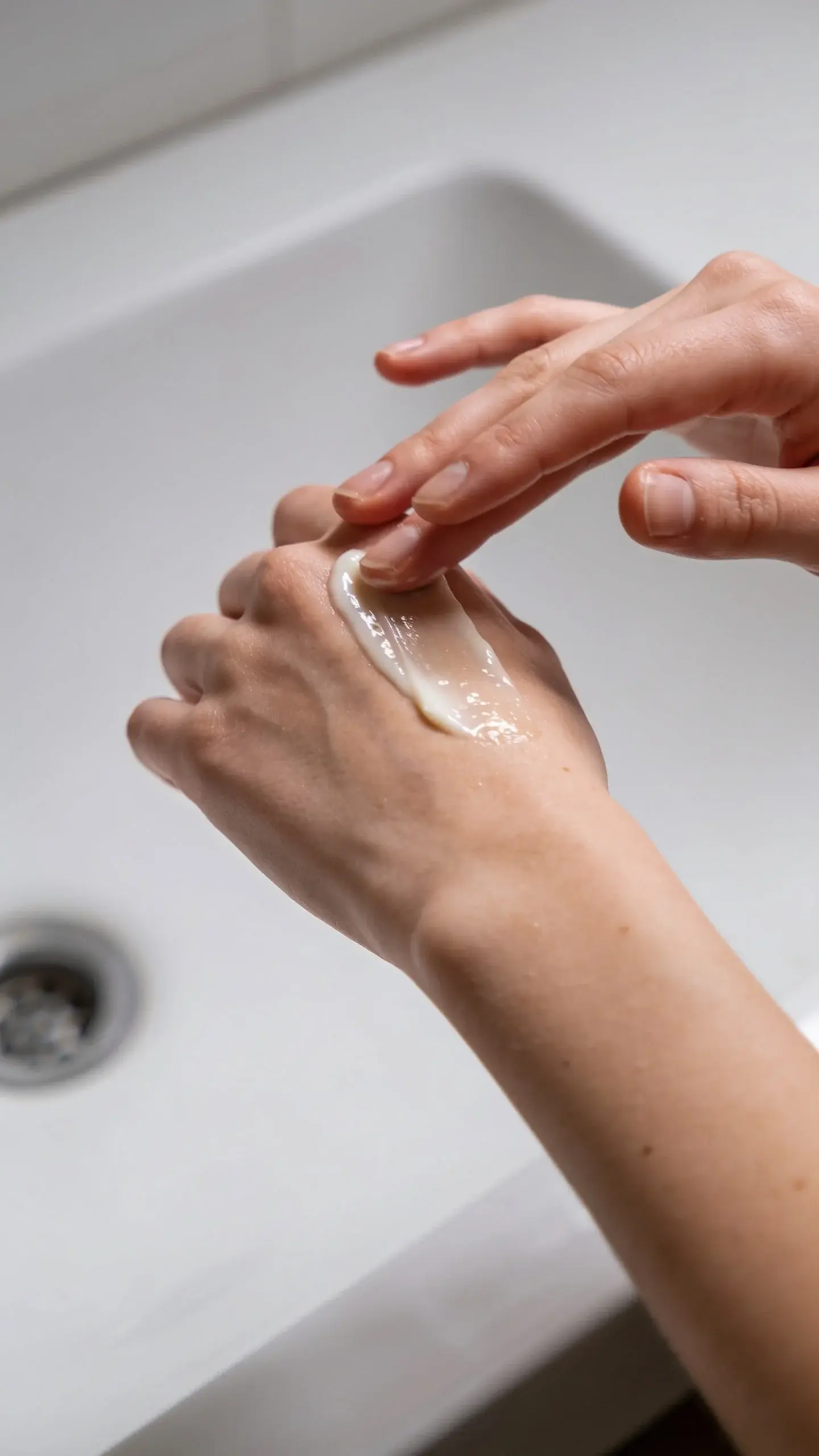
- Use a pea, not a puddle: Too much product can pill and trap heat.
- Warm up creams in your palms for smoother spread.
- Humidify your space: 40–50% indoor humidity keeps skin from giving up its water.
Habits That Quietly Sabotage Hydration
You’re doing “all the things” but still flaky? Check these.
- Over-cleansing: Twice a day with a foamy cleanser? That’s a no.
- Hot showers on face: Cozy, yes. Hydrating, no. Lukewarm wins.
- Harsh actives piled on: AHA daily + retinoid nightly = barrier meltdown. Space them out.
- Fragrance overload: Lovely scent, cranky skin. Choose fragrance-free if you’re sensitive.
- Matte-only makeup: Powder-heavy finishes drink your water. Mix in a drop of squalane or use hydrating primers.
Seasonal + Lifestyle Tweaks
Your skin doesn’t live in a vacuum. Adjust as life/weather changes.
- Winter: Thicker cream, occlusive spots nightly, add a humidifier.
- Summer: Lighter gel-cream, keep humectants, SPF that also moisturizes.
- Travel/Flights: Apply a rich cream pre-boarding and reapply a mist + balm mid-flight.
- Diet/Hydration: Electrolytes help water retention more than chugging plain water, FYI.
- Stress/Sleep: Cortisol messes with your barrier. Prioritize sleep and gentle routines.
Product Pairings I’d Actually Recommend (Categories, Not Ads)
No brand wars—just what to look for.
- Cream cleanser: No sulfates, includes glycerin or squalane.
- Hydrating essence/toner: Glycerin + HA + panthenol, minimal fragrance.
- Serum: Multi-weight HA + beta-glucan or urea 2–5%.
- Ceramide cream: Lists ceramide NP/NG + cholesterol + fatty acids high on INCI.
- SPF: Hydrating, alcohol-minimized, with added humectants.
- Occlusive: Petrolatum ointment or lanolin-based balm for spot sealing.
FAQ
Can oily skin still be dehydrated?
Absolutely. Oil doesn’t equal water. If your skin feels tight under the shine or shows fine dehydration lines, add humectants and a lightweight moisturizer. Keep the occlusives minimal and focus on barrier support.
Is slugging good for dry faces?
It can be magic—if you do it right. Apply a pea-size amount of petrolatum only on top of moisturizer and ideally just on flaky areas. Full-face nightly slugging can clog pores for some; try 2–3 nights a week first.
Do I need both serum and moisturizer?
Short answer: usually yes. Serums deliver concentrated humectants; moisturizers add emollients and barrier lipids that serums lack. If your cream already hydrates super well, you can skip serum in a pinch.
Why does my hyaluronic acid make me drier?
HA needs water to bind. Apply it to damp skin, layer with a mist or essence, then seal with a cream. In very dry climates, HA can pull water from your skin if you don’t top it with an emollient/occlusive.
How long until my barrier improves?
You’ll feel relief in a few days, but barrier repair takes 2–6 weeks. Stay consistent, cut back on harsh actives, and lean into ceramides, cholesterol, and fatty acids. Your future self will thank you.
Can I exfoliate if my skin is dry?
Yes, but gently and not often. Choose a low-strength lactic acid 1–5% once a week or use a soft washcloth with your cleanser. Over-exfoliation equals instant flakiness—ask me how I know.
Conclusion: Simple Layers, Big Hydration
You don’t need flashy potions—you need smart layering. Hydrate on damp skin, seal with lipids, and protect your barrier. Tweak for seasons, quit over-washing, and bring in humid air when you can. Do that, and your dry-skin era ends—glow era enters, IMO.