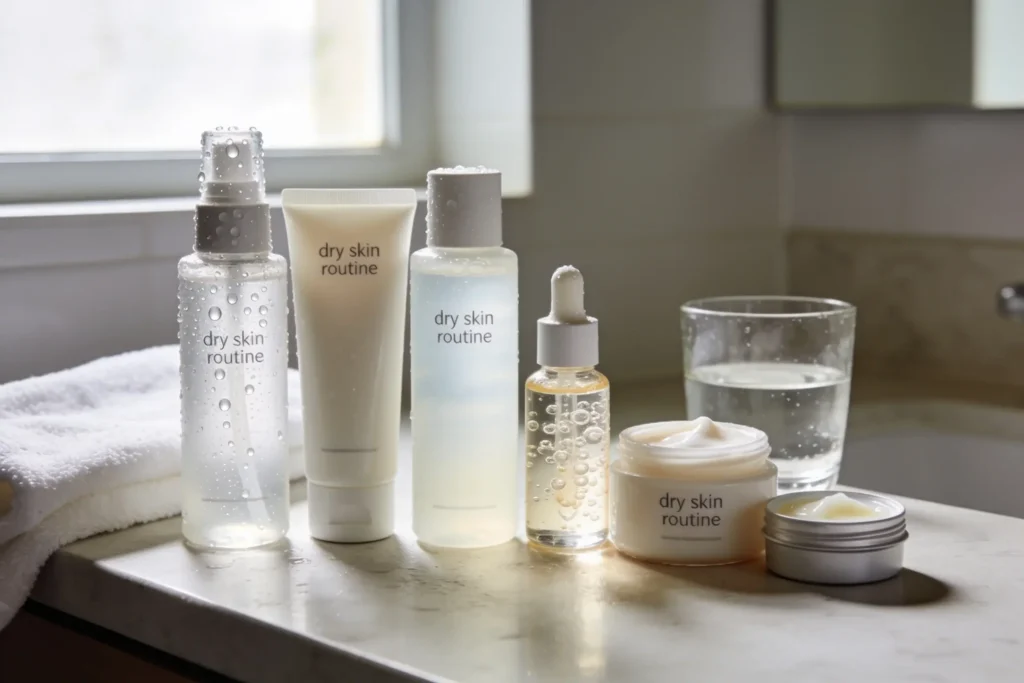
Dry, flaky, tight skin ruining your vibe? Let’s fix that—fast. This routine keeps things simple, effective, and totally doable even when you’re half-asleep. You’ll learn exactly what to use, when to use it, and why it works—without a crash course in chemistry. Your glow-up starts now.
Know Your Enemy: What Dry Skin Actually Needs
Dry skin lacks oil and struggles to hold onto water. That’s the entire plot. So you need products that do three jobs: attract water (humectants), seal it in (occlusives), and rebuild your skin barrier (emollients + ceramides). Easy enough, right?
Humectants vs. Emollients vs. Occlusives
- Humectants: Hyaluronic acid, glycerin, aloe. They pull water into your skin.
- Emollients: Squalane, fatty alcohols, shea butter. They smooth rough texture.
- Occlusives: Petrolatum, lanolin, mineral oil. They lock everything in so it doesn’t evaporate.
Your 7-Step Dry Skin Routine (AM + PM)
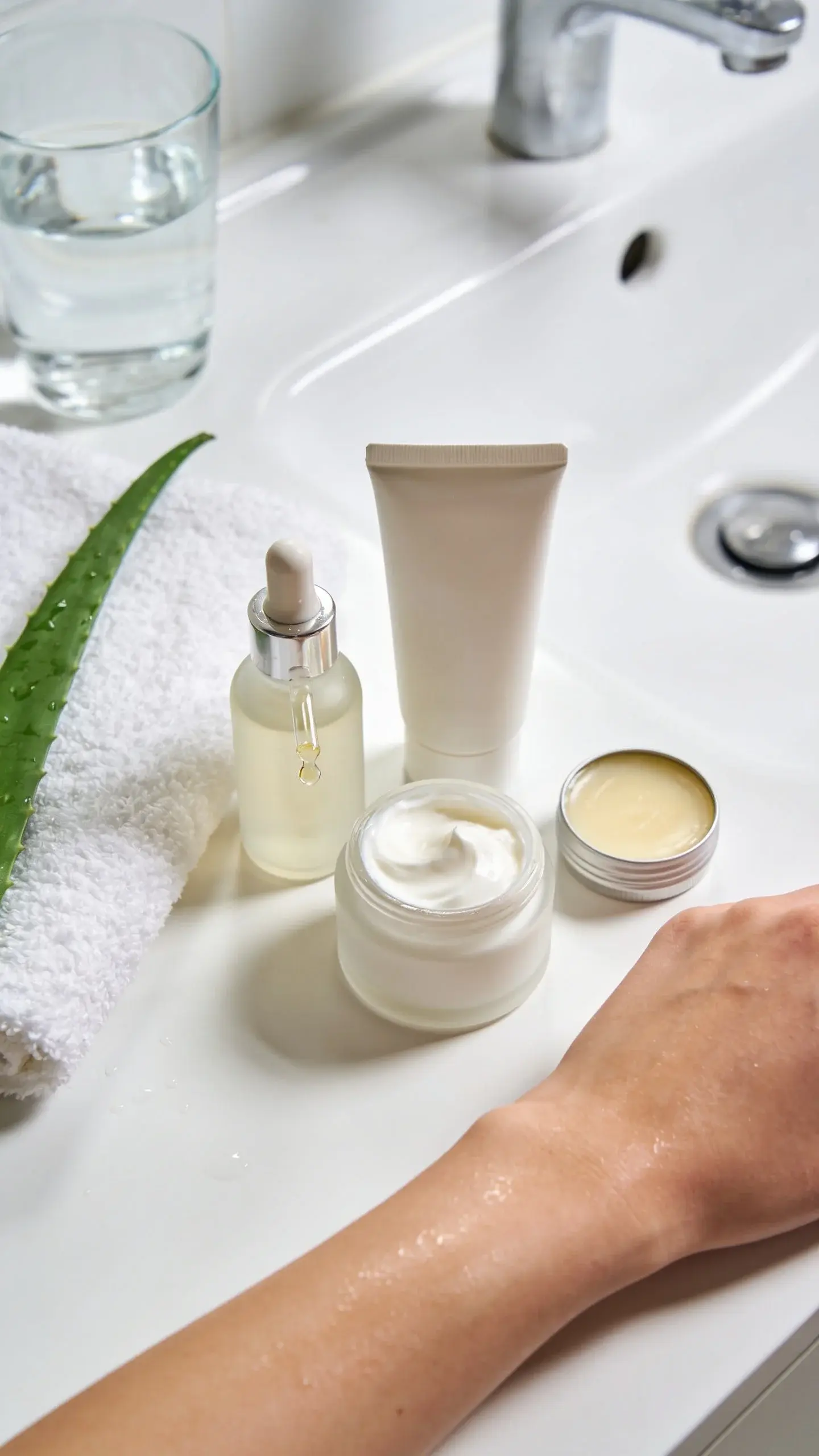
Yes, seven steps—but fast ones. You can do this in under five minutes. The secret? Layer from thinnest to thickest and apply to damp skin.
Morning Routine
- Gentle Cleanse (Optional): If your face isn’t dirty, skip it. Otherwise use a creamy, non-foaming cleanser.
- Hydrating Essence or Mist: Think of this as your first splash of water magnets. Spritz or pat on.
- Serum with Humectants: Hyaluronic acid + glycerin combo works great. Press, don’t rub.
- Barrier-Boosting Moisturizer: Look for ceramides, cholesterol, and fatty acids. This is your armor.
- Sunscreen (SPF 30+): Choose a moisturizing formula. Mineral or chemical? IMO, whichever you’ll wear daily.
Evening Routine
- Cleanse (Always): Use a creamy cleanser. If you wear makeup or SPF, double cleanse with a balm first.
- Hydrating Serum or Toner: Reapply your humectants to damp skin.
- Rich Moisturizer: Go thicker at night. Bonus points for squalane or shea butter.
- Occlusive Topper (Targeted): A thin layer of petrolatum on the driest zones seals the deal. Cheeks yes, T-zone maybe not.
Weekly Power-Ups (Do Not Overdo)
Add these 1–3 times per week to level up without wrecking your barrier.
Hydrating Masks
Use a fragrance-free gel or cream mask loaded with glycerin, urea (5–10%), or panthenol. Leave on 10–20 minutes, then seal with moisturizer. Your skin will literally sigh.
Gentle Exfoliation
Yes, even dry skin needs it—just gently. Choose:
- Lactic acid (5–10%): Hydrates while it exfoliates.
- Polyhydroxy acids (PHAs): Even gentler, great for sensitive types.
Use once weekly to start. If your skin protests, back off. FYI, flakes aren’t an invitation to sand your face.
Ingredient Heroes That Actually Make a Difference
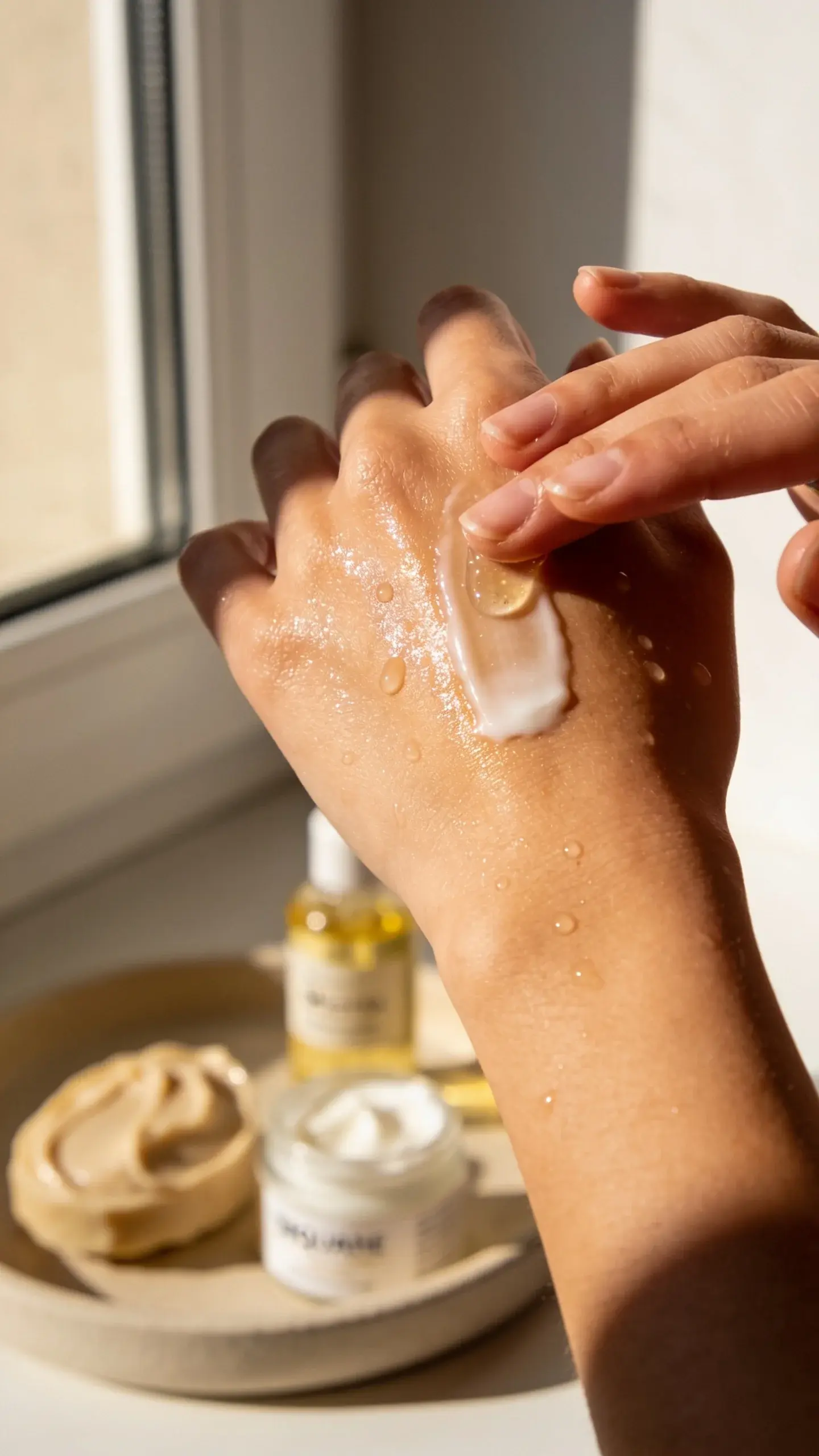
Let’s keep it simple. These always deliver for dryness:
- Hyaluronic Acid + Glycerin: Dynamic duo for hydration pull.
- Ceramides + Cholesterol + Fatty Acids: Rebuild the skin barrier.
- Squalane: Lightweight oil that mimics skin’s natural lipids.
- Urea (2–10%): Hydrates and softens rough patches. A sleeper favorite.
- Niacinamide (2–5%): Strengthens barrier and reduces redness.
- Petrolatum: The GOAT occlusive. Dermatologists love it for a reason.
Ingredients to Tread Lightly With
- Retinoids: Amazing, but buffer with moisturizer and start slow (1–2 nights/week).
- Vitamin C (L-ascorbic acid): Can sting. Try gentler derivatives or use every other morning.
- Fragrance + Essential Oils: Nice to sniff, not nice to dry skin. Skip if you’re reactive.
Application Tricks That Boost Hydration Instantly
Small tweaks, big payoff.
- Apply to damp skin: Humectants need water to work. Don’t waste them.
- Layer thin to thick: Serum, then cream, then occlusive. Simple physics.
- The sandwich method: For actives like retinoids, do moisturizer → active → moisturizer.
- Use lukewarm water: Hot showers feel great, but they strip oil fast.
- Humidifier at night: Turns your bedroom into a mini skin spa, IMO.
Build Your Routine by Budget (Because Wallets Matter)
You don’t need luxe everything. Mix and match smartly:
- Save on: Cleanser, hydrating toner, petrolatum.
- Spend (if you can) on: A well-formulated moisturizer with ceramides and a daily sunscreen you love.
Want a cheat sheet?
- Minimalist: Creamy cleanser → HA/glycerin serum → ceramide moisturizer → SPF (AM)
- Comfort Queen: Balm cleanse → hydrating toner → HA serum → rich cream → occlusive on cheeks → SPF (AM)
- Active Curious: Same as above + retinoid 1–2 nights/week using the sandwich method
FAQs
My skin still feels tight after moisturizing. What now?
You likely need more water in the mix. Apply your serum and moisturizer to damp skin, then add a thin occlusive layer on your driest zones at night. Also check your cleanser—switch to a creamy, low-foam formula.
Can oily skin be dehydrated too?
Absolutely. You can produce oil and still lack water. Use lightweight humectants and a gel-cream with ceramides, then skip heavy occlusives except on flaky patches.
How long until I see results?
Hydration improves in days, barrier strength in 2–4 weeks. Consistency beats perfection. If your skin throws a tantrum, simplify to cleanser + bland moisturizer + SPF for a week.
Do I need a separate eye cream?
Not mandatory. Most gentle face moisturizers work fine around the eyes. If you want extra cushion, pick one with ceramides and caffeine for de-puffing.
Is slugging safe for everyone?
Slugging (occlusive over moisturizer) helps very dry or compromised skin. If you’re acne-prone, try targeted slugging on cheeks or under eyes instead of full-face.
What’s the best SPF for dry skin?
A moisturizing sunscreen with added glycerin or squalane. Look for a cream or lotion texture rather than gel. The “best” is the one you’ll wear daily—non-negotiable.
Conclusion: Hydration That Sticks
Dry skin doesn’t need a 27-step ritual. It needs smart layers that pull in water, repair the barrier, and lock it all down. Follow the seven steps, tweak the textures you love, and give it a couple of weeks. Your skin will go from “help” to “hello, glow.” FYI, your future selfies will thank you.