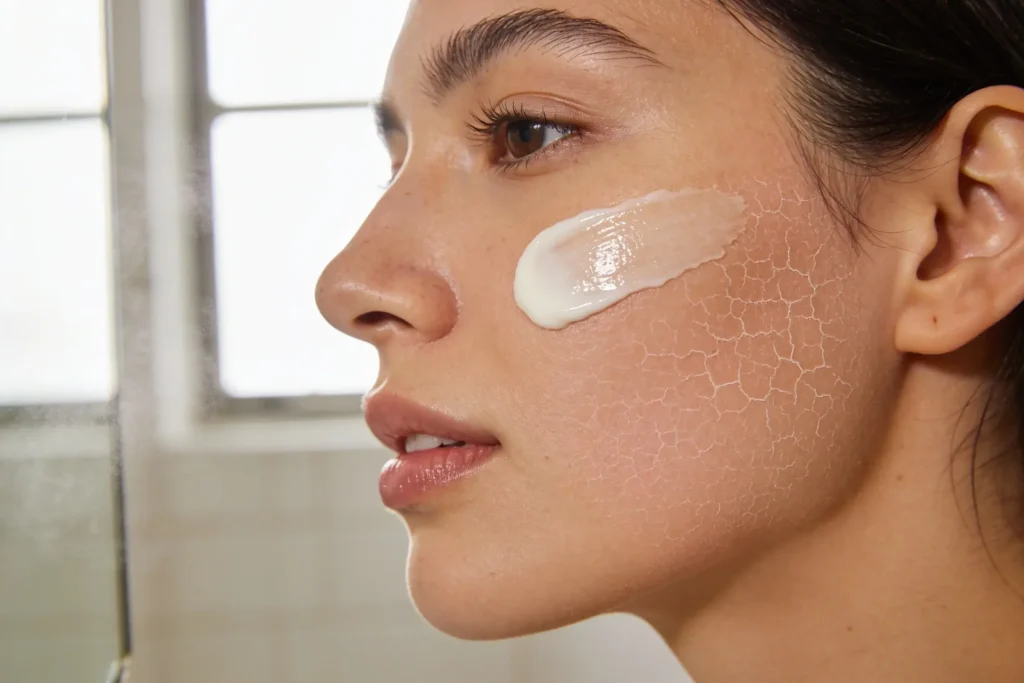
Your face feels tight, looks flaky, and makeup refuses to blend — yep, dry skin strikes again. Good news: you can fix it without overhauling your entire life or buying 27 serums. Let’s decode what’s actually drying you out and map a routine that makes your face look juicy again. Spoiler: it’s not just about slapping on thicker moisturizer.
What “Dry Skin Face” Really Means
Dry skin isn’t just “a little thirsty.” It means your skin barrier can’t hold onto water, so moisture escapes and leaves you tight, rough, or itchy. You might also see flaking, redness, or that lovely dull cast that screams “I need help.” If your skin feels tight right after cleansing, that’s your sign.
Dry vs. Dehydrated: Not The Same Thing
– Dry = not enough oil (sebum). Often lifelong or genetic.
– Dehydrated = not enough water in the skin. Anyone can get it (even oily folks).
– You can be both (fun combo, right?). Treat with hydration first, then seal with oils/occlusives.
Why Your Face Gets So Dry (Even When You Moisturize)
Let’s call out the usual suspects so you can stop blaming your genetics for everything.
- Over-washing or harsh cleansers: Sulfates and strong foaming agents strip your natural oils.
- Hot showers: Hot water melts away your skin’s lipids. Cozy? Yes. Helpful? Nope.
- Low humidity: Winter air and AC heat pull water out of your skin like a sponge.
- Over-exfoliation: Acids and scrubs can break your barrier if you go wild.
- Retinoids and acne meds: Great results, but they dry you out at first.
- Fragrance and alcohol-heavy products: Sensory bliss, barrier chaos.
- Age and hormones: Oil production dips as you age, especially post-30.
When It’s Not Just “Dry”
– Eczema (atopic dermatitis): Itch, rough patches, and flare-ups.
– Seborrheic dermatitis: Flaky + oily around the nose/eyebrows. Confusing? Yep.
– Allergic contact dermatitis: Sudden reactions to a product.
If your skin burns, cracks, or won’t calm down, see a dermatologist, IMO.
Your Simple, No-Drama Routine That Works
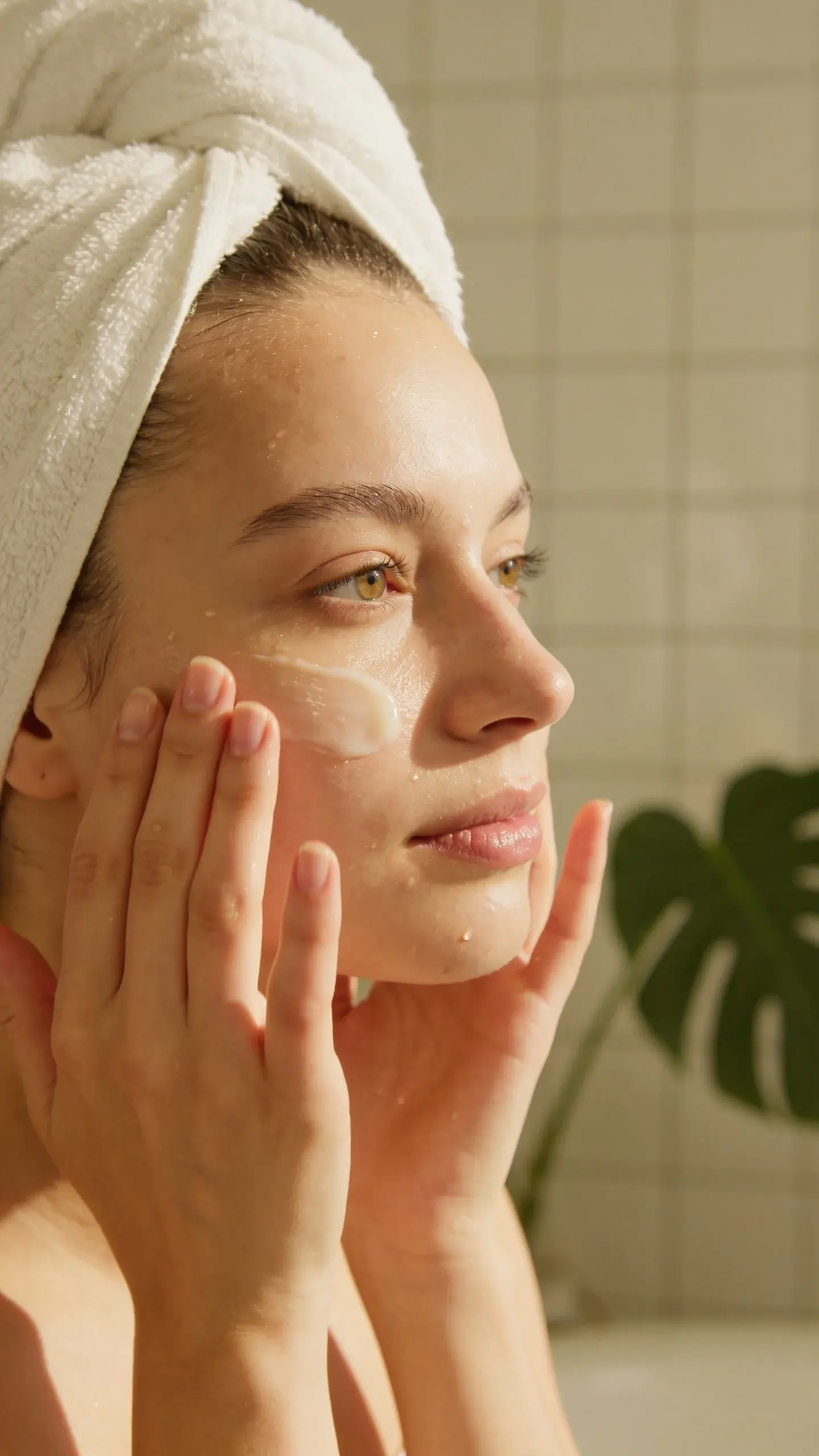
You don’t need a 10-step ritual. You need the right few steps, done right.
AM Routine (3-5 Minutes)
- Gentle cleanse or rinse: If you’re very dry, just splash with lukewarm water. Otherwise, use a creamy, non-foaming cleanser.
- Hydrating layer: Apply a humectant serum or essence (glycerin, hyaluronic acid, panthenol, aloe).
- Barrier-friendly moisturizer: Look for ceramides, cholesterol, fatty acids, squalane, shea, or urea (2-5%).
- Sunscreen: SPF 30+ every day. Opt for moisturizing formulas. Mineral (zinc) if you’re sensitive.
PM Routine (5-7 Minutes)
- Cleansing: If you wear makeup or SPF, use a gentle oil/balm first, then a creamy cleanser (only if needed).
- Hydration sandwich: Mist or dampen skin lightly, apply hydrating serum, then moisturizer.
- Seal if needed: Dab a thin occlusive layer (petrolatum, lanolin, or a balm) on the driest zones.
- Retinoids? Start 1-2x/week max, buffer with moisturizer, and build slowly.
Weekly Add-Ons
– Gentle exfoliation: Once a week with lactic acid (5-10%) or PHA to lift flakes without nuking your barrier.
– Barrier mask: Ceramide or colloidal oatmeal masks soothe and hydrate.
– Humidifier: Game changer if your indoor humidity drops below 40%.
Ingredients That Actually Help (And The Ones That Don’t)
Let’s make your labels make sense.
Hero Ingredients
- Humectants (pull water in): Glycerin, hyaluronic acid, panthenol, aloe, beta-glucan, urea (low %).
- Emollients (soften and smooth): Squalane, jojoba, shea butter, triglycerides.
- Occlusives (lock moisture in): Petrolatum, lanolin, dimethicone, beeswax.
- Barrier builders: Ceramides + cholesterol + fatty acids = chef’s kiss.
- Soothers: Centella asiatica, allantoin, colloidal oatmeal, bisabolol.
Proceed With Caution
- High alcohol denat: Can sting and dehydrate, especially in toners.
- Fragrance: Lovely scent, potential irritation — patch test first.
- Strong acids: Glycolic at high % can torch a fragile barrier.
- Retinoids: Start low, go slow, moisturize more (FYI, totally worth it long term).
Makeup Tips So Your Base Doesn’t Flake Off
– Prep like a pro: Exfoliate gently the night before. Hydrate + moisturize before makeup.
– Skip matte primers: Use hydrating or glowy primers with glycerin or dimethicone.
– Choose creamy textures: Tinted moisturizers, cream blush/bronzer. Powder lightly only where needed.
– Application matters: Use a damp sponge to bounce product on. Don’t drag.
– Fix mid-day dryness: Press a drop of squalane over flakes, then refresh with a hydrating mist. Magic.
Lifestyle Tweaks That Quietly Change Everything
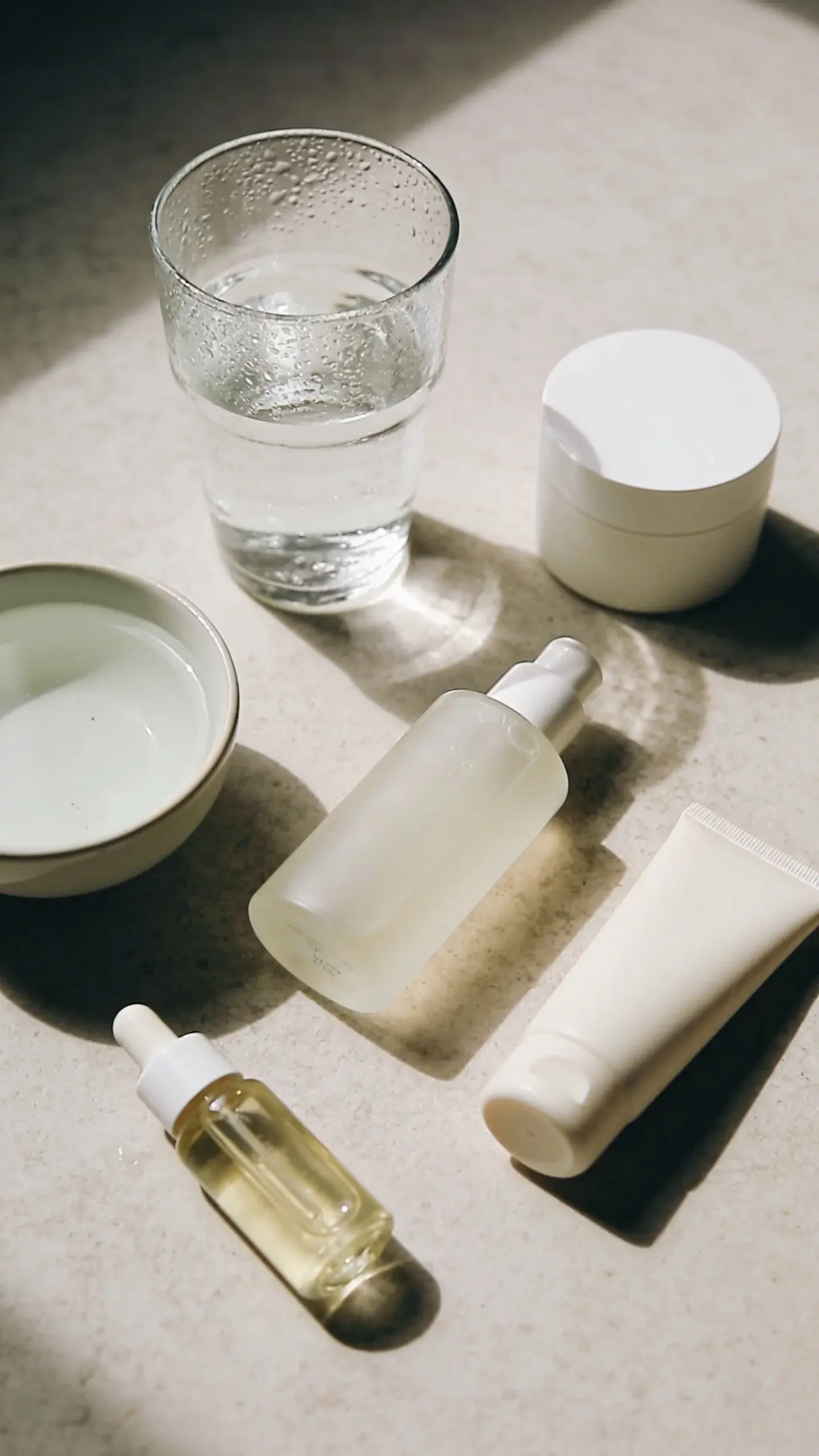
Small shifts, big payoff.
- Shorter, cooler showers: 5-10 minutes, warm (not hot). Your barrier will thank you.
- Moisturize damp skin: Within 1-2 minutes of washing. Lock it in while you can.
- Humidifier at night: Aim for 40-50% indoor humidity.
- Soft fabrics: Swap scratchy wool around your face for cotton or silk.
- Balanced diet: Omega-3s (fatty fish, flax), enough protein, and water. No, you don’t need to chug a gallon, but stay reasonably hydrated, IMO.
- Stress and sleep: Your barrier recovers while you sleep. Eight hours is not a myth.
Fixing a Wrecked Skin Barrier (Emergency Mode)
Went too hard with acids or retinoids? Time to rehab.
- Stop actives for 5-7 days: No acids, no retinoids, no scrubs.
- Cleanse gently once daily, lukewarm water only.
- Layer hydration: Humectant serum + ceramide-rich cream.
- Seal with petrolatum on cracked spots overnight.
- Sunscreen every morning because UV makes irritation worse.
- Still stinging or rashy? See a dermatologist, especially if you suspect eczema or infection.
FAQ
How do I know if my skin is truly dry or just dehydrated?
Pinch-test time: if fine lines look more pronounced and your skin bounces back slowly, you’re probably dehydrated. If your skin rarely gets shiny, feels tight all day, and loves oils, you’re likely dry. Many people are both, so treat with water-binding layers first, then seal with richer creams.
Can I use hyaluronic acid if I live in a dry climate?
Yes, but don’t use it solo. Apply it on damp skin, then trap it with a moisturizer or occlusive. Bonus points for running a humidifier — otherwise HA can pull water from deeper layers and make you feel tighter.
What’s the best moisturizer texture for dry skin face?
Creams or balms with ceramides, cholesterol, and fatty acids work best. Look for a slightly occlusive finish that leaves a soft sheen. If you hate thick textures, layer a lighter lotion under a thin occlusive on dry patches only.
Do oils replace moisturizers?
Nope. Oils seal and soften, but they don’t add water. Pair oils (like squalane or jojoba) with humectants and a true moisturizer so you get hydration + barrier support. Think of oils as the topcoat, not the whole manicure.
How often should I exfoliate dry skin?
Once a week is enough for most people. Choose lactic acid or PHA because they’re gentler and even hydrate a bit. Over-exfoliation equals flakes and irritation — exactly what you’re trying to avoid.
Is petrolatum safe for the face?
Yes. Cosmetic-grade petrolatum is non-comedogenic for most and amazing for sealing in moisture. Use a thin layer on the driest areas at night. If you’re acne-prone, patch test first.
Conclusion
Dry skin face doesn’t need drama — it needs consistency. Cleanse gently, hydrate smart, and lock it in with barrier-loving moisturizers. Add a humidifier, dial back hot showers, and go easy on actives. Do that for two weeks and watch your skin go from flaky to dewy — no 12-step circus required.