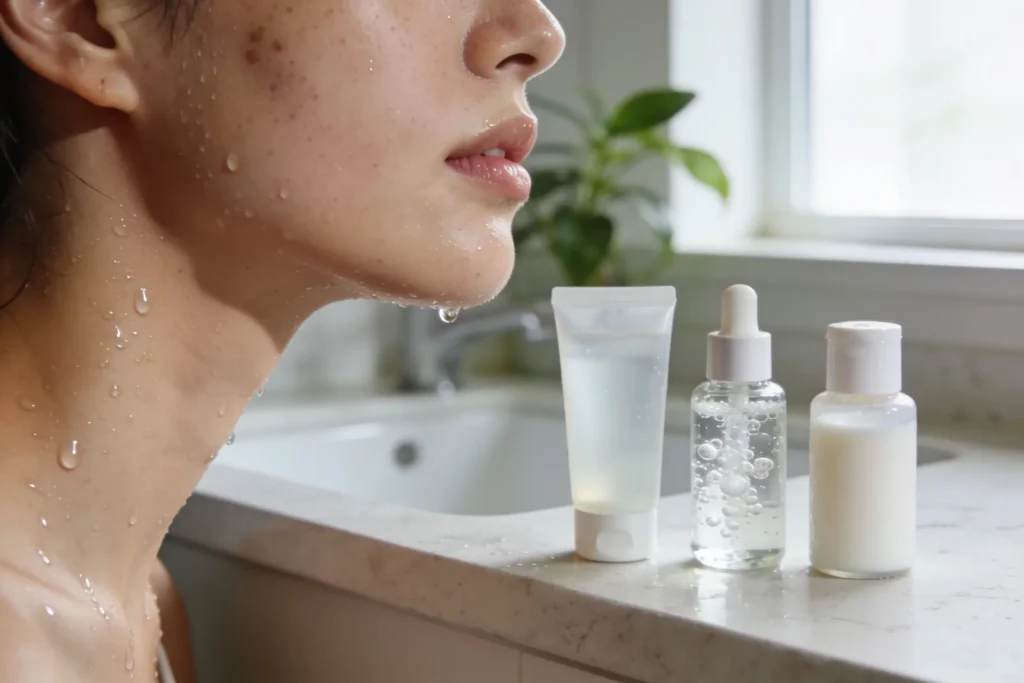
You want hydration, not an oil slick. You want calm, clear skin, not clogged pores. Totally doable. This guide shows you how to moisturize like a pro so your skin looks dewy, feels comfy, and doesn’t revolt with breakouts. Let’s skip the fluff and fix your face (lovingly).
Why Dry And Acne-Prone Skin Happens (And Why It’s So Annoying)
Dry, acne-prone skin sounds contradictory, but it’s common. Your skin barrier leaks moisture, so your oil glands panic and overcompensate—hello, clogs and pimples. Throw in harsh cleansers, over-exfoliation, and weather swings, and your face throws a tantrum. The fix? Hydrate strategically and protect the barrier so your skin stops overreacting.
The Golden Rule: Hydrate First, Then Seal—But Gently
Think of hydration like watering a plant, not coating it in butter. You want water-based layers first, then a light sealant. If you go straight to heavy occlusives, you’ll trap dead skin and sebum and kick off breakouts.
Your Three-Step Core Routine
- Cleanse: Use a gentle, low-foam cleanser with hydrating surfactants (coco-betaine) and no strong fragrance.
- Treat + Hydrate: Layer a humectant serum (hyaluronic acid, glycerin, panthenol) and a barrier-repair serum (niacinamide 2–5%).
- Seal: Apply a non-comedogenic, lightweight moisturizer with ceramides and squalane. If you’re super dry, dot a few drops of squalane or a thin occlusive over dry zones only.
Ingredients That Love Dry, Acne-Prone Skin
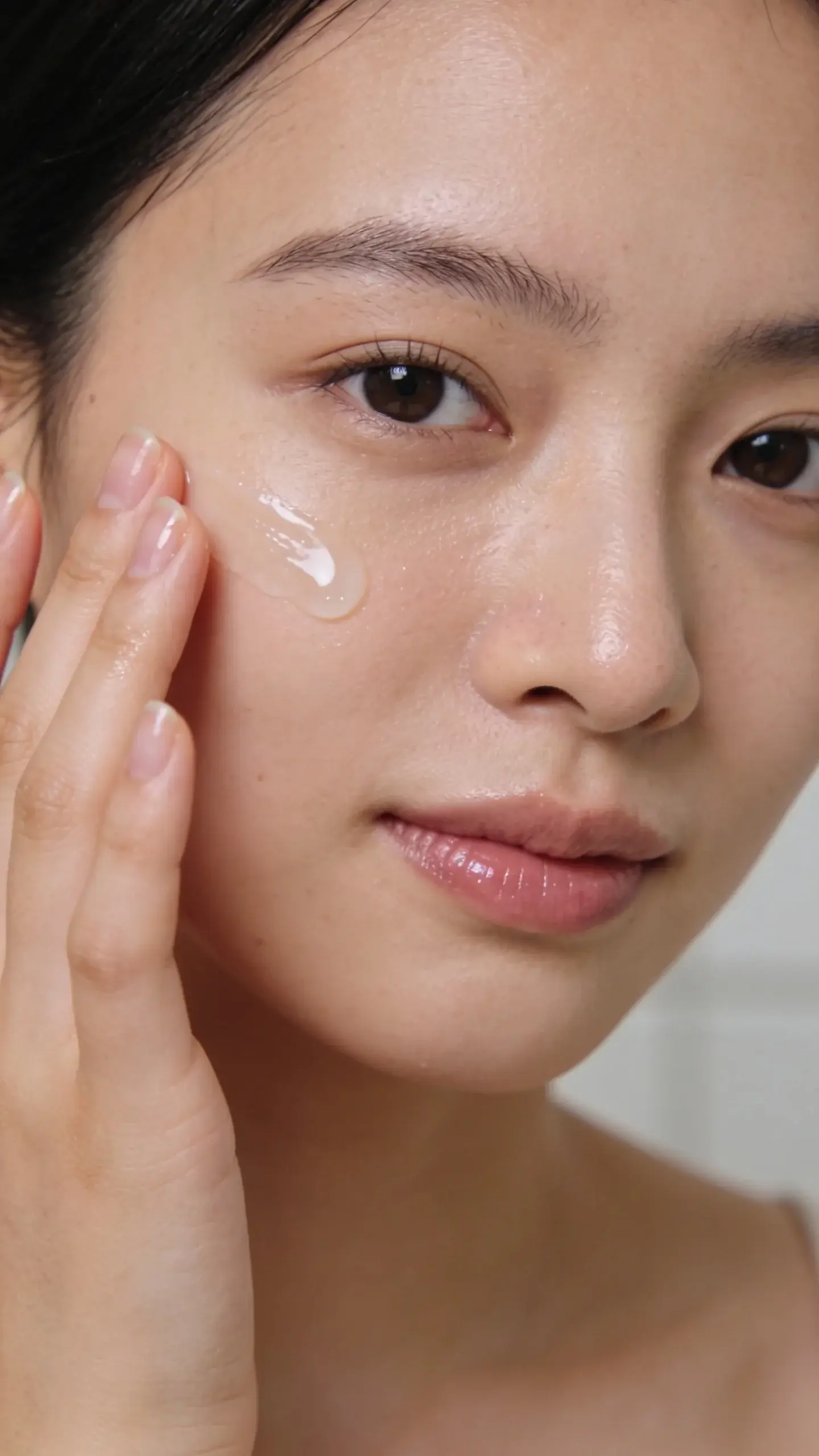
You don’t need a 14-step routine. You need the right players working together.
Hydrators (Water Magnets)
- Hyaluronic Acid (multiple molecular weights): pulls in water; layer on damp skin.
- Glycerin: budget MVP; effective and stable.
- Panthenol (B5): soothes and supports barrier.
- Beta-Glucan: hydrates and calms redness.
Barrier Builders (The “Don’t Evaporate” Crew)
- Ceramides + Cholesterol + Fatty Acids: rebuild a leaky barrier, reduce sensitivity.
- Squalane: lightweight, non-comedogenic, balances dryness without greasiness.
- Niacinamide (2–5%): reduces oiliness, brightens, and strengthens barrier. Win-win.
Breakout-Control That Won’t Dry You Out
- Azelaic Acid (10–15%): targets acne and redness; gentle and IMO underrated.
- Adapalene (OTC retinoid): speeds cell turnover; start 2–3x/week and buffer with moisturizer.
- Salicylic Acid (0.5–2%): de-clogs pores; use 2–4x/week, not daily if you’re dry.
How To Layer Like A Skin Nerd (Without Overthinking It)
Morning:
- Gentle cleanser (or rinse if not greasy).
- Hydrating serum (glycerin/HA/beta-glucan).
- Niacinamide or azelaic acid if using in AM.
- Lightweight moisturizer with ceramides.
- Mineral or hybrid SPF 30–50 that feels comfy, not chalky.
Night:
- Gentle cleanse.
- Treatment on alternate nights: adapalene OR salicylic acid OR azelaic acid. Don’t stack them all—your face is not a chemistry set.
- Hydrating serum.
- Moisturizer; add a drop or two of squalane on dry patches if needed.
The Sandwich Trick For Actives
Apply a thin layer of moisturizer, then your active (adapalene/SA), then another thin layer of moisturizer. You still get results, but with less irritation. FYI, this hack saves flaky retinoid purges.
Moisturizers That Don’t Suffocate Your Pores
Look for these phrases and textures:
- Non-comedogenic, oil-free, gel-cream, breathable
- Ceramides, squalane, glycerin, panthenol
- Skip heavy butters (shea, cocoa) and thick occlusives (petrolatum) across the entire face. Use them as spot occlusives if your cheeks are sandpaper-dry.
Smart Patch Occlusion
Got flaky cheeks but oily T-zone? Tap a pea-size of a thicker balm on flakes only. Keep T-zone light. Custom hydration > one-size-fits-all goop.
Common Mistakes That Keep You Dry And Breaking Out
- Over-cleansing: Twice a day is enough; cleansers should never leave skin tight.
- Over-exfoliating: Limit acids to 2–4x/week. If your skin feels “squeaky,” that’s a cry for help.
- Skipping SPF: UV wrecks your barrier and worsens post-acne marks. Daily sunscreen = non-negotiable.
- Fragrance overload: Sensitive, acne-prone skin often hates strong fragrance and essential oils.
- Too many actives at once: Pick 1–2 heroes and be consistent. More isn’t more.
Lifestyle Tweaks That Actually Help
Humidity And Water
Use a humidifier in winter or arid climates. Drink water for general health, but skin needs topical hydration most—your moisturizer doesn’t care how many Stanley cups you chug, IMO.
Diet And Stress
High-glycemic foods and skim milk can worsen acne for some. Manage stress, sleep 7–9 hours, and don’t doomscroll at midnight—your skin notices.
Towel And Pillowcase Hygiene
Change pillowcases 2–3x/week and avoid fabric softeners on face towels. It’s boring, but it works.
Product Textures To Try (And To Skip)
Try:
- Essence or watery serum with glycerin/HA for that first hydrating hit.
- Gel-cream moisturizer with ceramides + squalane.
- Mineral or hybrid sunscreen with added hydrators.
Skip:
- Thick cold creams or heavy balms all over.
- Alcohol-heavy toners that sting and strip.
- Harsh scrubs—your barrier is not a cast-iron pan.
FAQs
Will hyaluronic acid break me out?
No, hyaluronic acid itself doesn’t clog pores. Breakouts usually happen when you sandwich it under a heavy, comedogenic cream or apply it to bone-dry skin. Use it on slightly damp skin, then seal with a lightweight moisturizer.
Can I use a face oil if I’m acne-prone?
Yes, but choose smarter oils. Squalane and hemp seed oil rank low on the comedogenic scale and feel light. Use 1–2 drops on dry patches, not a full droppers-worth all over.
Is petroleum jelly bad for acne?
Petrolatum doesn’t clog pores by itself, but it can trap dead skin and oil if your pores are already congested. Use it as a spot occlusive on flaky zones, not as an all-over night mask when you’re breaking out.
How do I use adapalene without turning into a lizard?
Start 2–3 nights per week, “sandwich” with moisturizer, and avoid layering other strong acids the same night. Expect mild dryness for a couple weeks—counter with hydrating serums and a ceramide-rich moisturizer.
What sunscreen won’t make me break out?
Look for non-comedogenic, fragrance-free SPFs with lightweight textures. Mineral or hybrid formulas often feel gentler on reactive, acne-prone skin. Bonus points if they include niacinamide or panthenol.
Do I need a toner?
Not mandatory. If you love the step, pick an alcohol-free, hydrating toner with glycerin or beta-glucan. If your toner tingles like mouthwash, ditch it.
Conclusion: Hydrated, Clear Skin Isn’t A Myth
You can moisturize without mayhem. Keep your routine simple: gentle cleanse, hydrate, treat smartly, and seal with a breathable moisturizer. Protect that barrier like it’s your phone battery on 1%. Be consistent for 6–8 weeks, tweak as needed, and watch your skin chill out—glow included, breakouts not invited.