Let’s skip the fluff: dry skin feels tight, looks dull, and ruins makeup by noon. The right moisturizer fixes all of that—and no, you don’t need a 12-step routine or a celebrity budget. You just need the right texture, ingredients, and timing. Stick with me and you’ll know exactly what to buy, how to use it, and how to stop wasting money on creams that only sound fancy.
Know Your Dry Skin Type (Yes, There’s More Than One)
Not all “dry” is equal. Some folks have skin that never produces enough oil (true dry skin), while others just lose water fast (dehydrated skin). You might even be both—fun, right?
Quick Self-Check
- True dry skin: Flaky, rough, tight all day, fine lines look more visible. Makeup clings to patches.
- Dehydrated skin: Feels tight but still gets oily later, looks dull, fine lines show after washing. Skin drinks water-based products fast.
- Sensitive dry skin: Stings easily, turns red with harsher actives or fragrance. Barrier probably needs TLC.
The Moisturizer Ingredients That Actually Matter
You don’t need to memorize a chemistry textbook. Think of moisturizers as a three-part team: humectants, emollients, and occlusives. Balance them based on your dryness level.
The Power Trio
- Humectants (draw water in): Glycerin, hyaluronic acid, urea (5–10%), panthenol. Great under makeup.
- Emollients (smooth and soften): Squalane, ceramides, triglycerides, cholesterol, fatty alcohols (cetyl/stearyl).
- Occlusives (lock water in): Petrolatum, shea butter, lanolin, mineral oil. Use more at night if you’re extra parched.
MVPs For Dry Skin
- Ceramides + cholesterol + fatty acids: Rebuild your barrier like patching a leaky roof.
- Urea: Hydrates at low %; at higher % (10–20) can smooth rough texture. Start low.
- Colloidal oatmeal: Calms itch and irritation—perfect for winter or post-retinoid dryness.
- Niacinamide (2–5%): Strengthens barrier and reduces redness—IMO a keeper if you’re sensitive.
Choose The Right Texture For Your Situation
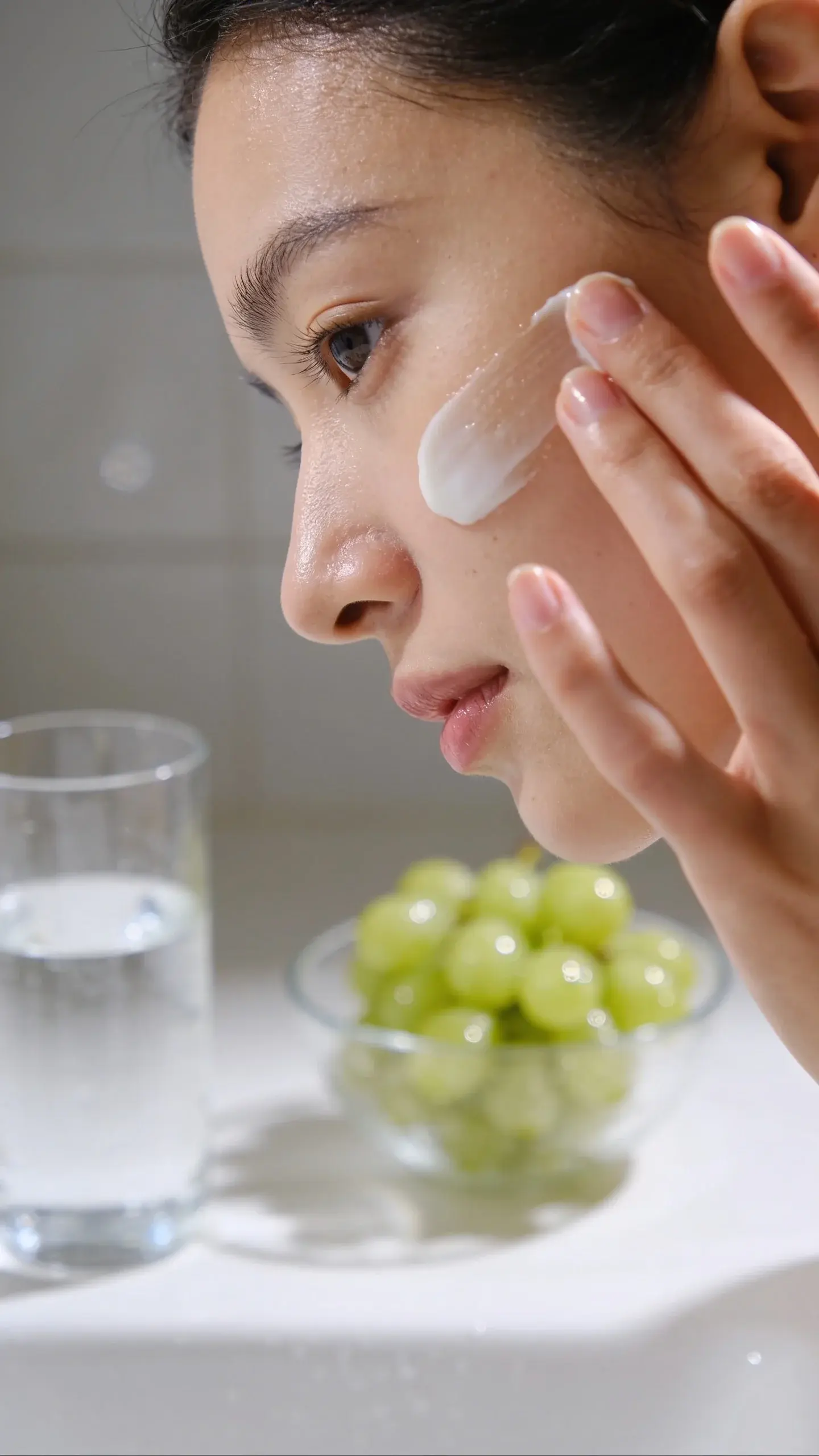
Your moisturizer should change with your climate, time of day, and how your skin feels. One-size-fits-all? Cute, but no.
- Gels/gel-creams: Best for dehydrated but breakout-prone skin. Look for glycerin/hyaluronic acid + light emollients.
- Creams: Daily go-to for dry skin—balanced humectant/emollient mix with a bit of occlusive.
- Balms/ointments: Nighttime heroes for flaky, cracked, or windburned skin. Petrolatum-based works wonders.
Seasonal Swaps
- Winter: Upgrade to a richer cream or layer a balm on top. Add a humidifier if your air’s drier than toast.
- Summer: Lighter textures plus humectants. Add SPF that feels comfy (gel or lotion sunscreens usually win).
How To Layer Like A Pro (Without 47 Steps)
You don’t need a maximalist routine. You need consistency and smart order.
- Cleanse with a gentle, non-stripping cleanser. Skip foamy, squeaky-clean nonsense.
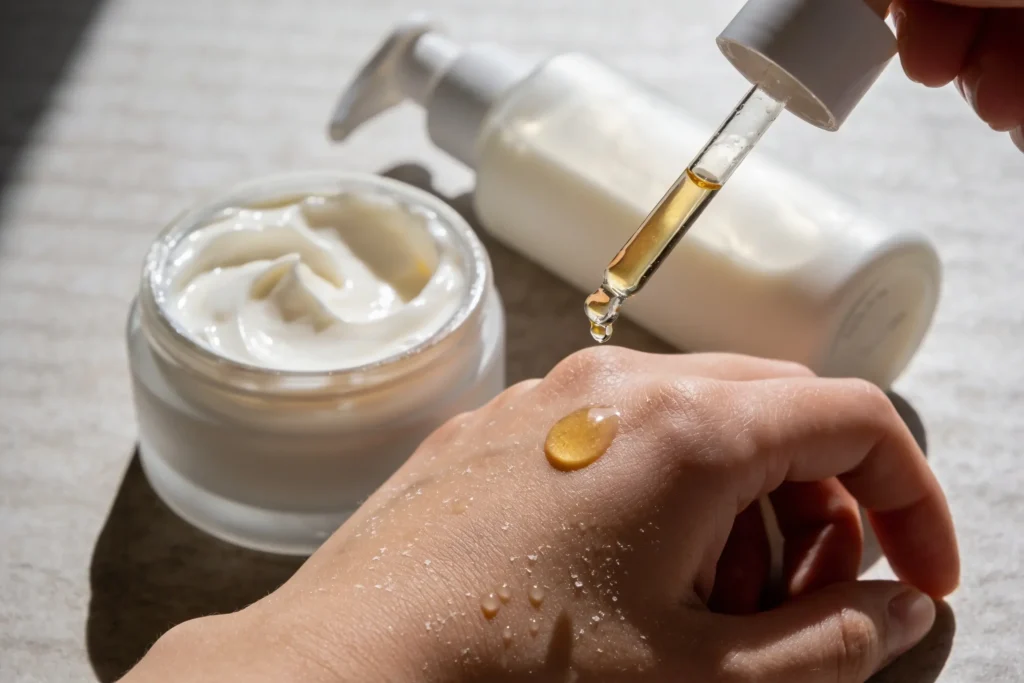
- While skin is damp (not dripping), apply a hydrating serum or mist—think glycerin or HA.
- Moisturizer that fits your texture needs. Spread gently; don’t over-rub.
- Seal stubborn dry spots with a dab of ointment at night (slug-lite, not full grease trap).
- AM only: Finish with broad-spectrum SPF 30+ every day, even if it’s cloudy. Yes, every day.
Pro Tips That Make A Big Difference
- Apply on damp skin: Locks in more water for plumper results.
- 30-second rule: Moisturize right after cleansing before water fully evaporates.
- Test patches: New products go behind the ear or jawline for 2–3 days. Thank me later.
Ingredients To Approach With Caution (Or Just Chill With)
I’m not anti-actives, but dry skin needs balance. Overdo it and you’ll be peeling like a croissant.
- Fragrance and essential oils: Lovely smell, potential irritation. If you’re sensitive, skip.
- Alcohol denat. high on the list: Can dehydrate. Some formulas buffer it, but why risk it?
- Strong exfoliants daily: AHAs/retinoids can help texture, but start 1–2x/week max and buffer with moisturizer.
- Clay masks: Rarely needed for dry skin. If you must, keep it to the T-zone and rinse early.
Build-Your-Own Routine (Budget To Bougie)
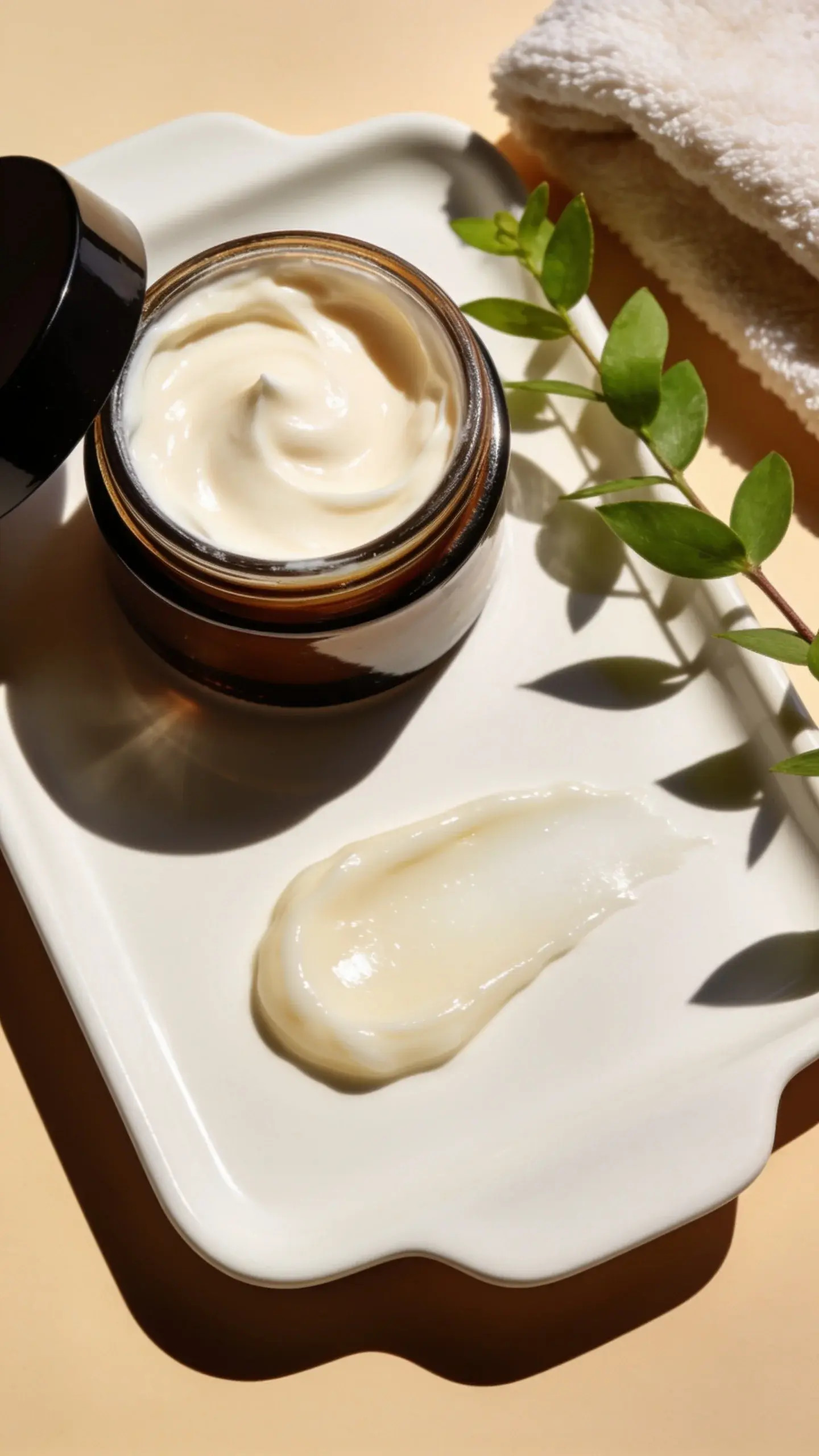
FYI, great moisturizers exist at every price. Prioritize formula over hype.
Budget-Friendly Picks (What To Look For)
- Keywords: Ceramides, glycerin, squalane, petrolatum, urea 5–10%, fragrance-free.
- Textures: Creams for PM, gel-cream for AM under makeup.
Mid-Range Crowd-Pleasers
- Keywords: Multi-ceramide blends, cholesterol, niacinamide, colloidal oatmeal, shea butter.
- Use-case: Barrier support when skin feels “angry.”
Splurge-Worthy (If You Want Bells And Whistles)
- What you’re paying for: Texture elegance, stability, extra soothing actives, airless packaging.
- Worth it when: You want ultra-calm, non-pilling layers under makeup and retinoids.
When Your Skin Barrier Waves The White Flag
If your face stings with water, you’ve overdone it. Time for barrier rehab, IMO.
- Strip it back: Gentle cleanser, bland moisturizer, SPF. That’s it for 1–2 weeks.
- Look for: Ceramides, cholesterol, fatty acids, oat, panthenol, squalane.
- Avoid for now: Retinoids, strong acids, vitamin C L-ascorbic acid, fragrance.
- Night fix: Light layer of petrolatum over moisturizer on flaky zones.
FAQ
Do I need a separate day and night moisturizer?
Not necessarily. Use one versatile cream and adjust with layers: lighter in the morning, balm or occlusive at night. If your AM makeup pills, switch to a gel-cream for daytime and keep the richer one for bedtime.
Is petroleum jelly bad for skin or “pore-clogging”?
Nope. Petrolatum is non-comedogenic and excellent at preventing water loss. It doesn’t add moisture by itself, so pair it with a hydrating layer underneath. Use thinly if you’re acne-prone.
Can I use oils instead of moisturizer?
Oils soften and seal, but they don’t add water. If you love oils, apply them over a humectant serum or moisturizer. Pure oil alone often leaves dry skin still thirsty.
What if moisturizers burn when I apply them?
That often signals a compromised barrier or irritating ingredients. Switch to fragrance-free, minimal formulas with ceramides and oat, and skip actives for a bit. If burning persists or you see rashes, see a derm.
How long before I see results?
You’ll feel relief right away if the formula fits. Texture and flaking usually improve within a week, and barrier strength builds over 2–4 weeks with consistent use. Take a quick selfie weekly to track progress—surprisingly motivating.
Do I still need moisturizer if I use hydrating serums?
Yes. Serums pull in water; moisturizers keep it there. Without a moisturizer, that water can evaporate fast and leave you drier by lunch.
Conclusion
Finding your perfect dry skin moisturizer isn’t a scavenger hunt—it’s matching texture and ingredients to your skin’s needs. Focus on the power trio (humectants, emollients, occlusives), apply on damp skin, and adjust with seasons. Keep it simple, consistent, and a little boring—your skin will glow, and your makeup won’t betray you by 2 p.m. FYI, that’s the real flex.