You want glow, not flakes. You need bounce, not tight, cranky skin. The right serum can flip that script fast—if you pick ingredients that actually do something. Let’s skip the hype and talk about what works, why it works, and how to build a routine that keeps your face cushy and happy.
Why Serums Beat Creams (Most Days)
Serums hit different because they pack high concentrations of actives in light textures that sink in fast. Think of them as the first responders for your moisture emergency. Then your moisturizer comes in like a cozy blanket to seal the deal. You want both, but for dry skin, a smart serum = core player.
The Hydration Dream Team: Ingredients That Actually Help
Let’s cut the fluff. These are the MVPs for dry skin, no filler.
Humectants: The Water Magnets
- Hyaluronic Acid (HA): Pulls water into the skin. Look for multi-weight HA (low, medium, high molecular sizes) for surface and deeper hydration.
- Glycerin: Old-school and unbeatable. It hydrates like a champ and plays well with others.
- Polyglutamic Acid: Holds 4x more water than HA (yes, really). Adds slip and smoothness.
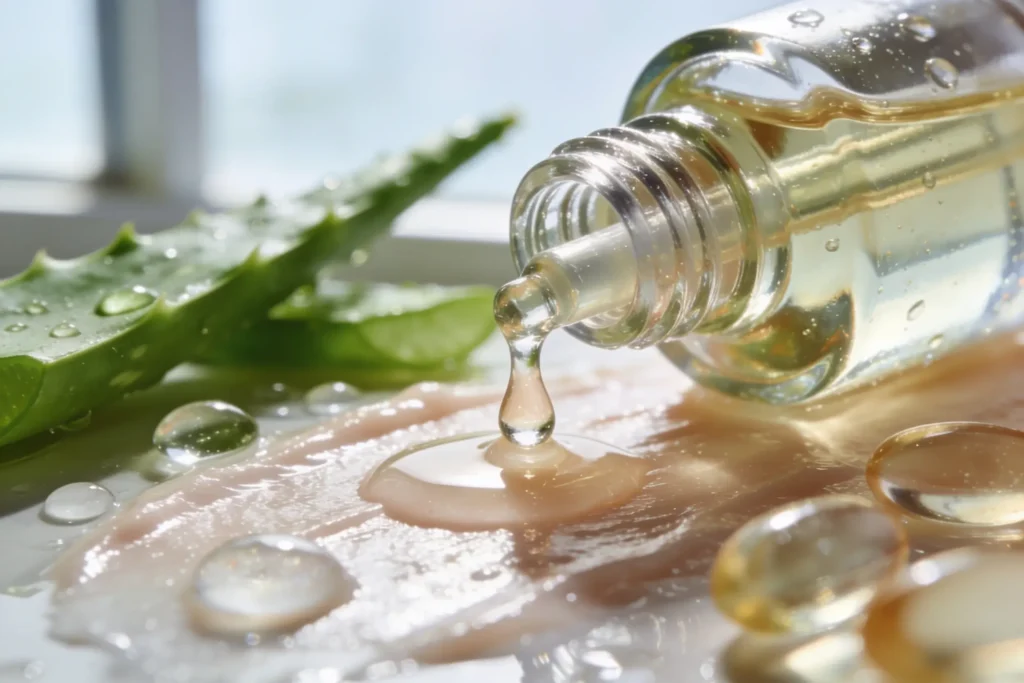
- Aloe, Betaine, Panthenol (B5): Gentle hydrators that calm irritation while adding moisture.
Barrier Builders: The Moisture Lock
- Ceramides: Rebuild your skin’s mortar so water doesn’t escape. Look for ceramide NP, AP, EOP.
- Cholesterol + Fatty Acids: Complete the barrier trio. Together with ceramides they mimic your skin’s natural lipids.
- Squalane: Lightweight oil that softens without greasiness. Great in serums for daytime comfort.
Soothers That Stop The Dryness Spiral
- Niacinamide (2–5%): Supports barrier function, evens tone, reduces redness. Keep it mid-strength for dry, sensitive types.
- Allantoin, Centella (Cica), Oat Extract: Calm, protect, and reduce that “my face is throwing a tantrum” feeling.
Smart Actives That Play Nice With Dry Skin
- Peptides: Signal smoother, bouncier skin. Great for fine lines from dehydration.
- Low-Strength Lactic Acid (≤5%): Gently exfoliates and adds hydration. Do not overdo it. Your barrier will file a complaint.
- Urea (2–5%): Mild keratolytic plus humectant. Softens rough patches and hydrates simultaneously.
How To Read A Serum Label Without Losing Your Mind
You don’t need a PhD—just a plan. Scan for:
- Top-tier humectant in the first 5–10 ingredients: glycerin or HA.
- Barrier trio: ceramides + cholesterol + fatty acids (or squalane).
- Soothers if you’re reactive: panthenol, allantoin, centella, oat.
- Avoid high alcohol denat. near the top if you’re super dry. It can feel tight, IMO.
- Fragrance-free if you’re sensitive; otherwise, light fragrance can be fine, FYI.
Ingredient Order And Percentages
Labels list highest to lowest concentration (mostly). If HA sits dead last, don’t panic—HA works at low %s. But if glycerin or panthenol sits high, that’s a green flag.
Building A Dry-Skin Serum Routine That Slaps (In A Good Way)
Keep it simple and strategic:
- Cleanse: Use a creamy, low-foaming cleanser. No squeak. Squeak = stripped.
- Mist or Damp Skin: Apply serum on slightly damp skin for better absorption.
- Hydrating Serum: Humectants + barrier builders. This is your daily rider.
- Seal: Follow with a ceramide-rich moisturizer. Add a drop of squalane if you’re Sahara-level dry.
- SPF (AM): Dry skin ages faster under UV. Sunscreen is your pension plan.
Night Moves
- PM Serum Stack: Hydrating serum first, then a peptide or gentle lactic acid serum on alternating nights.
- Slug-Lite: If you’re flaking, finish with a thin layer of petrolatum or balm on cheeks and around the nose.
Dry Skin Types: Pick Your Player
Not all dryness acts the same. Choose accordingly.
Dehydrated And Tight
- Look for: multi-weight HA, glycerin, polyglutamic acid, panthenol.
- Avoid: Strong exfoliants nightly. Your barrier needs a hug, not a peel.
Flaky And Sensitive
- Look for: ceramides + cholesterol + fatty acids, centella, oat, allantoin.
- Fragrance-free preferred. Patch test because your skin has main-character energy.
Mature And Dry
- Look for: peptides, niacinamide (2–4%), squalane, urea.
- Add retinoids, but buffer with your hydrating serum to avoid cardboard-face syndrome.
Serum Combos That Just Work
Try these simple pairings, then adjust.
AM: Plump And Protect
- Hydrating Serum (glycerin + multi-weight HA + panthenol)
- Niacinamide Serum (2–5%) if you want tone-evening/barrier support
- Moisturizer + SPF 30+
PM: Repair And Recharge
- Hydrating Serum
- Peptide Serum or gentle lactic acid every other night
- Thicker moisturizer; add squalane or a balm if needed
Common Mistakes That Keep You Dry
- Using only humectants with no seal: Water in, water out. Always follow with moisturizer.
- Over-exfoliating: More isn’t better. It’s just redder.
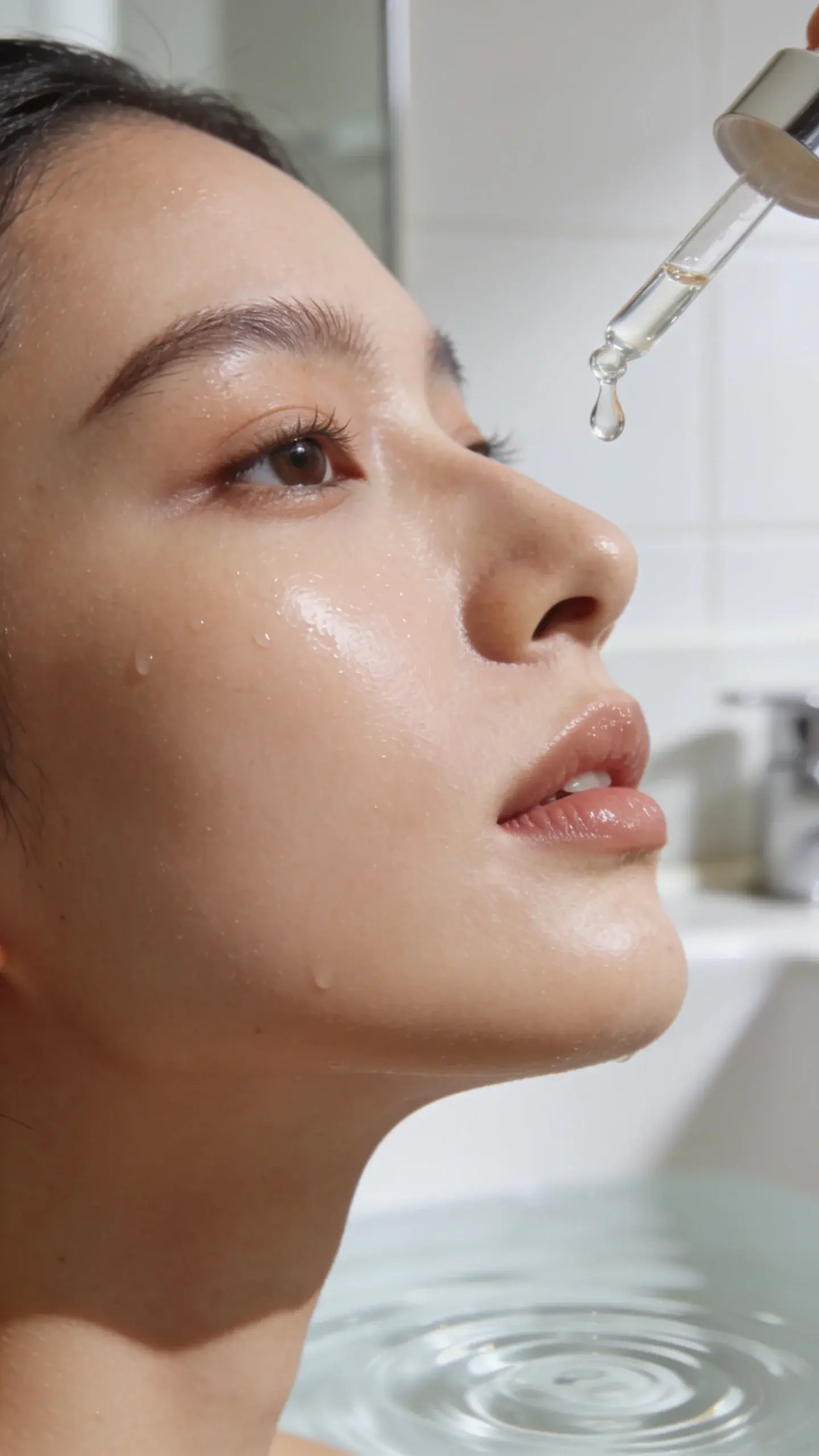
- Skimping on quantity: Use a full dropper for face/neck or enough to feel slip. Don’t be stingy.
- Bone-dry application: A tiny bit of dampness helps humectants shine.
What I’d Pick, IMO
I’d reach for a serum that lists glycerin high, includes multi-weight HA, packs panthenol and niacinamide (2–4%), and adds ceramides + cholesterol. Bonus points for squalane and centella. That combo hydrates, soothes, and strengthens instead of just making you shiny for 10 minutes.
FAQs
Do I need both a hydrating serum and a moisturizer?
Yes. The serum draws and layers in water; the moisturizer locks it down with emollients and occlusives. Skipping moisturizer after a hydrating serum often makes dryness worse because water evaporates. Think “serum = fill, moisturizer = seal.”
Can oily skin use hydrating serums too?
Absolutely. Oil ≠ water. Oily skin can still feel dehydrated and tight. Lightweight humectant serums with glycerin and HA work great under gel moisturizers. Keep ceramides in the mix if your barrier feels cranky.
Is hyaluronic acid enough on its own?
Not really. HA needs backup. Pair it with glycerin for deeper hydration and slap on a moisturizer to prevent transepidermal water loss. If HA-only serums leave you tight, that’s the evaporation talking.
How fast will I see results?
Hydration bumps up instantly—like within minutes. Barrier repair from ceramides and niacinamide takes 2–4 weeks of consistent use. Be patient and stay the course. Your skin is rebuilding, not speed-running.
Can I use acids or retinoids if I’m dry?
Yes, but go low and slow. Buffer with your hydrating serum, use gentle lactic acid a few nights a week max, and pick a creamy retinoid or apply moisturizer after. If you feel stingy or see flaky patches, pull back.
What about fragrance—dealbreaker or nah?
If you’re sensitive or eczema-prone, fragrance-free is safer. If not, a light scent won’t cancel your hydration. IMO, prioritize formula quality over fear. Patch test if you’re unsure.
Bottom Line
Dry skin doesn’t need 12 steps—it needs water, a strong barrier, and consistency. Grab a serum with glycerin + multi-weight HA, add ceramides/cholesterol/fatty acids, sprinkle in niacinamide and panthenol, then seal it with a legit moisturizer. Keep it damp, keep it sealed, and your face will go from parched to plush—no mirages required.