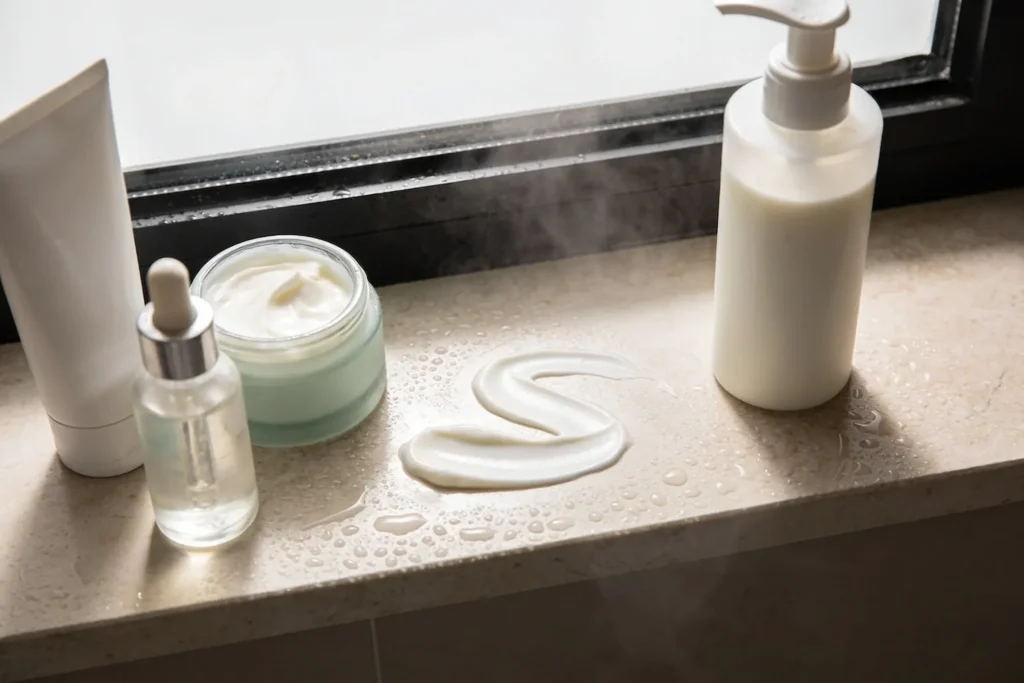
Dry skin doesn’t just feel tight—it nags, flakes, and ruins your makeup by noon. The right lotion turns that chaos into silky calm, fast. I’ll show you how to choose like a pro, skip the hype, and lock in moisture that actually lasts. Ready to stop reapplying every hour? Let’s fix this.
Why Your Skin Feels Like Sandpaper
Dry skin means your barrier lost water and lipids, so it leaks moisture like a sieve. Cold weather, hot showers, harsh cleansers, and low humidity all make things worse. Genetics plays a role too—some of us just came pre-installed with Sahara Mode. The fix? Replace what’s missing and seal it in.
The Three Ingredients That Do The Heavy Lifting
You don’t need a chemistry degree—just these three categories. Get one from each and your skin will thank you.
1) Humectants: The Water Magnets
Humectants pull water into your skin. Think instant plump.
- Hyaluronic Acid (multiple weights work best)
- Glycerin (inexpensive, super effective)
- Urea 5–10% (hydrates and gently smooths)
- Aloe (soothing, lighter feel)
Pro tip: In bone-dry climates, layer humectants under an occlusive. Otherwise they’ll steal water from your skin instead of the air. Rude.
2) Emollients: The Smoothers
Emollients fill in the rough spots and soften texture.
- Ceramides (rebuild your barrier—gold standard)
- Fatty Alcohols (cetyl, cetearyl—creamy feel)
- Squalane (lightweight, non-greasy)
- Shea Butter (rich, buttery, long-lasting)
3) Occlusives: The Moisture Lock
Occlusives trap water so it can’t escape. Think topcoat.
- Petrolatum (Vaseline-level seal, ultra effective)
- Dimethicone (silky, great under makeup)
- Beeswax (natural option, adds grip)
- Lanolin (powerful but can irritate some)
Not into greasiness? Look for “cream” or “balm” with dimethicone high on the list.
How To Choose The Right Lotion For Your Dry Skin Type
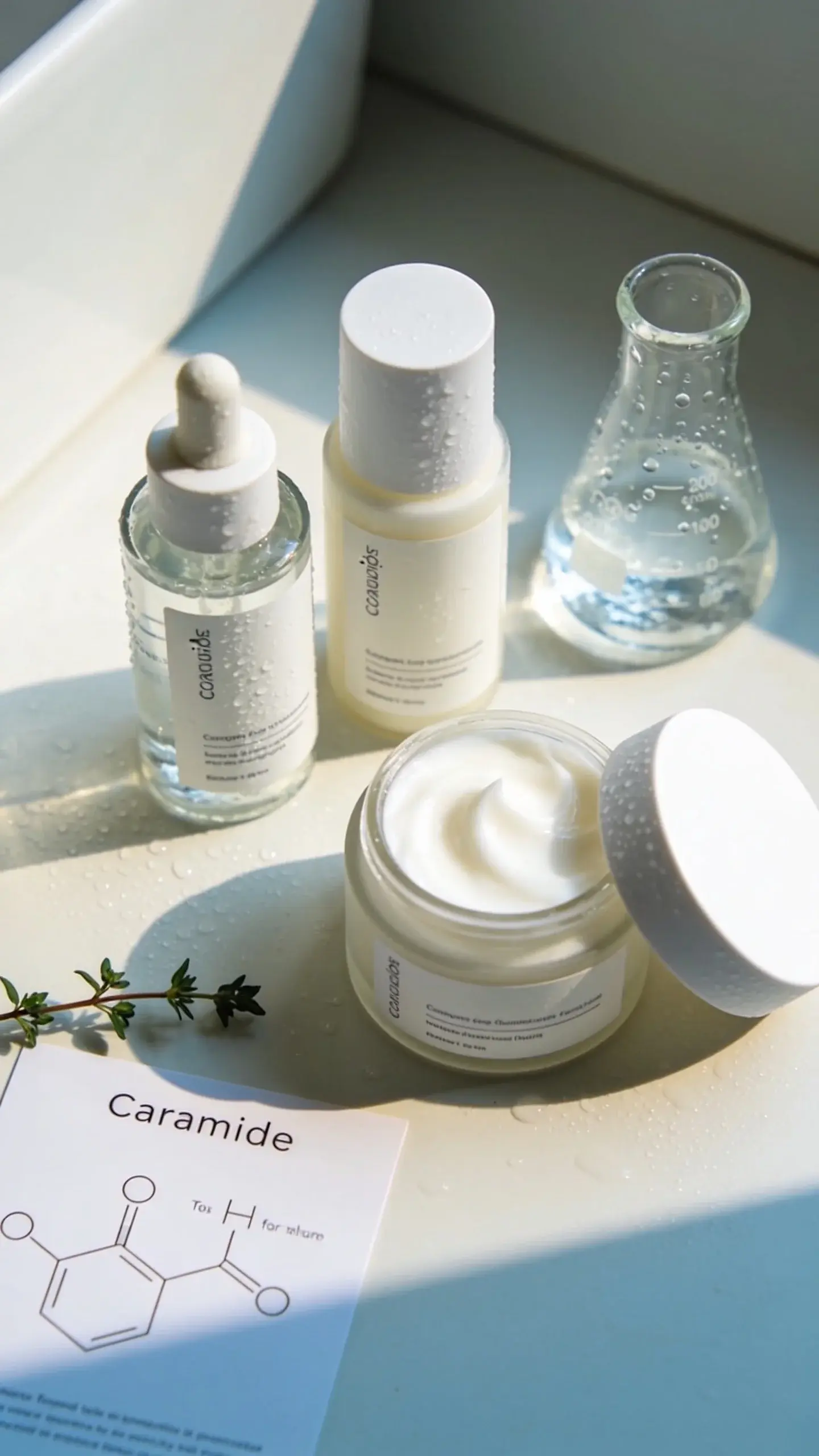
Different dry isn’t the same dry. Pick your scenario:
If You’re Dry And Sensitive
Go fragrance-free, dye-free, and alcohol-light. Seek ceramides + glycerin + dimethicone. Minimalist formulas win.
- Labels to look for: “Fragrance-Free,” “Hypoallergenic,” “Non-Comedogenic.”
- Avoid: Strong essential oils, high menthol/eucalyptus, heavy fragrance.
If You’re Dry And Itchy
Add colloidal oatmeal or 0.5–1% hydrocortisone short-term (for body, not daily forever). Urea 5–10% calms flaky patches without stinging (usually).
If You’re Dry And Acne-Prone
Yes, you still need moisture. Choose lightweight creams with squalane, glycerin, HA, and dimethicone. Skip coconut oil and heavy butters on the face. IMO, ceramides are your bestie.
If You’re Dry From Retinoids Or Exfoliants
You need barrier repair on repeat: ceramides, cholesterol, fatty acids. Add a thin layer of petrolatum on top at night if you can handle it (slug-lite).
Lotion, Cream, Or Balm: What’s The Difference?
– Lotion: Lightest, more water than oil. Great for normal-to-dry or daytime under clothes/makeup.
– Cream: Middleweight, balanced water and oil. Perfect for dry or seasonally dry skin.
– Balm/Ointment: Thick, mostly occlusive. Nighttime hero for cracked knuckles, heels, or windburn.
Rule of thumb: Colder weather = thicker texture. FYI, a good cream often beats a mediocre balm.
Reading The Label Without Crying
Ingredients appear by concentration order (mostly). Aim for your heroes in the top half.
- Top-tier picks: Glycerin, hyaluronic acid, urea, ceramides (NP/EOP/AP), cholesterol, squalane, dimethicone, petrolatum.
- Nice extras: Niacinamide (barrier support), panthenol (soothing), allantoin (comfort).
- Proceed with caution: Strong fragrance, essential oils (especially citrus), high denatured alcohol.
If the label reads like a perfume shop, hard pass—especially for face and sensitive spots.
Application Hacks That Make Any Lotion Work Harder
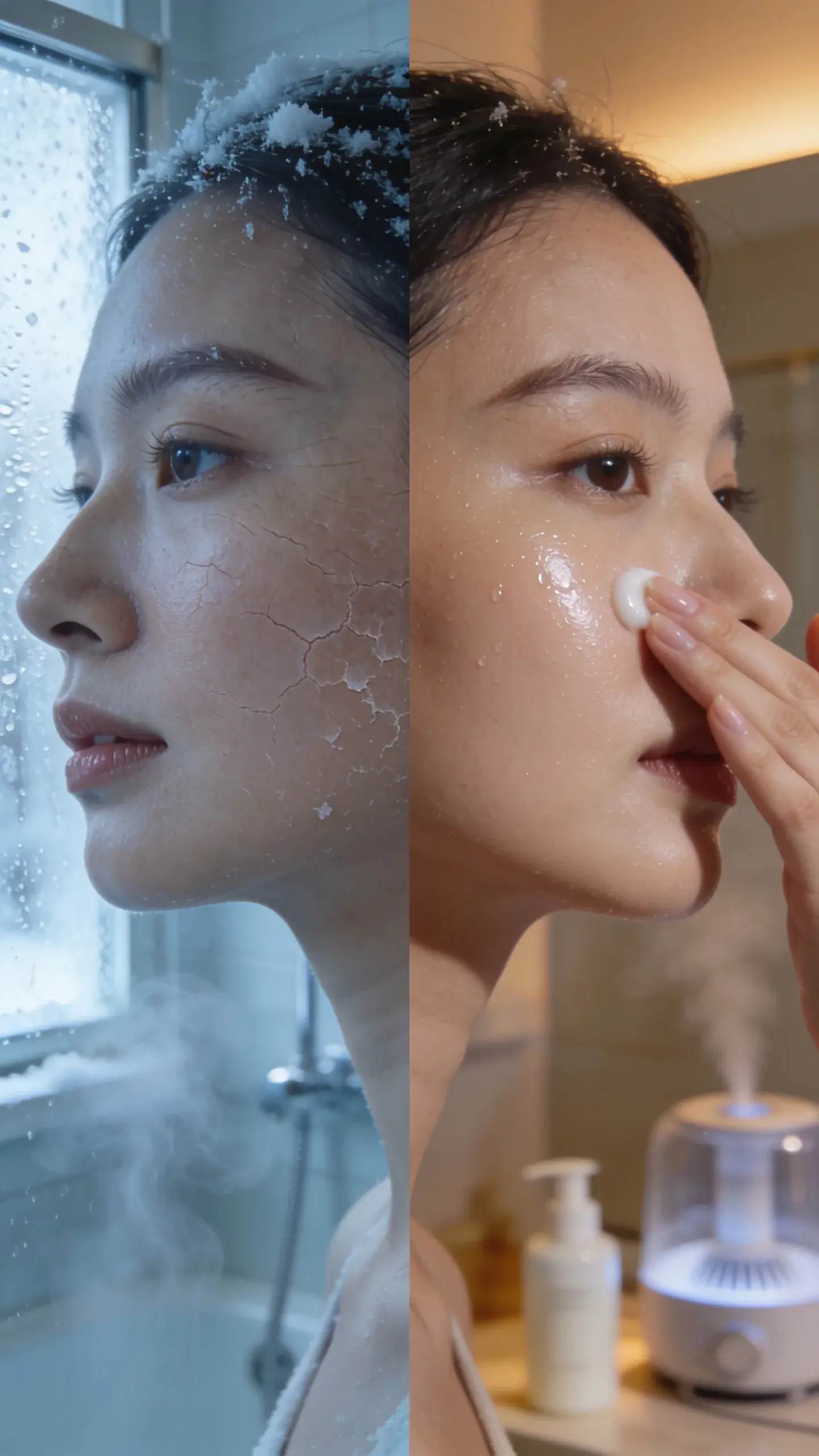
You can buy the fanciest cream on earth. If you apply it wrong, it won’t flex. Do this instead:
The Damp-Skin Rule
Apply within 60 seconds of cleansing or showering. Lock in that water before it evaporates.
Layer Like A Pro
– Step 1: Humectant serum or light lotion (glycerin/HA).
– Step 2: Cream with ceramides or squalane.
– Step 3: Thin occlusive on dry patches at night (petrolatum or balm).
Don’t Ignore Frequency
Reapply hands after every wash. Feet and elbows get nightly cream + socks/long sleeves. Consistency beats “miracle” claims.
Popular Ingredient Combos That Actually Deliver
– Ceramides + Cholesterol + Fatty Acids: Rebuilds the barrier foundation.
– Urea 10% + Glycerin: Deep hydration plus gentle smoothing for flakes.
– Hyaluronic Acid + Dimethicone: Plump then seal—great under makeup.
– Niacinamide + Squalane: Calms redness and strengthens skin, non-greasy finish.
Budget Vs. Splurge: Where To Spend
You don’t need luxury pricing for hydration. Spend more if you want elegant textures, unique delivery systems, or sensitive-skin testing.
- Save: Body creams with glycerin, urea, and dimethicone; fragrance-free pharmacy brands.
- Splurge (optional): Multi-ceramide complexes, micro-encapsulated actives, ultra-cosy textures you’ll actually use daily.
IMO, the best product is the one you love enough to apply religiously.
FAQs
Should I use lotion or oil for dry skin?
Use both strategically. Oils and balms seal moisture in, but they don’t add water. Start with a water-based lotion or cream (humectants/emollients), then seal with a few drops of oil or an occlusive on top if you need extra protection.
Is petrolatum safe for acne-prone skin?
Yes. Petrolatum ranks low on the comedogenic scale and sits on top as a sealant. The issue comes from what’s underneath—so apply it over non-comedogenic layers and avoid very thick application on active breakouts if you’re nervous.
How fast should a good lotion work?
You should feel relief within minutes and see flake reduction in a few days. For barrier repair, give it 2–4 weeks of consistent use. If you’re not seeing improvement, switch textures or add ceramides/urea.
Can I use body lotion on my face?
Sometimes, yes—if it’s fragrance-free, non-comedogenic, and not too heavy. Many face-specific creams just refine texture and add extras. If a body cream feels greasy or pills under sunscreen/makeup, reserve it for neck and below.
What if lotions sting on application?
Stinging often means your barrier’s compromised. Simplify. Choose fragrance-free formulas with ceramides, cholesterol, and panthenol. Skip acids/retinoids temporarily, and avoid hot water. If stinging persists or you see a rash, patch test and consider a derm check.
Do I need a different lotion for winter?
Likely. Dry indoor heat and cold wind hit hard. Swap your lotion for a cream, add urea or ceramides, and top with an occlusive at night. Humidifier + shorter showers = chef’s kiss.
Conclusion
You don’t need a unicorn potion to fix dry skin—you need the right humectant + emollient + occlusive combo, applied on damp skin, consistently. Choose fragrance-free if you’re sensitive, go thicker when it’s colder, and seal the deal at night. Do that, and flaky, thirsty skin becomes soft, smooth, and low-maintenance—finally. FYI: Your towels and turtlenecks will thank you.