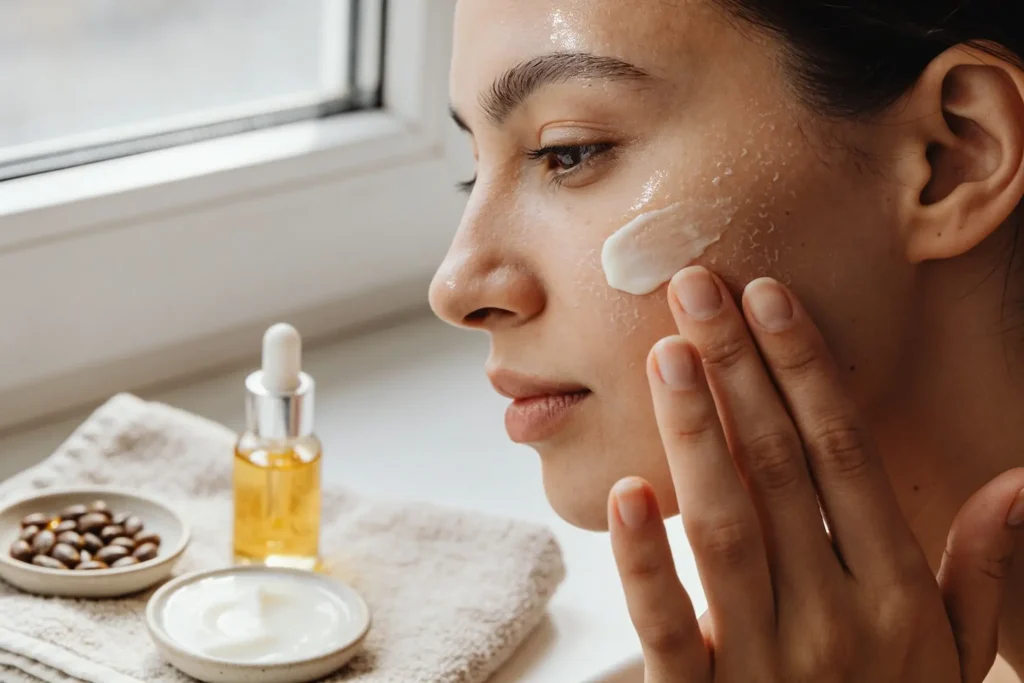
Dry, flaky face making you feel like a lizard? Same. The good news: you can fix it without emptying your wallet at a fancy skincare counter. We’ll dive into natural, science-backed tricks that hydrate, calm, and protect — without the greasy aftermath. Ready to glow without the guesswork? Let’s go.
Why Your Face Feels Like Parchment Paper
Your skin barrier acts like a bouncer, keeping moisture in and irritants out. When it gets cranky, you see tightness, flakes, and redness. What messes with it? Over-washing, hot showers, harsh actives (hello, retinol overload), dry air, and not enough moisturizer. Hormones and meds can pile on, too.
Quick Self-Check
- Feels tight after cleansing? Barrier’s thirsty.
- Makeup clings to flakes? Time to exfoliate gently and hydrate smarter.
- Burning or stinging with products? Simplify and soothe.
Cleanse Like You Care: Gentle, Low-Foam Washes
Harsh cleansers strip oils your face actually needs. You want a creamy, low-foam, pH-balanced cleanser. If your face feels squeaky, that’s a red flag.
Natural-leaning Cleansing Options
- Milk or cream cleansers: Nourishing and non-stripping.
- Oil cleansing (lightweight oils): Massage a few drops of jojoba or squalane, then emulsify with a warm, damp cloth. Avoid coconut oil if you clog easily.
- Micellar water: Great on lazy nights. Follow with water if you’re acne-prone, IMO.
Layer Hydration: Humectants + Occlusives = Match Made In Skin Heaven

Your best strategy? Sandwich moisture. First draw water in, then seal it.
Step 1: Humectants (On Damp Skin)
- Aloe vera gel: Cooling hydration without stickiness.
- Glycerin or hyaluronic acid serums: Tiny amount on damp skin only. Too much on dry skin can feel tight.
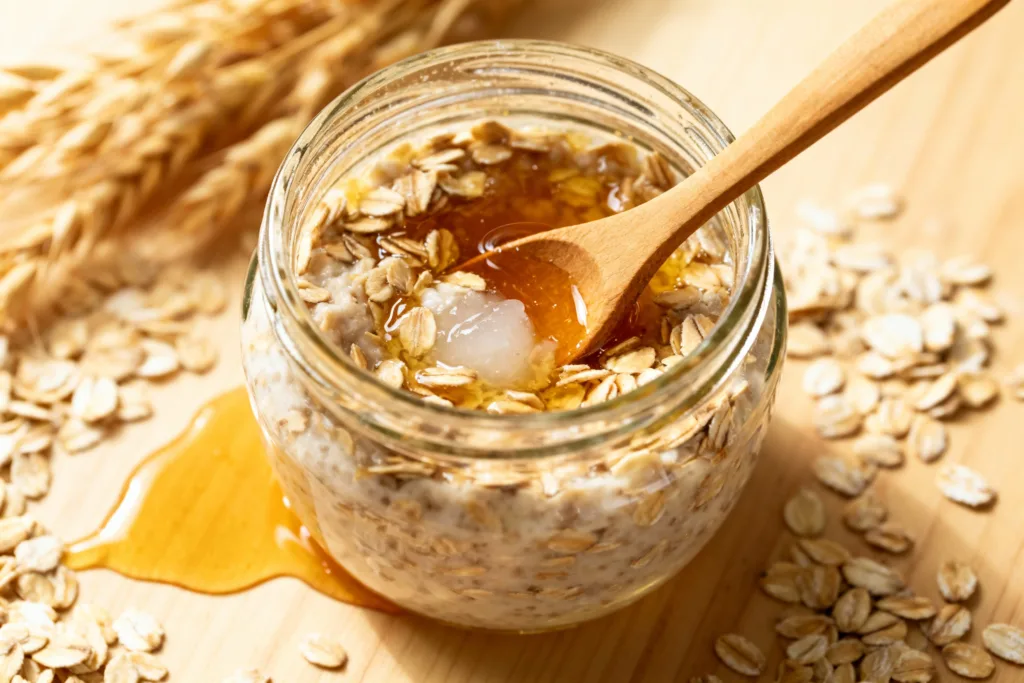
- Honey masks: A thin layer for 10 minutes adds hydration and softness.
Step 2: Emollients and Occlusives (Seal The Deal)
- Squalane: Lightweight, fast-absorbing, great daily.
- Jojoba oil: Skin-friendly and balancing.
- Shea butter or ceramide creams: Lock moisture in; use a pea-size to avoid greasiness.
- Slugging (selective): Dab petroleum jelly on dry patches overnight. Avoid if you’re very acne-prone.
Exfoliate Smarter, Not Harsher
Over-exfoliation equals instant desert face. Keep it gentle and infrequent.
Best Options For Dry, Sensitive Skin
- Lactic acid (low strength): Once a week to smooth flakes and boost hydration.
- Enzyme masks (pumpkin, papaya): Mild polish without the scrubby micro-tears.
- Soft washcloth buff: Once weekly, minimal pressure. Your face isn’t a frying pan.
Skip walnut or apricot scrubs, daily peels, and anything that stings like hot sauce.
DIY Masks That Don’t Backfire
You don’t need a kitchen lab to get results. Keep it simple, patch test, and avoid potential irritants like cinnamon and lemon.
Three Easy Recipes
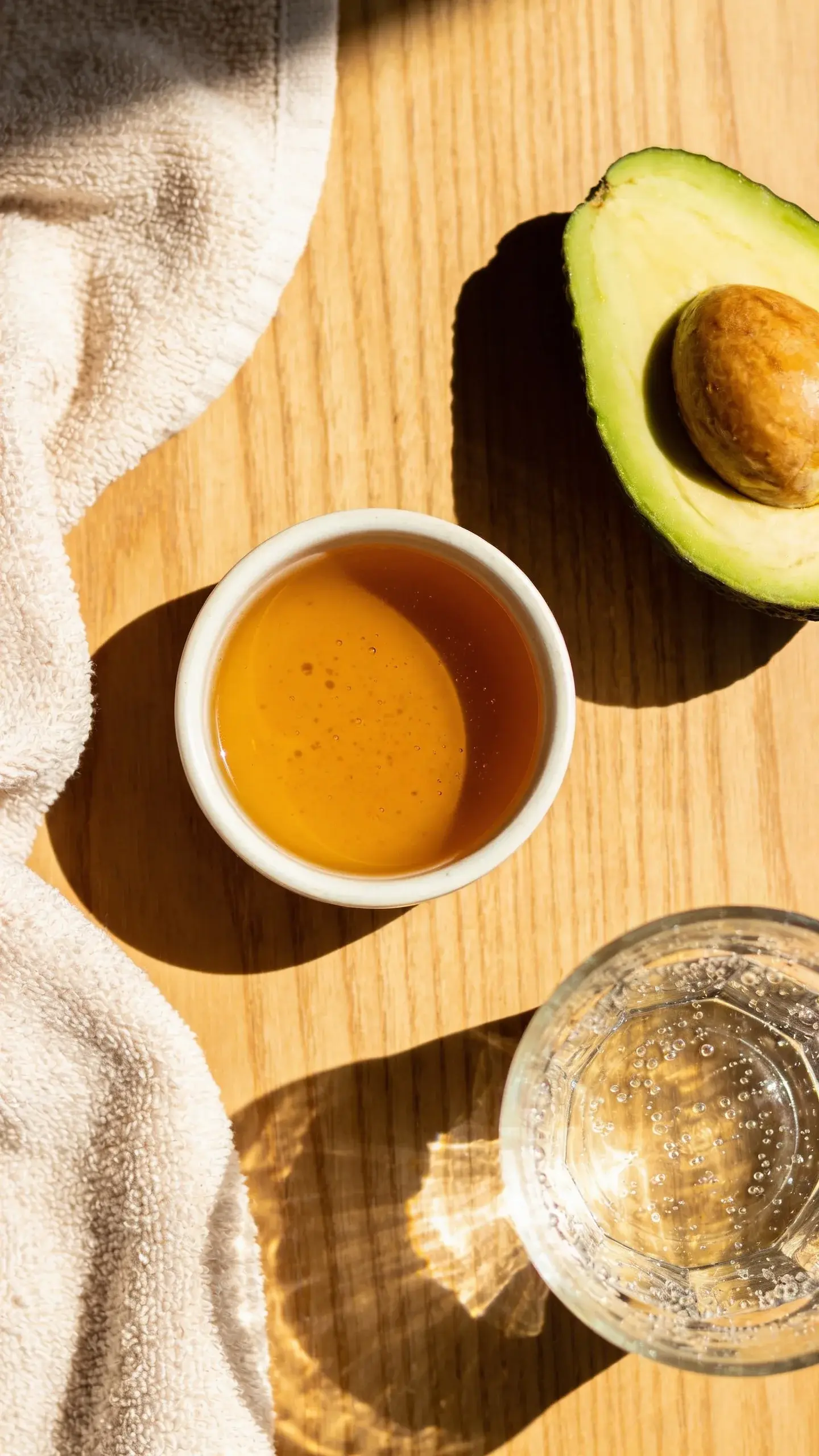
- Honey + Yogurt Soother: 1 tsp raw honey + 1 tbsp plain yogurt. Apply 10 minutes, rinse with lukewarm water. Calms and hydrates.
- Aloe + Squalane Quench: 1 tsp aloe gel + 2–3 drops squalane. Layer over damp skin for 15 minutes, then gently tissue off excess.
- Oat Milk Compress: Soak oats in warm water, strain the “milk,” soak cotton pads, apply for 10 minutes. Oats = anti-itch heroes.
Day vs. Night: Your Dry-Skin Routine Map
Morning
- Splash with water or use a creamy cleanser if needed.
- Hydrating mist or dampen skin with water.
- Humectant serum (glycerin or HA).
- Ceramide-rich moisturizer.
- SPF 30+ mineral sunscreen — dryness worsens without UV protection.
Night
- Gentle cleanse.
- Soothing serum (niacinamide 2–5% or panthenol) — great for barrier support.
- Moisturizer, then a few drops of squalane.
- Optional: Patch slug the driest areas with petrolatum.
Weekly Boosters
- 1x lactic acid or enzyme mask.
- 1–2x rich cream mask or oat compress.
Lifestyle Tweaks That Quiet The Flakes
Your face lives in the same climate you do. Adjust the habitat.
- Humidifier by your bed: Aim for 40–50% humidity. Your plants and your face will both cheer.
- Warm, not hot showers: Hot water chases away lipids like it’s a sport.
- Short “skin fasts” from actives: Pause strong retinoids or acids when flaky.
- Healthy fats and fluids: Add salmon, walnuts, olive oil; sip water throughout the day. No need to drown yourself, FYI.
- Gentle fabrics: Swap scratchy towels for soft microfiber and pat dry.
Ingredients To Love (And A Few To Side-Eye)
Hero Hydrators
- Ceramides: Refill the skin barrier “mortar.”
- Panthenol and allantoin: Calm and reduce redness.
- Colloidal oatmeal: Soothes irritation and itch.
- Urea (2–5%): Hydrates and smooths rough spots without drama.
- Squalane and jojoba: Lightweight, non-greasy moisture.
Use With Caution
- Essential oils: Fragrant but risky for sensitivity; patch test always.
- High-strength retinoids and acids: Build up slowly; buffer with moisturizer.
- Alcohol-heavy toners: Quick tightness now, more flakes later. Hard pass, IMO.
When Dry Turns Into “Help”: Red Flags
If you see cracks that bleed, intense itching, a rash, or persistent redness, consider eczema or contact dermatitis. Also, sudden severe dryness can link to medications or thyroid shifts. Talk to a dermatologist for targeted care — you’ll save time and skin sanity.
FAQ
Can I use oils if I have dry but acne-prone skin?
Yes, choose light, non-comedogenic options like squalane or jojoba and use a few drops over moisturizer. Avoid heavy, pore-clogging oils (coconut for face is a maybe-not). Patch test and start every other night.
How often should I exfoliate if I’m flaky?
Once weekly with a gentle lactic acid or enzyme mask works for most. If you still see flakes, fix hydration first; over-exfoliating just creates a flaky-feedback loop.
What’s the fastest way to calm a tight, dry face?
Mist or splash with lukewarm water, apply a humectant serum (glycerin/HA), then a ceramide cream and 2–3 drops of squalane. For hot irritation, add an oat compress for 10 minutes.
Does drinking more water fix dry skin?
Hydration helps overall health, but skin dryness usually needs topical fixes. Think humidifier, gentle cleanser, and a moisturizer that actually seals water in. Internal water + external barrier care = win.
Is petroleum jelly bad for skin?
Nope. It’s occlusive, which means it traps moisture. Use it on top of a hydrating routine or just on dry patches. If you’re breakout-prone, keep it targeted rather than full-face.
Can natural remedies replace moisturizers?
Some can help (honey, aloe, oat), but a well-formulated moisturizer with ceramides and lipids makes life easier and results more reliable. Combine both for best outcomes.
Wrap-Up: Your Glow-Getter Game Plan
Be kind to your barrier: gentle cleanse, hydrate on damp skin, seal with lipids, protect with SPF. Exfoliate lightly, humidify your space, and eat your good fats. If irritation roars, pare back and soothe. Stick with it for two weeks and watch the flakes peace out — your face will say “thank you,” even if it can’t text you back.