If your face feels tight by noon and turns flaky by dinner, you’re in the right place. We’ll cut through the noise and build a routine that keeps your skin cushy, calm, and glowing. Expect simple steps, smart ingredients, and zero gatekeeping. Ready to ditch the sandpaper vibe?
Know Your Dry Skin: What’s Really Going On?
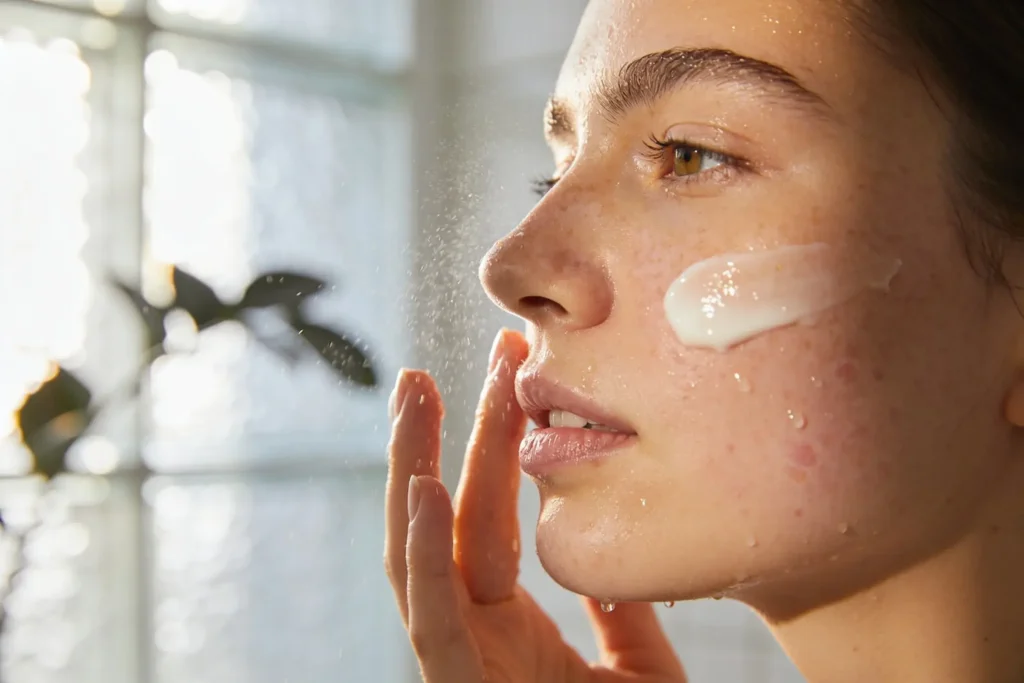
Dry skin means your barrier doesn’t hold onto water well. It can look dull, tight, or scaly, and makeup might cling to patches like it owes rent. Sometimes it also feels sensitive because a compromised barrier lets irritants sneak in.
Big difference: Dry skin lacks oil. Dehydrated skin lacks water. You can have both (fun, right?). If your skin drinks moisturizer but still looks crepey, you likely need more water-binding ingredients.
Common Triggers
- Cold weather and low humidity: Air steals moisture from your face.
- Hot showers and harsh cleansers: They strip natural oils.
- Over-exfoliating: Great way to wreck your barrier, FYI.
- Fragrance and alcohol-heavy formulas: Potentially irritating and drying.
Build a No-Fuss, All-Win Routine
Keep it simple. Consistency beats a 10-step routine every time, IMO.
AM Routine
- Gentle Cleanser (or skip): If your skin isn’t dirty, splash with lukewarm water. Use a creamy, non-foaming cleanser if needed.
- Hydrating Toner/Essence: Look for glycerin, hyaluronic acid, or panthenol. Press onto damp skin.
- Serum: Choose one: hyaluronic acid for hydration or a peptide/niacinamide blend to strengthen.
- Moisturizer: Go for a cream with ceramides and cholesterol. Think cushiony, not greasy.
- Sunscreen: SPF 30+ every day. Hydrating formulas double as a moisture layer.
PM Routine
- Cleanser: Use a gentle cream or oil cleanser. If you wear makeup, do a soft double cleanse (oil, then cream).
- Hydrating Layer: Mist or lightly dampen skin, then apply your hydrating serum.
- Treatment (optional): If using retinoids, buffer with moisturizer (sandwich method) to reduce dryness.
- Moisturizer: Thicker than your AM cream is fine.
- Occlusive (optional): A thin layer of petrolatum or a balm over dry spots seals everything in.
Ingredient Hit List: What Actually Helps
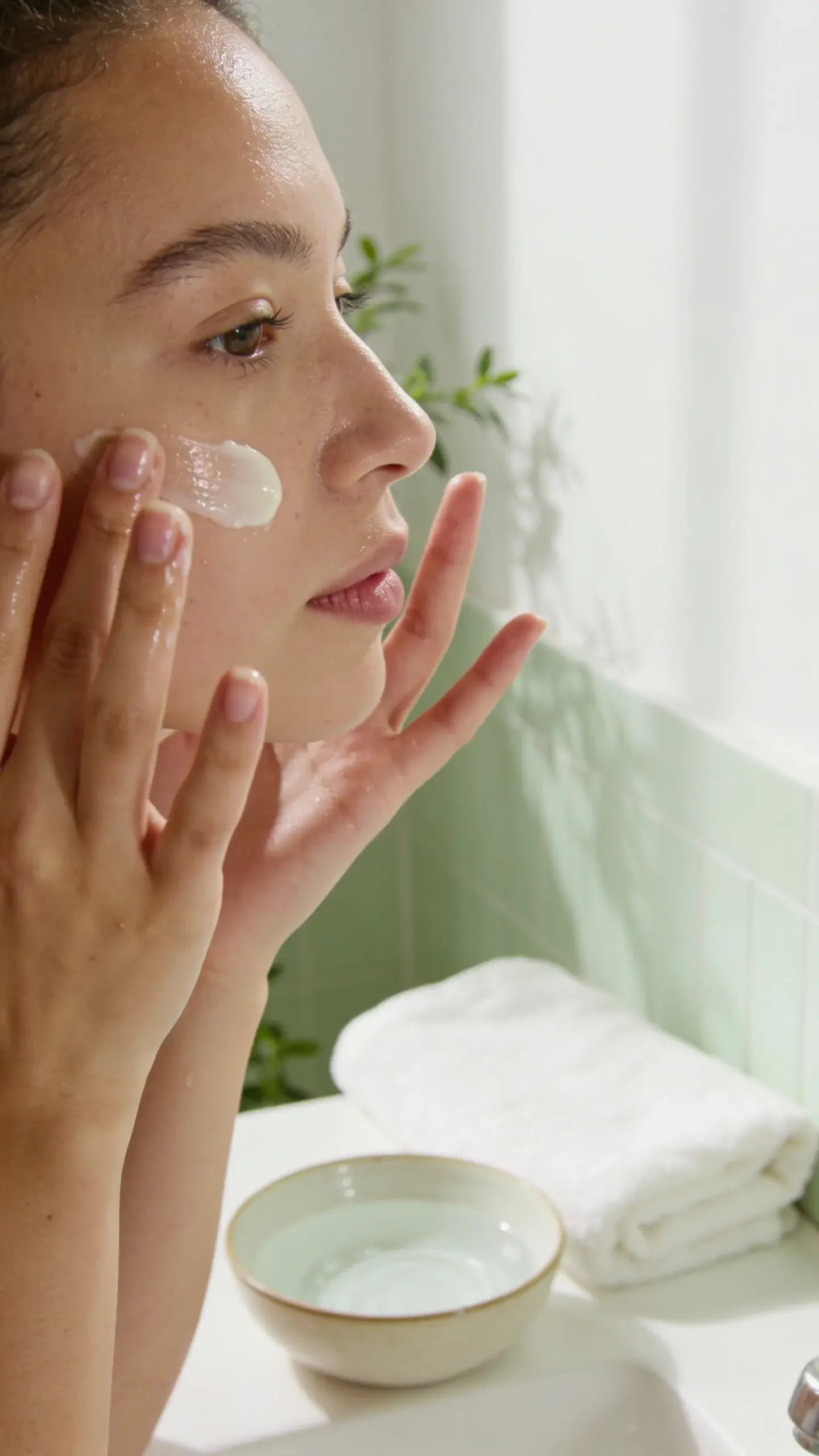
You don’t need the whole beauty aisle. Just the right few.
Hydrators (Pull Water In)
- Glycerin: Affordable MVP. Works in all seasons.
- Hyaluronic Acid: Great on damp skin; seal with cream or it can backfire.
- Panthenol (B5): Soothes and supports the barrier.
Barrier Builders (Strengthen + Calm)
- Ceramides + Cholesterol + Fatty Acids: Refill what dry skin lacks.
- Niacinamide (2–5%): Balances oil/water, reduces redness, supports barrier.
- Colloidal Oat/Aloe: Gentle calmers for irritation.
Occlusives (Lock It In)
- Petrolatum: Gold standard for sealing moisture (non-comedogenic, BTW).
- Squalane: Lightweight oil that mimics skin lipids.
- Shea Butter: Rich, comforting, great for winter.
Exfoliation: Gentle, Strategic, Infrequent
Overdoing exfoliation is barrier sabotage. Do less, glow more.
How Often?
- 1–2x/week max for most dry skin.
- Skip if you feel tightness or see flaking. Heal first.
What to Use
- PHA (gluconolactone, lactobionic acid): Mild, hydrating.
- Lactic Acid (5–10%): Gentle chemical exfoliant with humectant vibes.
- Soft washcloth or enzyme masks: Non-scratchy options for flakes.
Seasonal Swaps And Lifestyle Upgrades
Your skin hates extreme shifts. Adjust before it freaks out.
Winterizing Your Routine
- Switch to cream cleansers and richer moisturizers.
- Use a humidifier at 40–50% humidity. Game changer.
- Layer like a lasagna: mist, serum, cream, then occlusive on hotspots.
Summer Simplification
- Lightweight gel-cream with ceramides works.
- Hydrating sunscreen = fewer layers.
- Still moisturize at night, just less heavy.
Daily Habits That Help
- Short, lukewarm showers: Hot water = moisture thief.
- Pat, don’t rub, when drying your face.
- Protein + healthy fats support skin from the inside. Think salmon, avocado, nuts.
- Hydrate smart: Water helps overall, but topical hydration matters more for dryness.
Makeup Moves For Dry Skin
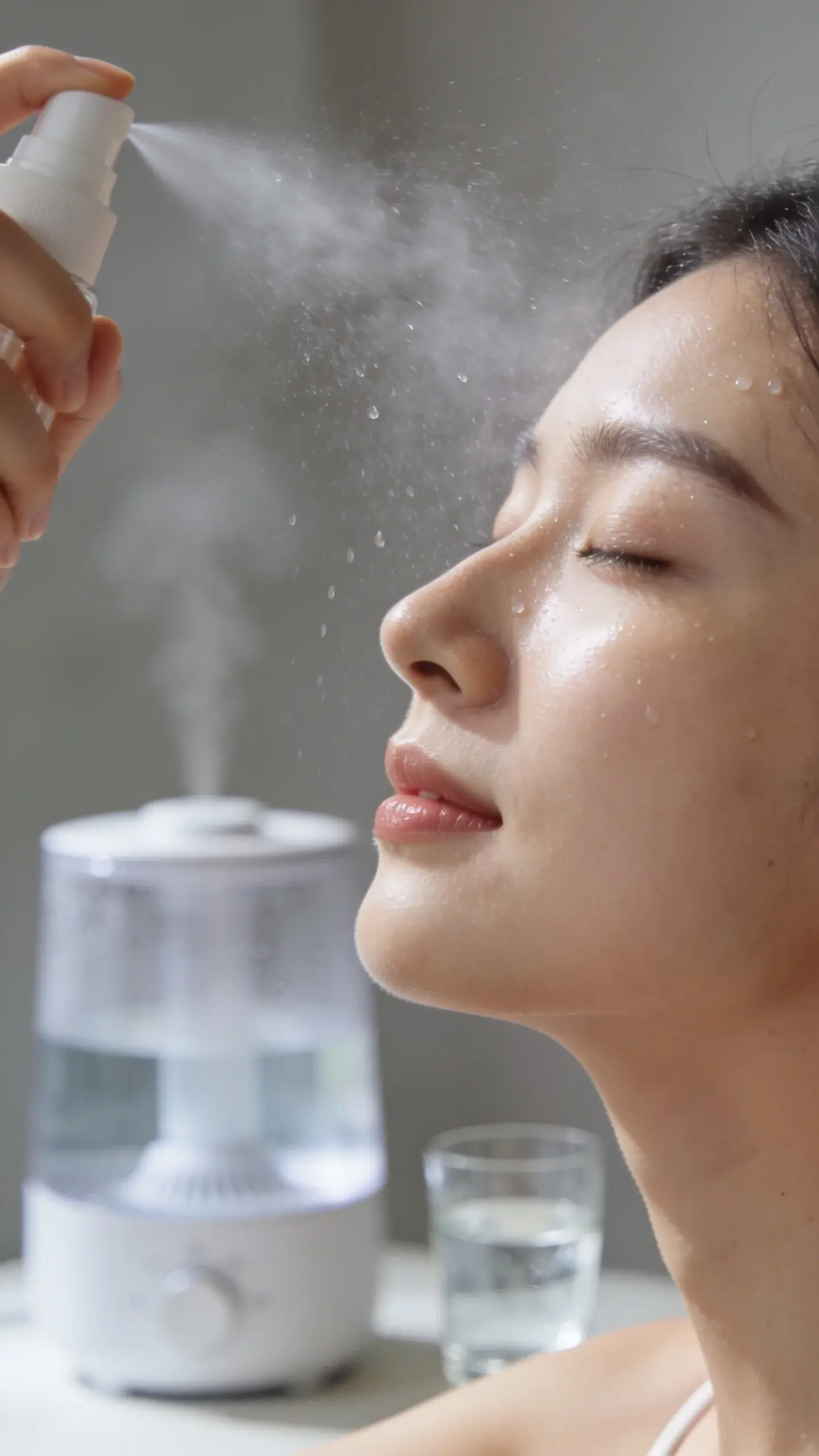
Yes, you can wear foundation without announcing every flake to the world.
Pre-Game Prep
- Moisturize generously and wait 5–10 minutes.
- Use a hydrating primer with glycerin or squalane.
Application Tips
- Choose hydrating or serum foundations, skip matte when possible.
- Apply with a damp sponge for a skin-like finish.
- Cream blush/bronzer beats powder for dry skin.
- Mist lightly to melt layers together.
What To Avoid (Or Use With Caution)
A few usual suspects can keep you stuck in the dry zone.
- Foaming/high-pH cleansers: Stripping equals tightness.
- Strong retinoids without support: Buffer or choose gentler retinal/encapsulated options.
- Fragrance-heavy products if sensitive: Patch test first.
- Daily acids or scrubs: Your barrier is not a DIY project.
- Alcohol-heavy toners: Not the hydrating vibe we want.
FAQs
How do I know if my skin is dry or dehydrated?
Pinch your cheek. If it wrinkles easily and looks papery, that’s dehydration (needs water). If your skin feels rough, tight, and looks dull even with enough water, it’s dry (needs oil/lipids). You can have both, so stack hydrators under a lipid-rich cream.
Can oily skin be dehydrated?
Absolutely. You can produce oil yet lack water. Then your skin overcompensates with more oil, which feels greasy but weirdly tight. Add humectants and a light moisturizer, not just mattifiers.
Do I need face oil if I already use moisturizer?
Not always. A good cream with ceramides and fatty acids might cover you. If you still feel tight, add a drop or two of squalane or marula to your moisturizer or press it on top.
What’s the best way to use hyaluronic acid?
Apply on damp skin, then seal with a moisturizer. In very dry climates, skip standalone HA or pair it with glycerin-rich formulas and a good cream so it doesn’t pull water out of your skin.
Is slugging safe for everyone?
Slugging (a thin layer of petrolatum on top) works for very dry or compromised skin, especially in winter. If you clog easily, slug only on dry patches or use lighter occlusives like squalane. Avoid slugging over active breakouts.
How long until I see results?
Hydration boosts can show up the same day. Barrier repair takes 2–6 weeks of consistent, gentle care. Stick with it, and don’t chase every new launch, IMO.
Conclusion
Dry skin doesn’t need drama—it needs strategy. Cleanse gently, layer hydrators, lock them in with lipids, and keep exfoliation on a short leash. Make small seasonal tweaks, and your face will go from flaky to plush. Keep it consistent, keep it kind, and your glow will do the talking.