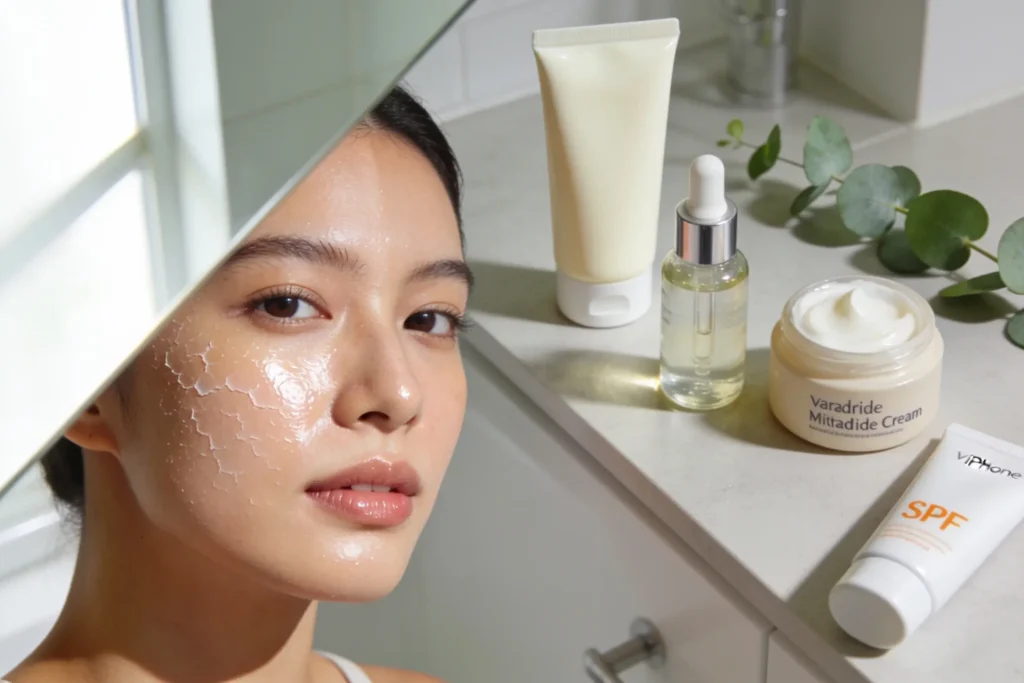
Dry skin feels tight, flaky, and somehow both dull and shiny at the same time. You don’t need a 15-step routine to fix it—you need a smart, simple plan. This guide breaks down exactly what to use, when to use it, and what to ditch. Ready to go from parched to plush? Let’s do it.
How To Tell If You Actually Have Dry Skin
Dry skin isn’t just “a little dehydrated.” It lacks oil, not just water. If your face still feels tight after moisturizing, makeup clings to patches, and your pores look tiny, you’re likely dry.
Dry vs. Dehydrated: Quick Test
– Pinch test: Gently pinch your cheek. If it looks crepey and bounces back slowly, you’re dehydrated (needs water).
– All-day itch and flaking even with moisturizer? That’s true dryness (needs oil + barrier repair).
– Many people have both. Fun combo, right?
Your No-Fuss, Beginner Routine (AM/PM)
Keep it minimal for 4–6 weeks. Track how your skin feels, not just how it looks. Over-tweaking kills progress.
AM Routine (3 Steps)
- Gentle Cleanse (optional): If you didn’t sweat, you can skip. Otherwise, use a creamy, low-foam cleanser.
- Hydrate: Apply a hydrating serum with glycerin or hyaluronic acid on damp skin.
- Moisturize + SPF: Use a rich cream with ceramides or shea butter, then a broad-spectrum SPF 30+. Dry skin loves moisturizing sunscreens.
PM Routine (3–4 Steps)
- Cleanse: Cream or oil cleanser that rinses clean, no tightness.
- Hydrate: Mist or pat water, then a humectant serum.
- Seal: A thicker cream with ceramides, cholesterol, and fatty acids.
- Optional occlusive: A thin layer of petrolatum or balm over dry zones to lock everything in.
Ingredients Dry Skin Craves (And What To Avoid)
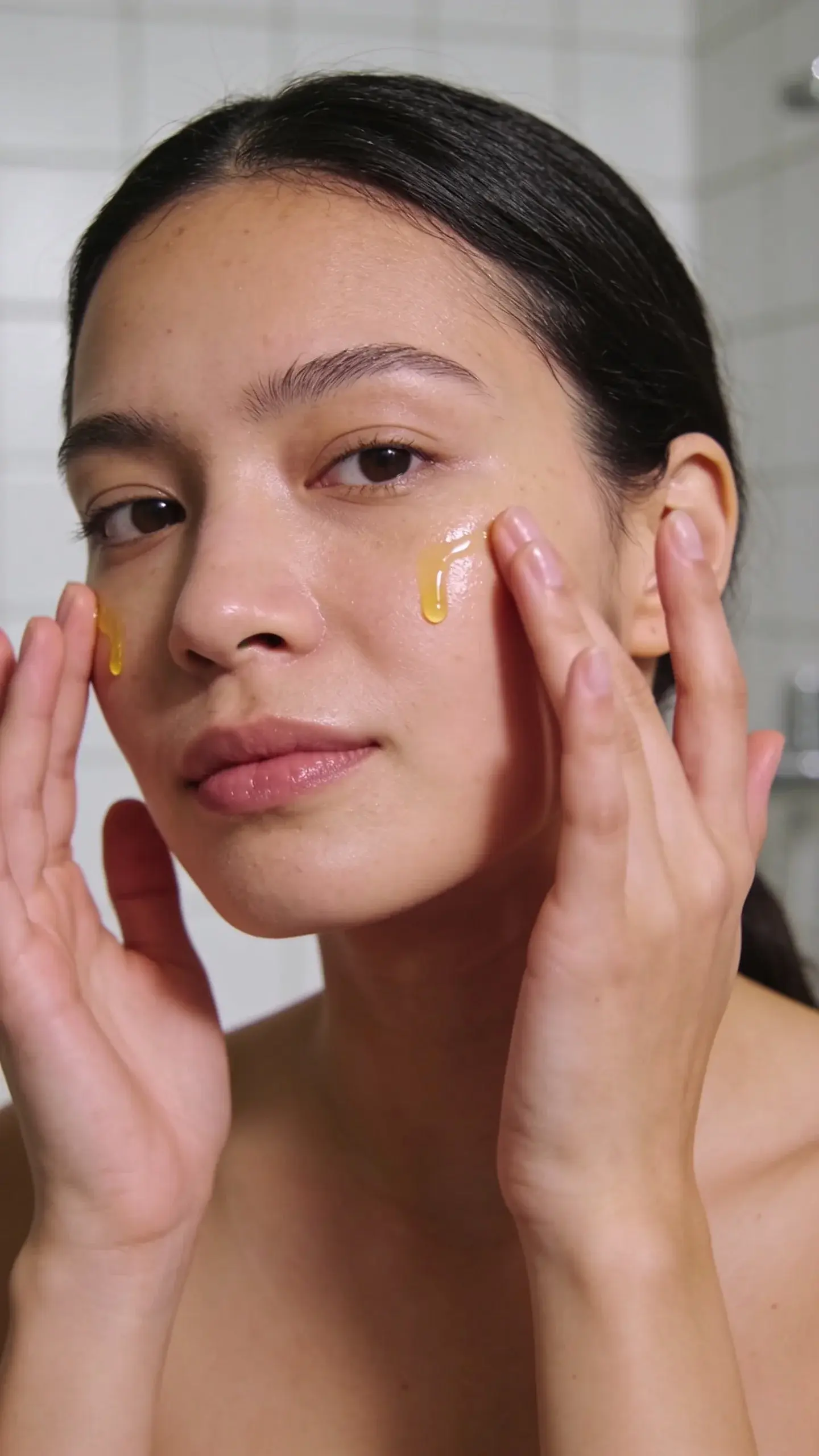
Hero ingredients:
- Ceramides + Cholesterol + Fatty Acids: Rebuild the skin barrier. Big yes.
- Glycerin: Humectant MVP. Pulls water into the skin without drama.
- Hyaluronic Acid: Works if you apply on damp skin and seal it in.
- Squalane: Lightweight oil that mimics skin’s natural lipids.
- Shea Butter and Niacinamide (2–5%): Soothing and barrier-supporting.
Ingredients to be careful with (not never, just chill):
- Alcohol-heavy toners: Instant tightness. Hard pass.
- Foaming cleansers with harsh sulfates: Strips oils you need.
- Strong acids (AHA/BHA) daily: Over-exfoliation = flaking and burning. No thanks.
- High-strength retinoids out the gate: Start low and slow (see below).
Exfoliation: The “Less Is More” Zone
Yes, you can exfoliate dry skin—gently. You want smooth, not sandblasted.
Best Options
- Lactic Acid 5–10% once weekly: Exfoliates and hydrates.
- PHA (gluconolactone, lactobionic acid): Extra gentle, great for beginners.
- Soft washcloth: Mild physical exfoliation 1–2x/week while cleansing.
What To Avoid
– Daily scrubs with nut shells or salt.
– Multiple acids layered like a skincare parfait.
– Peels when your skin already feels irritated. Obvious, but still.
Retinoids Without The Flake-Fest
Retinoids help texture and fine lines, but dry skin needs a cozy approach.
How To Start
- Choose gentler forms: Retinal or low-dose retinol (0.1–0.3%).
- Moisturize first, then retinoid, then moisturize again (the sandwich method).
- Use once weekly for 2 weeks, then twice weekly. Only increase if you feel zero dryness or stinging.
Red Flags
– Peeling, burning, or a tight-mask feeling = slow down.
– If your barrier feels fried, pause retinoids and acids for 1–2 weeks and go full-on barrier repair.
Barrier Repair: Your Emergency Toolkit
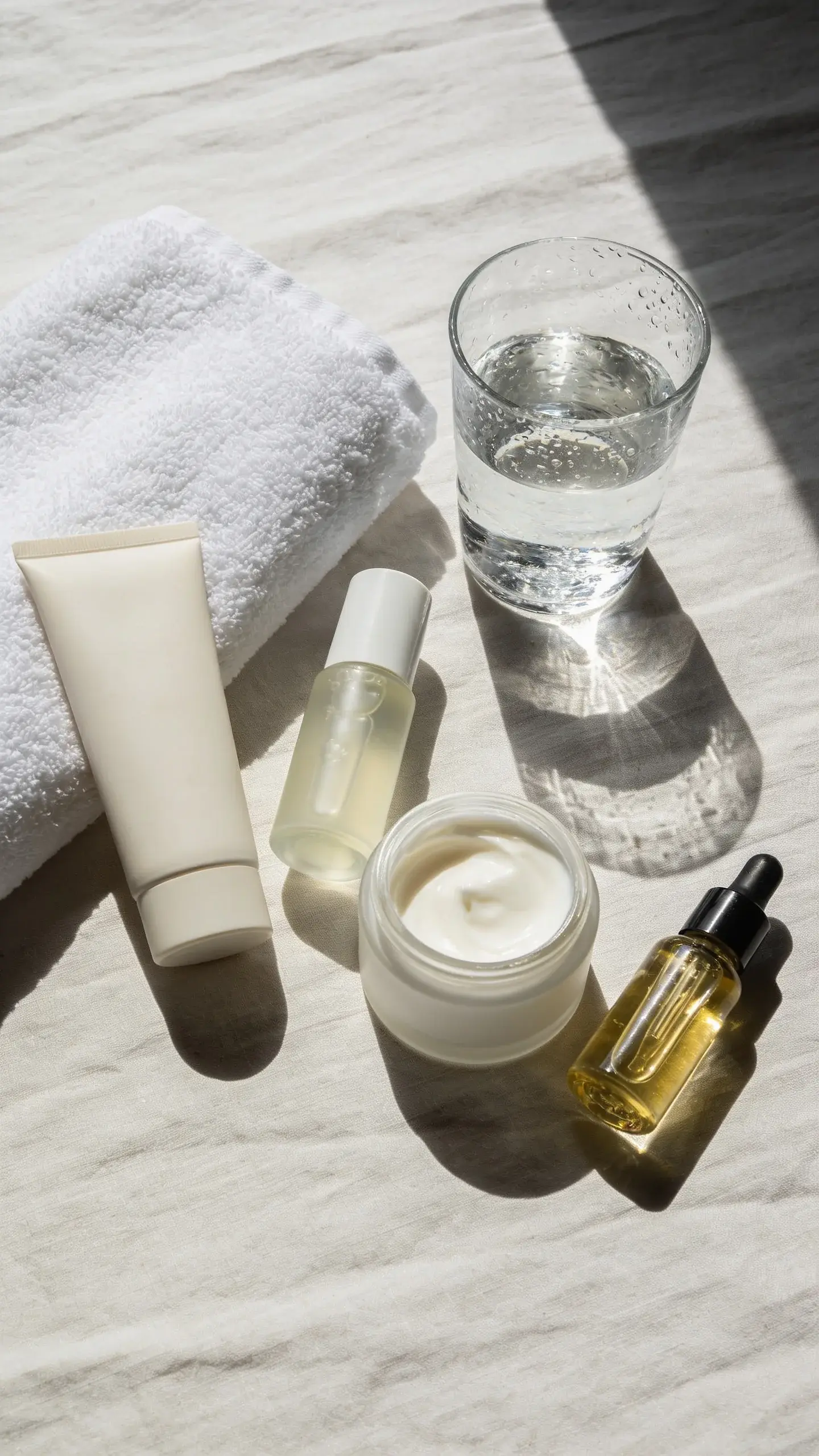
When your skin throws a tantrum, simplify and soothe.
Core Moves
- Cut everything except: gentle cleanser, bland moisturizer, SPF.
- Look for ceramides, panthenol, colloidal oatmeal, centella.
- Use an occlusive (petrolatum, lanolin, thick balm) at night over hotspots.
- Humidifier + hydration: Your skin loves 40–60% indoor humidity.
Habits That Sabotage You
– Scalding-hot showers. Cozy? Yes. Skin? Screaming.
– Over-cleansing after every tiny sweat.
– Fragrance bombs if you’re sensitive.
– DIY lemon juice masks. Please… just no.
Building A Routine That Actually Fits Your Life
Let’s keep it real: the best routine is the one you do consistently. Short, sweet, and comfy.
Starter Kit (Budget-Friendly)
- Cream Cleanser: Non-foaming, pH-balanced.
- Hydrating Serum: Glycerin + HA combo.
- Rich Moisturizer: Ceramides + cholesterol + fatty acids.
- SPF 30+: Lotion or cream with moisturizing filters.
- Optional: Petrolatum balm for slugging dry patches.
Application Tips
- Apply serums and creams on damp skin for better absorption.
- Use pea-sized amounts of actives. More product ≠ more results.
- Layer thinnest to thickest. Easy rule that saves headaches.
Lifestyle Tweaks That Help (More Than You Think)
– Hydrate: Sip water throughout the day. It won’t cure dryness solo, but dehydration shows up fast on your face.
– Omega-3s: Fatty fish, walnuts, flaxseed. Your barrier says thanks.
– Bedroom humidity: Humidifier at night = wake up less parched.
– Gentle laundry detergent + soft pillowcases: Friction and fragrance matter.
– Limit long hot showers: Lukewarm wins. Sorry, I don’t make the rules.
FAQ
Can I use face oils if I have dry skin?
Yes, but treat oils like a topper, not a standalone moisturizer. Oils (like squalane, marula, jojoba) soften and prevent water loss, but they don’t replace water or ceramides. Layer oil after your cream to lock everything in.
Do I need a toner?
Only if it hydrates. Choose alcohol-free, humectant-rich toners or essences. If your moisturizer and serum already hydrate well, a toner is optional IMO.
Why does my skin still feel tight after moisturizing?
You might miss humectants or you’re not sealing them in. Apply hydrating products on damp skin, then use a richer cream with barrier lipids. At night, add a thin occlusive layer on dry zones. Also, check your cleanser—if it squeaks, it’s too harsh.
How often should I exfoliate dry skin?
Start once weekly with lactic acid or PHA. If your skin handles it like a champ, bump to twice weekly. Any more, and you’re probably flirting with irritation. FYI, “glass skin” is not worth a broken barrier.
What sunscreen works best for dry skin?
Look for moisturizing formulas with added humectants and emollients. Cream textures beat gels for dryness. If mineral sunscreens feel chalky, try hydrating hybrid or chemical sunscreens that play nice under makeup.
Is retinol a must?
Not mandatory, but helpful for texture and long-term skin health. If you choose to use it, go low and slow, buffer with moisturizer, and prioritize barrier health first. Glowy beats flaky every time.
Conclusion
Dry skin isn’t a life sentence—it’s a maintenance plan. Keep your cleanser gentle, layer hydration on damp skin, and seal it with a rich, barrier-building cream. Exfoliate lightly, treat retinoids with respect, and cozy up to humidifiers. Do that consistently and, IMO, your face will go from “help me” to “hello, dewy.”