You’ve tried slathering on random creams, and your face still feels like a desert? Let’s fix that. We’ll cut through jargon, decode labels, and zero in on what actually hydrates. No fluff, no 30-step routines—just practical tips so your skin finally chills out.
Start With Your Skin’s “Why”
Dry skin isn’t all the same. Is your face tight after cleansing? Flaky patches around your nose? Or just dull and thirsty by mid-afternoon? Knowing your “why” helps you shop smarter.
Common Dryness Triggers
- Barrier damage: Over-exfoliating, harsh cleansers, or retinoids gone wild.
- Climate: Winter air and indoor heat suck moisture fast.
- Aging: Natural lipid and hyaluronic acid levels drop.
- Skin conditions: Eczema or rosacea can ramp up dryness and sensitivity.
Decode the Label: The “Holy Trinity” of Moisture
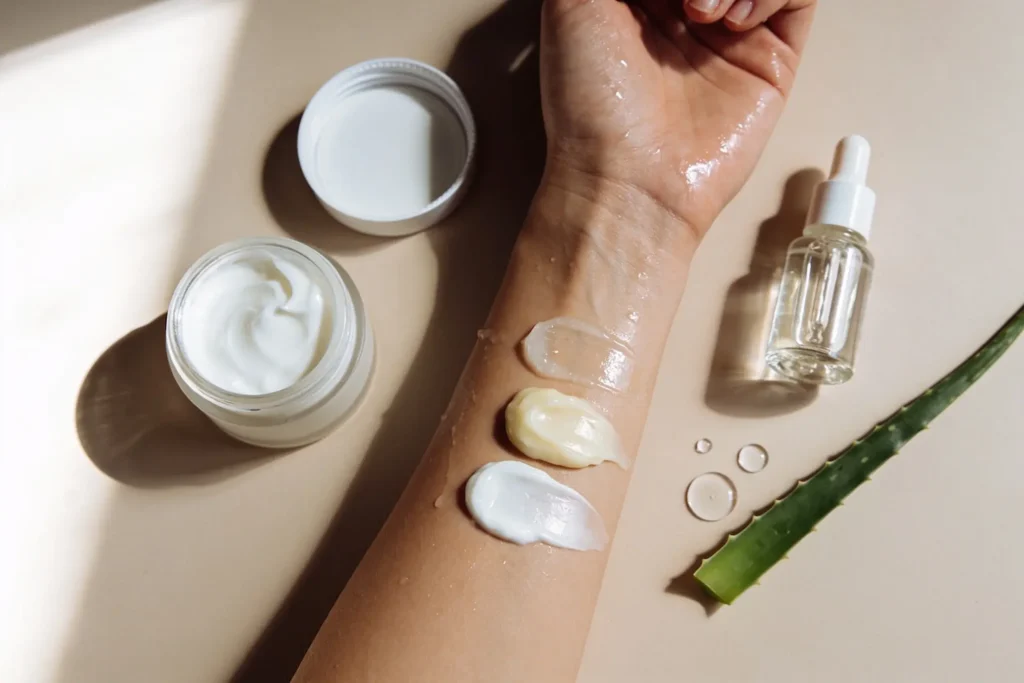
Your best moisturizer usually blends three ingredient families. Think of them as a dream team.
1) Humectants: The Thirst-Quenchers
They pull water into the skin. Look for:
- Hyaluronic Acid (or sodium hyaluronate)
- Glycerin (affordable and wildly effective)
- Panthenol (pro-vitamin B5)
- Urea (2–10% hydrates; higher can exfoliate—great for body)
- Aloe, betaine, polyglutamic acid
2) Emollients: The Smoothers
They fill in rough spots and make skin feel silky.
- Squalane (lightweight, especially great for combo-dry)
- Ceramides (ceramide NP/EOP/AP + cholesterol + fatty acids = chef’s kiss)
- Triglycerides and esters (like caprylic/capric triglyceride)
- Shea butter and jojoba oil (skin-friendly and soothing)
3) Occlusives: The Sealers
They lock hydration in. Use more when air is dry or at night.
- Petrolatum (aka Vaseline—top-tier occlusive, non-comedogenic, not fancy but powerful)
- Dimethicone (silky, great under makeup)
- Beeswax or lanolin (lanolin is a GOAT for very dry, non-allergic folks)
Quick rule: Humectant + emollient + a touch of occlusive = long-lasting comfort.
Choose the Right Texture For Your Dryness Type
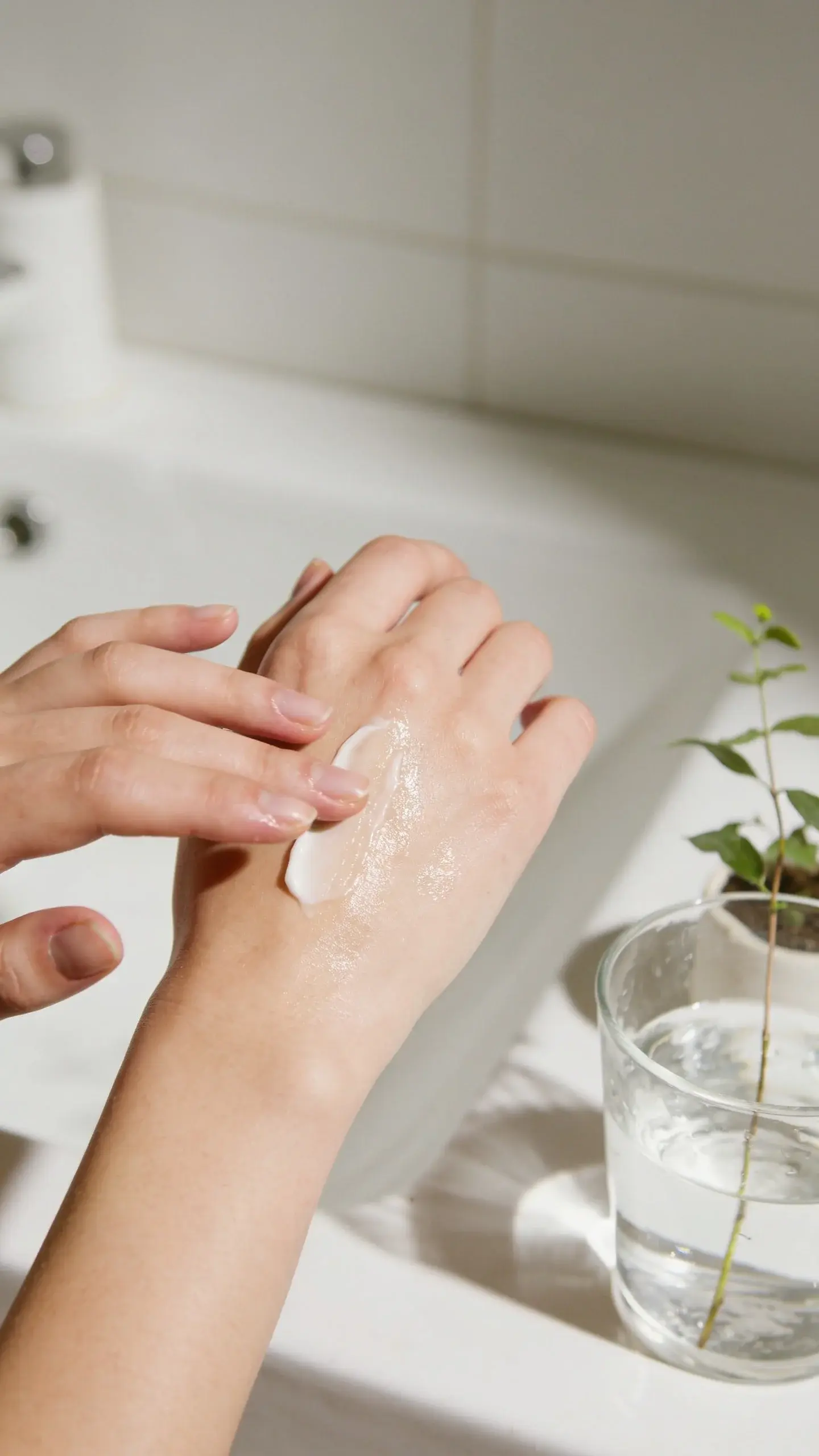
Not all dry skin needs a heavy cream 24/7. Texture matters more than the influencer says (IMO).
- Dehydrated but oily T-zone: Go for a gel-cream with glycerin, HA, and squalane. Add a thin occlusive at night only.
- Moderately dry, tight after cleansing: Use a cream with ceramides, cholesterol, and shea. Dimethicone helps smooth makeup.
- Very dry, flaky, itchy: Choose a rich balm or ointment with petrolatum/lanolin + ceramides. Patch test first.
- Red, sensitive, or eczema-prone: Look for fragrance-free, low essential oils, and barrier-focused formulas (ceramides + cholesterol + fatty acids).
Check the Fine Print: What To Avoid (Sometimes)
No need to fear-monger, but certain things can mess with parched skin.
- High alcohol denat near the top of the list? It can feel light but may sting and dry out.
- Strong fragrance or essential oils (like lavender, citrus) can irritate compromised barriers.
- Too many actives in your moisturizer (strong acids/retinoids) can overwhelm. Keep actives in separate steps for control.
- Harsh foaming cleansers upstream will sabotage any moisturizer. Fix your cleanser first, FYI.
Smart Routine Pairings That Supercharge Moisture
You can buy the fanciest cream and still feel dry if your routine fights it. Let’s sync things up.
Before Moisturizer: Set the Stage
- Use a gentle, low-pH cleanser. Skin shouldn’t feel squeaky.
- Apply on damp skin. Humectants grab that water like a magnet.
- Layer a hydrating serum. Glycerin/HA serums under cream give a big boost.
After Moisturizer: Lock It In
- Spot-occlude flaky zones with a thin layer of petrolatum or balm at night.
- Use SPF 30+ daily. UV damage wrecks your barrier and your glow.
Ingredients Worth Hunting Down
When you browse shelves, these earn their keep.
- Ceramides + Cholesterol + Fatty Acids: Barrier repair A-team. Look for all three together.
- Niacinamide (2–5%): Calms redness, improves barrier function, plays nice with most skin.
- Colloidal Oatmeal: Soothes itch and irritation—clutch for winter or eczema-prone skin.
- Squalane: Lightweight emollient that feels luxe without grease.
- Urea (5–10%): Hydrates and softens rough patches, especially on body. Avoid open cracks.
- Panthenol: Comforts stressed skin and adds bounce.
How To Test Without Wasting Money
You don’t need a drawer of regrets. Test like a pro.
- Patch test first. Dab behind the ear or on the jawline for 2–3 days.
- Try minis or travel sizes. Or ask for samples in-store. Brands expect it.
- Give it two weeks. Skin needs time to rebalance. Unless you’re stinging—then bail immediately.
- Track your skin. Tightness? Flakes? Makeup pilling? Adjust texture or occlusive level accordingly.
Budget vs. Bougie: What Actually Matters
Here’s the tea: your skin doesn’t care about a frosted jar. It cares about ingredients and texture.
- Drugstore wins: Ceramide creams, glycerin-heavy lotions, petrolatum balms. Affordable and effective.
- Splurge smartly: If you pay more, get a formula with advanced lipids, multiple ceramides, or soothing complexes that you can’t easily dupe.
- Packaging matters: Airless pumps protect sensitive ingredients better than open jars (IMO).
FAQs
Do I need a different day and night moisturizer?
You can use one for both, but many people prefer a lighter cream under makeup and a richer one at night. Add a thin occlusive layer at bedtime if you wake up tight. If your skin feels comfy all day with one formula, congrats—you win.
Is petrolatum safe for acne-prone dry skin?
Yes. Petrolatum is non-comedogenic and excellent at sealing moisture. If you’re breakout-prone, apply a light layer only on dry patches or over a gel-cream. Watch how your skin responds for a week.
What’s better: hyaluronic acid or glycerin?
Both hydrate well, but glycerin works across humidity levels and costs less. Hyaluronic acid feels plush, but in super-dry air it performs best when you apply on damp skin and seal with an emollient. Honestly, a combo shines.
How do I fix flakes under makeup?
Exfoliate gently 1–2 times a week with lactic acid or a soft enzyme, then use a ceramide-rich cream and a silicone-based primer. Press, don’t rub, foundation. A tiny dab of balm on stubborn flakes can save the day.
Can I use face oils instead of moisturizer?
Oils soften skin, but they don’t pull in water or replace ceramides. Pair oils with a humectant-heavy layer underneath, or mix a drop into your cream. If you only use oil, dryness often returns by noon—rude, but true.
Why does my moisturizer sting?
Your barrier might be compromised, or the product has fragrance or high alcohol. Switch to a fragrance-free, ceramide-rich formula and pause strong actives for a week. If stinging persists, see a derm to rule out dermatitis.
Conclusion: Your Perfect Moisturizer = Formula + Texture + Routine
Choosing the best moisturizer for dry skin isn’t a guessing game. Aim for a blend of humectants to hydrate, emollients to smooth, and occlusives to seal—then match the texture to your dryness level. Layer smart, keep fragrance low, and let your skin vote with how it feels. Do that, and dry, tight days become a distant memory—finally.