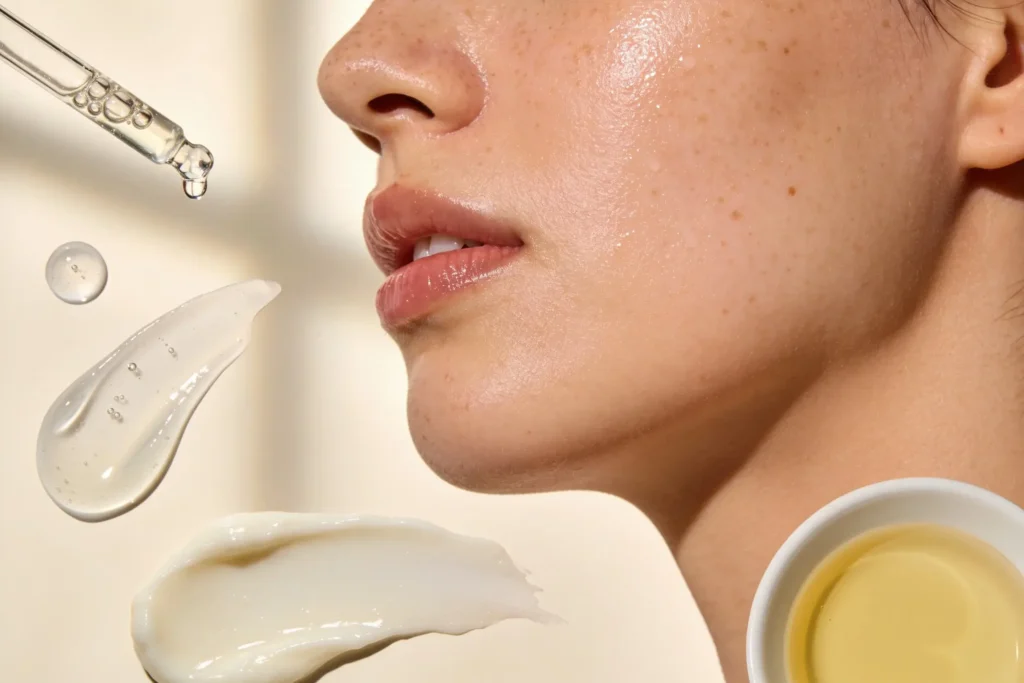
You want that dewy, bouncy, not-a-crumb-of-flake glow, right? Dry skin can feel tight, itchy, and dull, and your makeup can look like it’s filing for divorce by noon. The fix? Smart ingredients in the right order—no 20-step routine required. Let’s break down what actually keeps moisture in your skin, for real, for hours.
Why Dry Skin Acts So Thirsty
Dry skin lacks both water and oil. That double whammy leads to rough texture, redness, and fine lines that pop more than popcorn. The goal is twofold: pull water into the skin and seal it in with lipids. Miss either step and you’ll hydrate, then evaporate.
The Hydration Trio: Humectants, Emollients, Occlusives
- Humectants attract water into the skin (hello, plumpness).
- Emollients smooth the skin and fill in cracks (hello, soft cheeks).
- Occlusives create a barrier to prevent water loss (hello, lasting glow).
Hero Humectants That Actually Quench
You want ingredients that bind water like it’s their job—because it is.
- Hyaluronic Acid (HA): Lightweight, layers well, and gives instant plump. Look for multiple molecular weights for both surface and deeper hydration.
- Glycerin: The underrated MVP. It’s affordable, effective, and plays nice with everything. Great in toners and serums.
- Panthenol (Vitamin B5): Soothes, hydrates, and supports barrier repair. Perfect if your skin throws tantrums.
- Aloe Vera: Calming and hydrating, especially in gels and mists. Great for irritated dryness.
- Polyglutamic Acid: A newer humectant that sits more on the surface to boost smoothness—IMO, great under makeup.
Pro Tip: Humectants Need Water
Apply your humectant serum on damp skin, then seal with a cream. Otherwise, they can pull water from deeper layers and leave you drier. Rude, but true.
Barrier-Builders: Emollients That Repair And Soothe
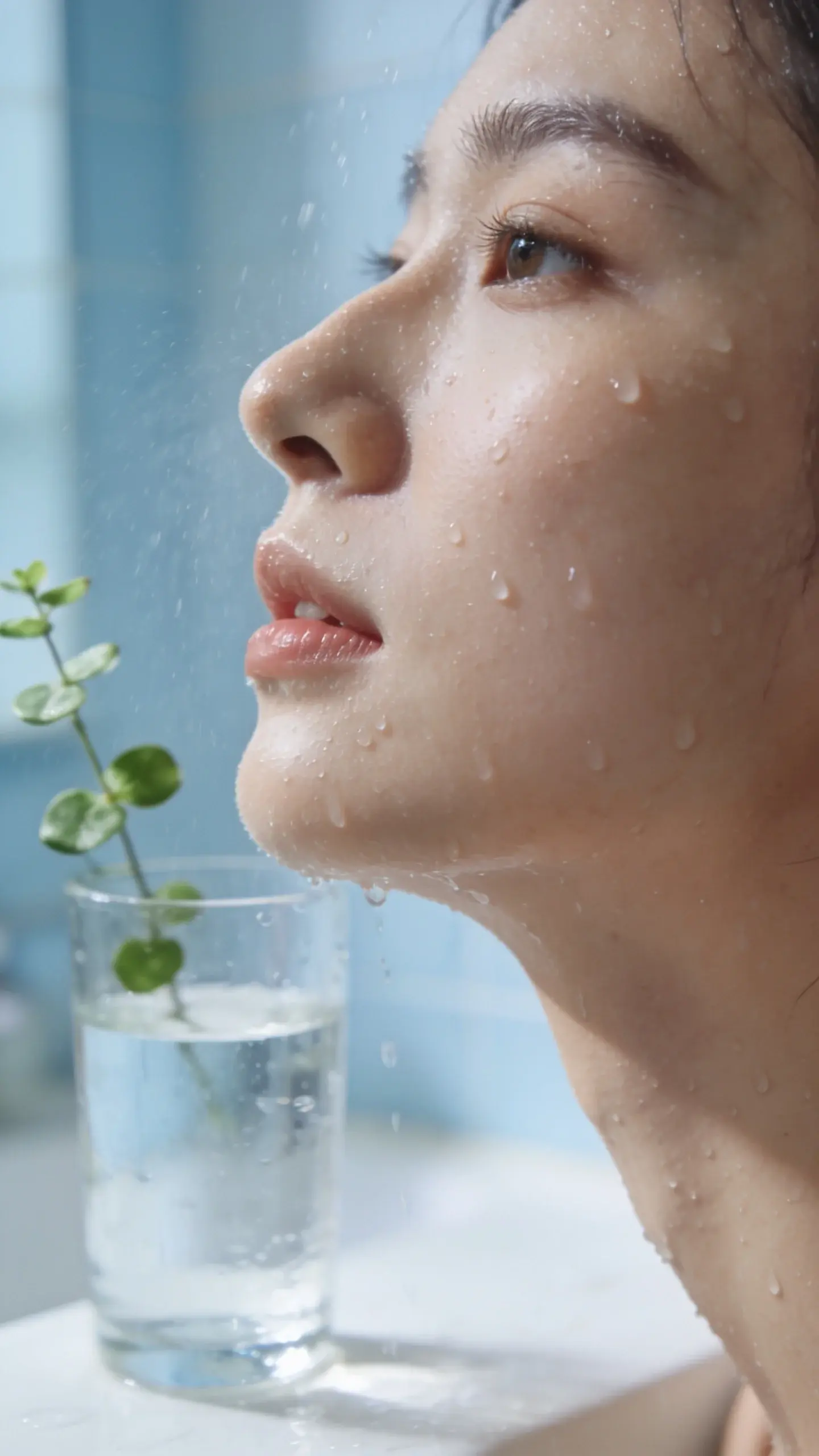
Think of emollients as filling the cracks in a dry sidewalk. Your skin looks smoother immediately and gets stronger over time.
- Ceramides: The gold standard. They restore your skin’s natural barrier so hydration lasts.
- Squalane: Lightweight oil that mimics skin’s own lipids. Non-greasy and fast-absorbing.
- Fatty Acids (Linoleic, Oleic): Nourish the barrier and reduce flakiness. Look for oils rich in linoleic acid if you’re acne-prone.
- Cholesterol: Works with ceramides for next-level barrier repair. Dream team.
- Shea Butter: Thick, comforting, and great for night. If you love a cushiony feel, this delivers.
Ceramide Cocktail
When you see ceramides + cholesterol + fatty acids together, that’s a chef’s kiss formula for dry skin. It mirrors your skin’s natural composition.
Seal The Deal: Occlusives For Locking In Moisture
If your hydration disappears by lunchtime, you need an occlusive.
- Petrolatum: Ultra-occlusive and clinically proven to reduce water loss. Even a pea-size over moisturizer works wonders.
- Lanolin: Great for very dry patches, lips, and cuticles. Not for everyone, but extremely effective.
- Beeswax: Adds a breathable seal in balms and creams.
- Mineral Oil: Simple and safe, despite internet myths. Locks in moisture like a pro.
Slugging, But Make It Smart
At night, apply a thin layer of petrolatum only over well-hydrated, well-moisturized skin. Target cheeks and forehead if you’re combo. Skip the T-zone if it breaks out easily. FYI, you don’t need to look glazed like a donut to benefit.
Actives That Hydrate Without Drama
Dry skin can still use actives—you just need the gentle, hydrating ones.
- Niacinamide (2-5%): Boosts barrier function and reduces redness. Pairs beautifully with ceramides.
- Lactic Acid (Low %): Exfoliates and hydrates at the same time. Start 1-5% a few nights a week.
- PHA (Gluconolactone, Lactobionic Acid): Even gentler than AHAs and humectant-friendly.
- Azelaic Acid (10-15%): Calms redness and smooths texture without wrecking your barrier.
About Retinoids On Dry Skin
Use a buffer method: moisturizer, then retinoid, then a thin occlusive. Start 1-2 nights a week. Choose retinal or granactive retinoid if tretinoin feels too spicy.
How To Build A No-Fuss, Hydrating Routine
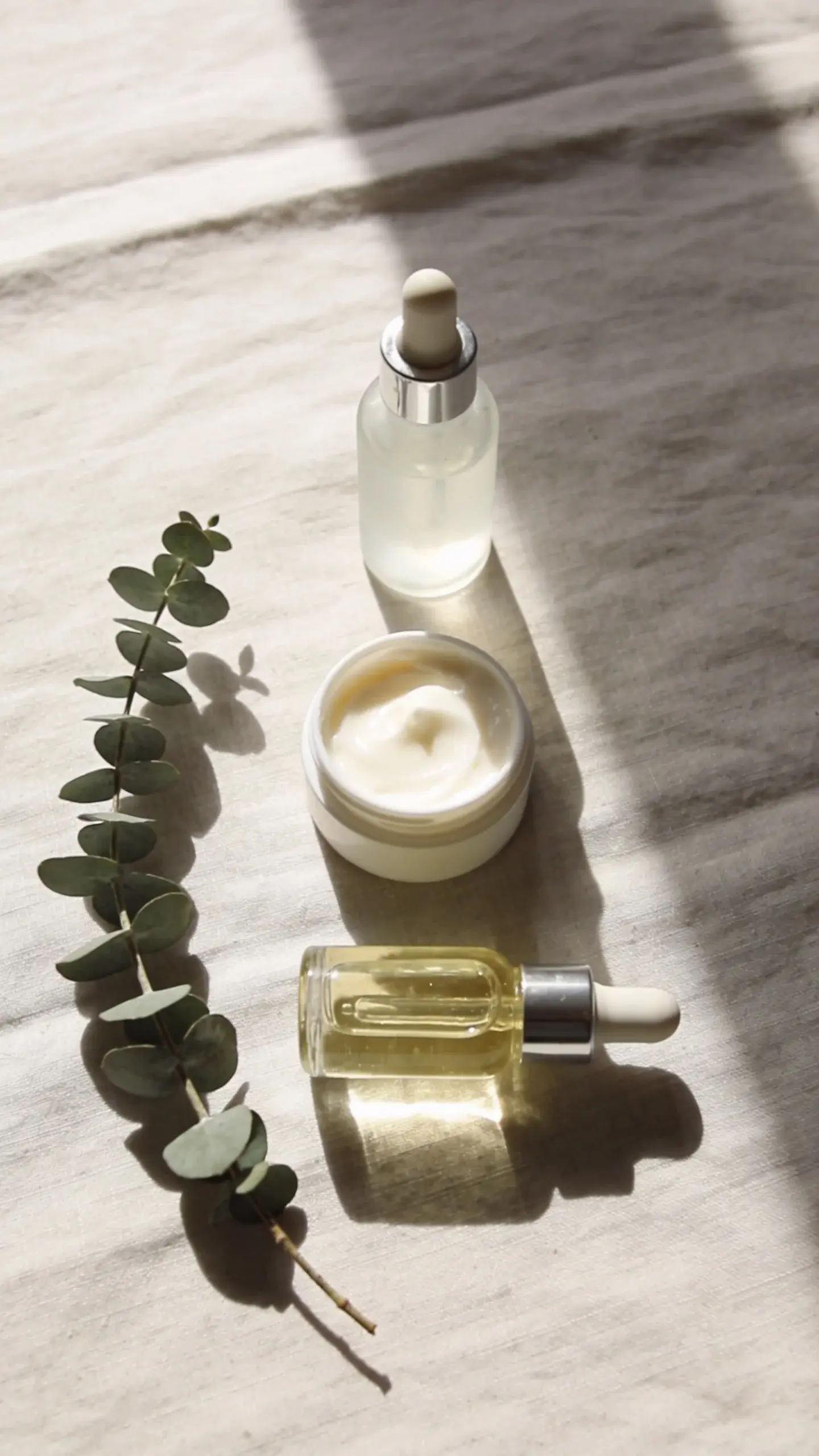
Short, sweet, and effective. Here’s a simple blueprint.
Morning
- Gentle Cleanser (or just rinse if skin isn’t dirty): Cream or milk cleanser beats foaming options.
- Hydrating Serum: Glycerin + HA + panthenol blends are ideal.
- Ceramide Cream: Emollient-rich moisturizer to seal hydration.
- SPF 30+: Look for hydrating filters and added moisturizers. Mineral or hybrid if sensitive.
Night
- Cream Cleanser: Remove sunscreen and makeup without stripping.
- Optional Exfoliation 1-2x/Week: Low-strength lactic acid or PHA.
- Niacinamide or Soothing Serum: Keep it barrier-friendly.
- Rich Moisturizer: Ceramides + cholesterol + fatty acids = chef’s kiss.
- Targeted Occlusive: Dab petrolatum on dry zones. Done.
Winter SOS Upgrades
- Add a hydrating essence between serum and cream.
- Use a humidifier at night to help humectants shine.
- Swap to a balm-texture moisturizer when the wind gets rude.
Ingredients To Avoid Or Use Carefully
Not all “fresh and clean” equals friendly to dry skin.
- High-Alcohol Toners: They evaporate fast and take your moisture with them.
- Harsh Sulfate Cleansers: Look for “sulfate-free” or gentle surfactants.
- Strong Fragrance: If you’re sensitive, pick fragrance-free or essential-oil-free formulas.
- Over-Exfoliation: More is not more. Flakes from barrier damage aren’t “refreshing,” they’re a cry for help.
Ingredient Spotlights You’ll Love
Urea (2-10%)
Hydrates like a humectant and gently exfoliates—ideal for rough patches and body care.
Beta-Glucan
Soothing, plumping, and fantastic post-acid or retinoid. It’s like a hug for your skin barrier.
Centella Asiatica
Calms redness and supports repair. If your skin freaks out every time the weather changes, this helps.
Oat Extract/Colloidal Oatmeal
Anti-itch and barrier-supportive. Great for sensitive, dry, or eczema-prone skin (not medical treatment, but a nice assist).
FAQs
Do I need both a serum and a moisturizer for dry skin?
Short answer: usually, yes. Serums bring water in (humectants), and moisturizers bring lipids to seal it. If you skip one, your results won’t last. Think peanut butter and jelly—both taste fine solo, but together they’re iconic.
What’s the difference between dehydrated and dry skin?
Dry skin lacks oil; dehydrated skin lacks water. You can have both. Add humectants for dehydration and emollients/occlusives for dryness. If you get oily yet feel tight, you’re probably dehydrated.
Can I use oils instead of moisturizer?
Oils help, but they don’t replace everything. They’re mostly emollient/occlusive, not humectant. Layer an oil over a hydrating serum or cream to lock water in. Using oil alone can leave skin soft but still thirsty.
How often should I exfoliate dry skin?
1-2 times a week with lactic acid or PHA works for most people. If you see redness or stinging, scale back. Your skin should look smoother and happier, not mad.
Is petrolatum safe for acne-prone dry skin?
Yes. Petrolatum is non-comedogenic. Apply it thinly over a light moisturizer and avoid piling on heavy layers under it. Patch-test, as always.
What SPF works best for dry skin?
Pick a hydrating sunscreen with added emollients—look for squalane, glycerin, and HA. Cream formulas beat gels for dryness. And no, SPF doesn’t replace moisturizer (IMO).
Conclusion
Dry skin wants two things: water in and water locked down. Load up on humectants like glycerin and HA, repair your barrier with ceramides and squalane, then seal with an occlusive when you need staying power. Keep exfoliation gentle, keep cleansers creamy, and let SPF pull double-duty with hydration. Do that, and your skin goes from flaky to dewy—no 12-step saga required.